
Last updated November 15, 2026
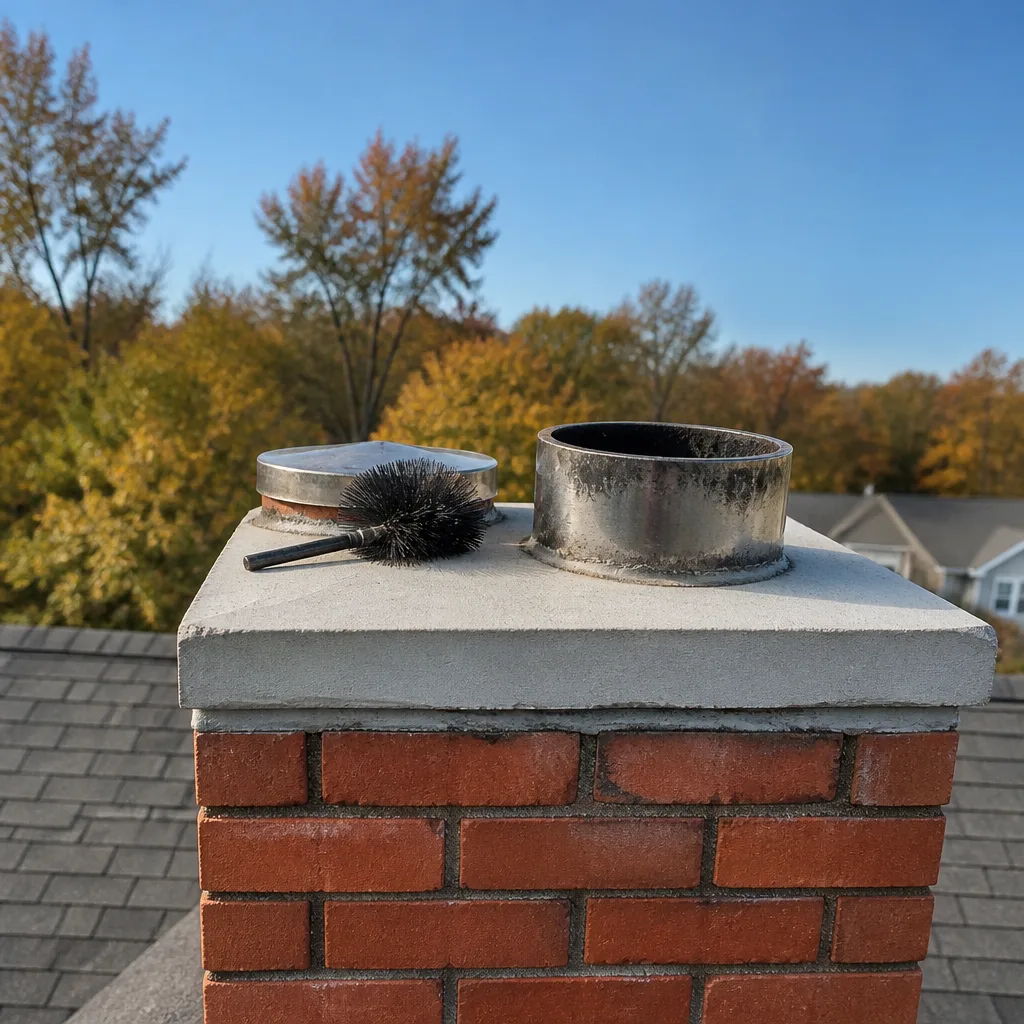 Sweep & inspection
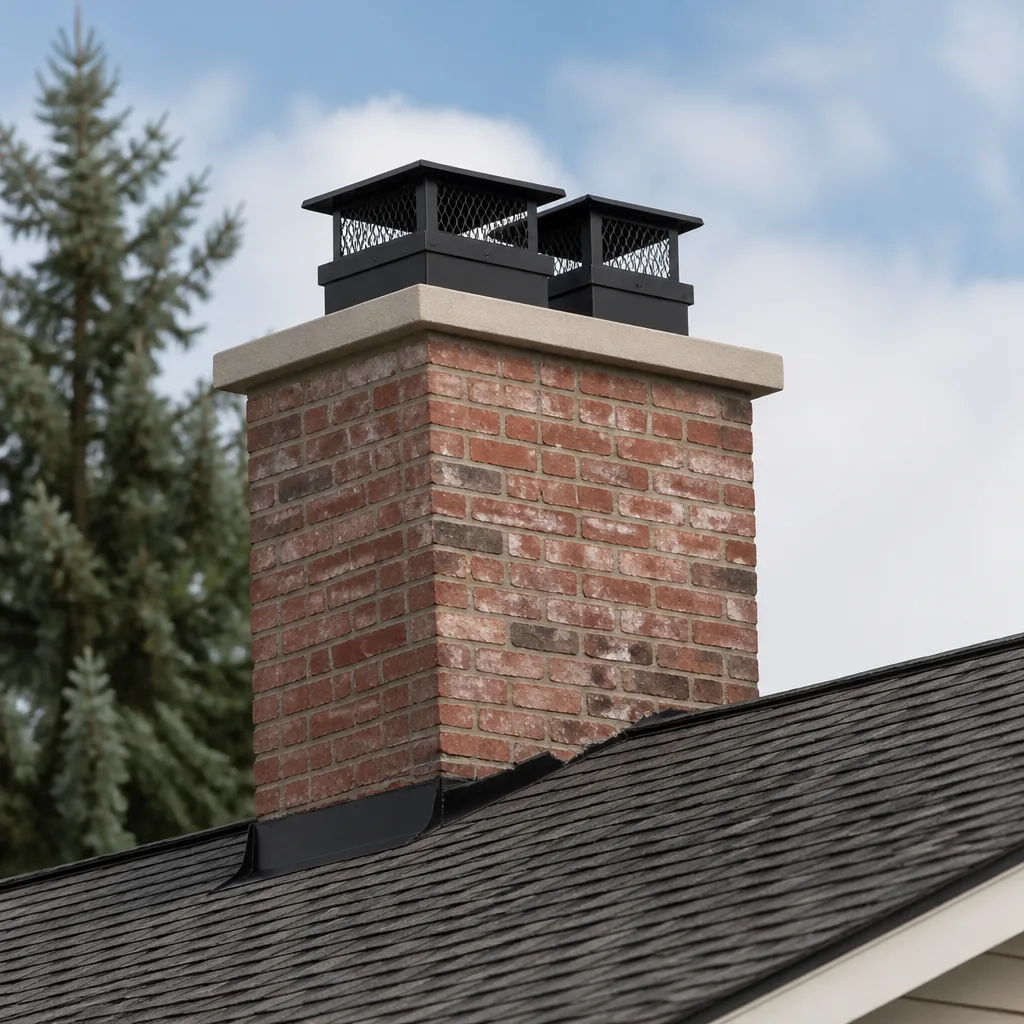 Caps & crowns
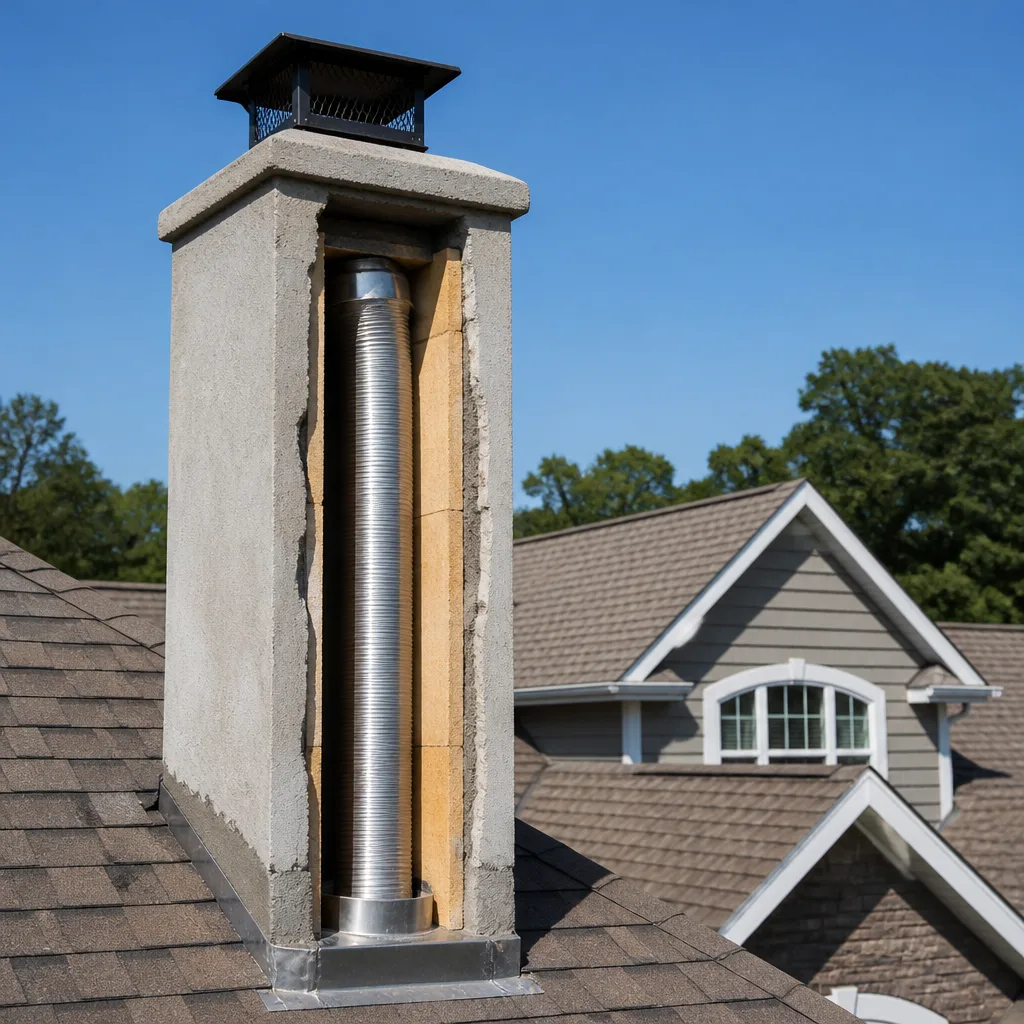 Flue relining
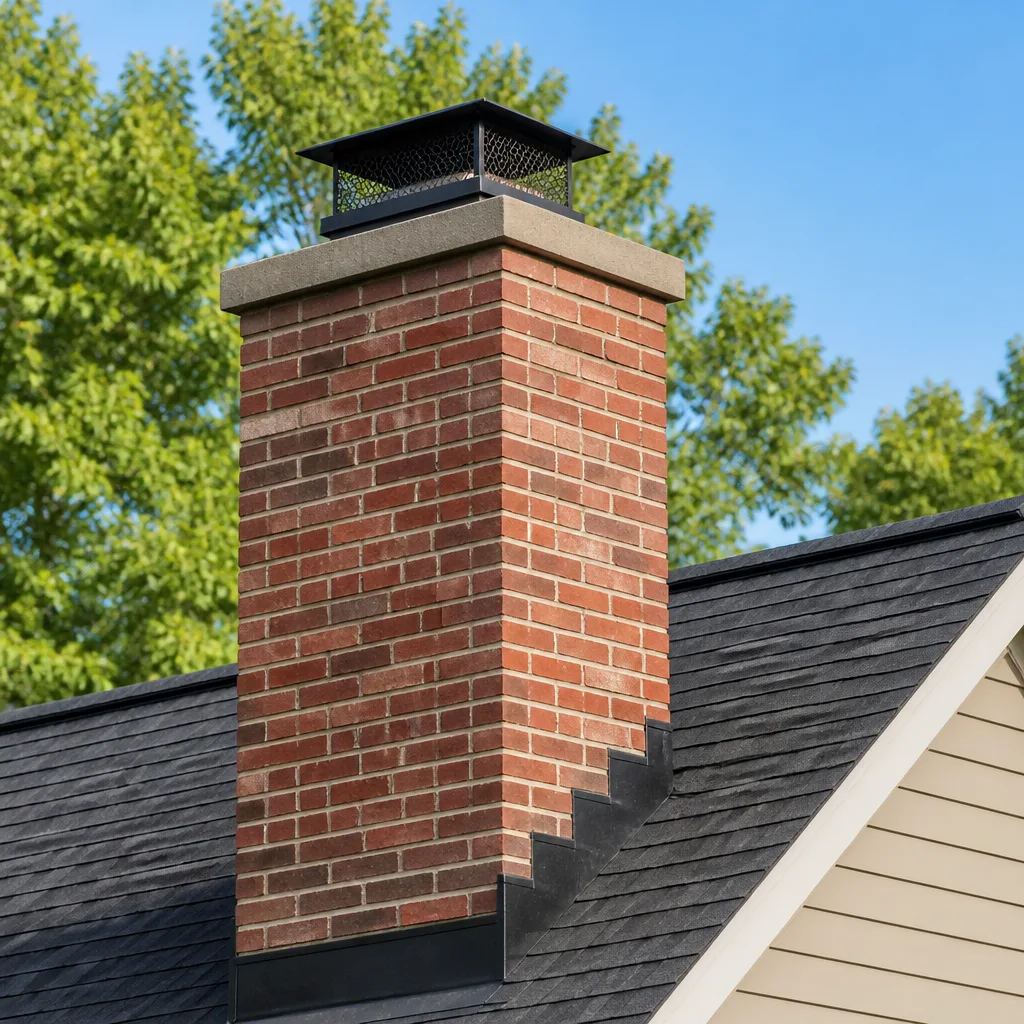 Masonry repair
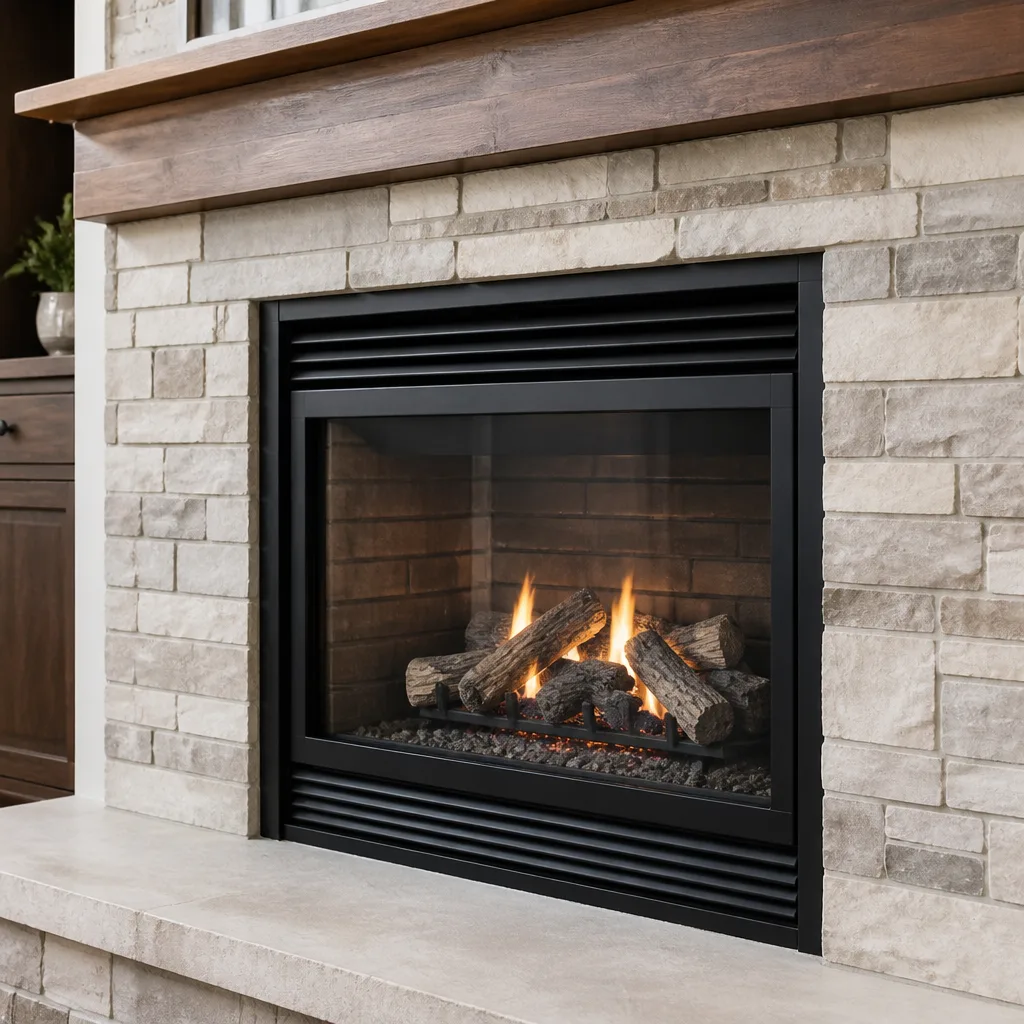 Gas fireplace service
Level 1 sweep and inspection to the NFPA 211 annual standard - flue, crown, cap, and flashing checked and photographed
Chimney sweep logs do not sweep chimneys. They loosen some creosote - which then falls where a brush and vacuum still have to collect it.
Chimney Cleaning Warning Signs: A Pearland Homeowner’s Reference Guide
A white stain on your chimney exterior and a smoky smell in your living room both tell you something is wrong, but they don’t tell you the same kind of wrong. One is usually a slow moisture problem working on the brick from the outside in. The other can be a combustion hazard that needs attention before the next fire. Treating every sign with the same urgency is how homeowners end up paying for unnecessary repairs, or worse, ignoring the one that actually matters. This guide sorts the warning signs a Pearland chimney throws at you by what they mean, how the mechanism behind each one works, and whether you should shut the fireplace down tonight, book a visit within the month, or just make a note for the next annual sweep.
Quick Answer
The warning signs that call for an immediate shutdown are a strong creosote smell indoors, smoke rolling back into the room during a fire, visible cracks in the firebox or flue tile, and any sign of a chimney fire. White staining, minor spalling, and light creosote buildup are slower problems that can be scheduled. In Pearland’s humid climate, moisture-driven symptoms show up faster than most homeowners expect, which is why a camera inspection beats guessing from the ground.
Styles & brands we work with
- Sweep & inspection
- Caps & crowns
- Flue relining
- Masonry repair
- Gas fireplace service
Table of Contents
- Sorting the Signs by Urgency
- What Pearland’s Climate Does to a Chimney
- Creosote Smell vs. Mold Smell in the Flue
- Draft Problems and Smoke Behavior: Blockage vs. Air Pressure
- What You Can See From the Ground vs. What Needs a Camera
- Why Inspection Comes First
- How Often a Pearland Chimney Needs Sweeping
Sorting the Signs by Urgency
The mechanism behind most chimney problems is the same: creosote and moisture accumulate where heat and airflow should be moving freely. What differs is how far along the accumulation has gone. That’s why the first useful step is to sort the symptom, not to panic over all of them equally. Here are the three tiers we use when we walk a homeowner through what they’re seeing.
Tier 1: Shut the fireplace down until it’s inspected
- Smoke rolling back into the room during a fire. This is a draft problem that can be a blocked flue, and no fire should be lit until the cause is found.
- A sharp, acrid creosote smell inside the house. This can mean a heavy creosote layer in the flue, and heavy creosote is what feeds a chimney fire.
- Cracks in the firebox, flue tile, or the masonry above the firebox. A cracked flue lets heat and gases reach framing that was never meant to take it.
- A “puffing” or roaring sound from the chimney while a fire is burning. That’s a sign of a chimney fire in progress. Close the damper, get everyone out, and call the fire department.
- Any carbon monoxide detector alarm while the fireplace is in use. Treat it as real. Vent the house and stop using the fireplace.
Tier 2: Schedule a visit within the month
- White staining on the exterior brick (efflorescence).
- Creosote flakes or soot visible at the top of the firebox.
- Smoke smell lingering in the room well after the fire has burned down.
- Small chips or flaking on the chimney’s brick face, which points to moisture getting in.
- A damper that sticks or won’t close fully.
Tier 3: Note it and bring it up at the annual sweep
- Light dust on the firebox walls after a season of use.
- A very faint smoke smell that only appears on damp days.
- Small hairline cracks in the firebrick of the firebox floor, which are common and usually cosmetic.
Sorting by tier matters because the wrong response is expensive in both directions. Waiting on a blocked flue is a real hazard. Rushing to replace a liner over a white stain that could be addressed by fixing the crown is money spent for nothing.
What Pearland’s Climate Does to a Chimney
Pearland’s humidity is the single biggest driver of chimney problems here, and the symptoms that come with it are ones homeowners in dry climates rarely see. The mechanism is simple. Masonry is porous, and humid air moves through brick and mortar the way it moves through a sponge. When that moisture pushes its way back out through the chimney’s exterior surface, it carries dissolved salts with it. Those salts dry on the brick as a white powder. That’s efflorescence.
Efflorescence and spalling: two stages of the same problem
Efflorescence on its own is cosmetic. It tells you moisture is moving through the masonry, but the brick is still intact. Spalling is the next stage. When the trapped moisture can’t escape fast enough, it pushes outward and pops the face off the brick. Once brick starts spalling, the damage is not reversible with a cleaning. The moisture source has to be found, usually a failed crown, a cracked mortar joint, or a missing rain cap, and fixed before more brick goes.
Liner condensation
Here in Pearland, a chimney liner can stay cool and damp for weeks between fires. The condensation that forms on the inside face of a clay tile flue or a metal liner mixes with the sulfur compounds left over from previous fires and turns mildly acidic. Over many seasons, that acid works on the mortar joints between flue tiles. Left unchecked, the joints crumble and the liner stops doing its job. A stainless liner from a brand like DuraFlex or a restored flue from HeatShield is what we reach for when the mortar joints between tiles are failing but the surrounding structure is sound. The humidity that drives this is also why we recommend a chimney cap: it keeps rain out, which is half the battle.
Creosote Smell vs. Mold Smell in the Flue
Two smells that homeowners describe as “smoky” or “musty” get lumped together, and they shouldn’t be. Creosote and mold have different causes, different fixes, and very different urgency. Getting the right diagnosis on the first visit is the whole point of the inspection-first approach.
What creosote smells like
Creosote is a tar. When a flue has a heavy layer of it, the smell is sharp and acrid, closer to a freshly paved road or a wood-fired restaurant than to a musty closet. It’s strongest on warm, humid days when the flue is not drafting, and it can be noticeable the moment you walk into the room. The mechanism: creosote forms when smoke cools before it exits the flue, so any fire that burns slowly or a flue that runs cold leaves a deposit behind. That deposit is what fuels a chimney fire, which is why a creosote smell puts you in Tier 1. A proper chimney sweep removes it, but only after we know how thick the layer is and what stage it’s at.
What mold smells like
Mold in a flue smells damp and earthy, like a basement that’s been closed up. It shows up when a chimney has been sitting unused through a humid Pearland summer. The mechanism is condensation, not combustion: a cool flue plus humid air plus no airflow equals a wet, dark environment that mold loves. A mold smell is a moisture problem, not a combustion problem. It usually calls for a sweep, an inspection for the moisture source, and sometimes a cap or crown repair.
Why the two get misdiagnosed
A homeowner who smells something and assumes creosote may overpay for a sweep they didn’t need. A homeowner who assumes mold may miss a creosote layer that’s one fire away from igniting. The distinction is one reason we use a camera on every inspection. The camera doesn’t have a nose, but it sees exactly what’s on the flue walls.
Draft Problems and Smoke Behavior: Blockage vs. Air Pressure
Smoke that doesn’t go up the chimney is one of the most misread signs in a home. Two very different mechanisms produce the same symptom, and they need different responses. Telling them apart from your living room is possible if you know what to look for.
Structural blockage: the smoke has nowhere to go
A blockage happens when the flue is physically stopped up. Common causes: a bird or squirrel nest, a collapsed flue tile, a fallen cap, heavy creosote buildup near the top. The signs of a true blockage:
- The fireplace smoked on the first fire of the season and has smoked on every fire since.
- Smoke comes back into the room consistently, not just on certain days.
- You can see soot streaks above the fireplace opening, especially near the top of the firebox.
- The fire burns poorly even with dry, well-seasoned wood and the damper wide open.
Negative air pressure: the smoke is fighting the house
Air pressure issues happen when the house is pulling air down the chimney instead of letting it rise out. The signs:
- The fireplace smokes only on certain days, often when it’s windy or when the kitchen exhaust fan is running.
- Smoke rolls back briefly at startup and then settles once the fire is established.
- Other vents in the house (bathroom fans, dryer) seem to make it worse.
- The house is tight and well-sealed, with new windows or spray-foam insulation.
The practical difference
A blockage is a structural failure that stops airflow. Negative pressure is an airflow problem with a structurally fine flue. The first needs a sweep, a repair, or both. The second often needs a modest fix, like opening a window a crack during startup, or adding a cap that improves draft. Clean-outs and caps matter here. Confusing the two leads to the wrong fix, and that’s the kind of misdiagnosis we see most often in Pearland homes built in the last decade.
What You Can See From the Ground vs. What Needs a Camera
Every homeowner deserves to know which checks they can do themselves and which ones require a trained eye. The split is roughly between what’s visible on the outside and what’s happening inside the flue.
Good self-checks from the ground
- Look at the brick face for white powder (efflorescence), flaking (spalling), or loose mortar joints.
- Look at the crown (the sloped concrete top of the chimney). Cracks here are the #1 source of moisture in Pearland.
- Look at the cap and spark arrestor to confirm it’s still attached and clear.
- Smell near the fireplace after a humid day. A sharp tar smell is worth flagging.
- Watch the fire as it starts. If smoke rolls back only at startup and then settles, you’re probably looking at an air pressure issue.
What requires a technician with a camera
- The inside face of the flue liner. You cannot see this from the ground or the firebox.
- Mortar joints between flue tiles. These are where acidic condensation does its quiet damage.
- The smoke shelf and smoke chamber. Both are behind the damper and invisible without a camera.
- The top of the flue, from inside. Caps can look fine from the ground and be missing three tiles down.
- Whether that white stain is cosmetic or the early stage of spalling. A photo report settles it.
Why we include a camera inspection and photo report with every sweep
A chimney sweep without a camera is a guess about what’s inside. We inspect first, then recommend. If we suggest a chimney repair or a liner restoration, you get pictures of exactly what we’re looking at and a plain-language explanation of what stage it’s in. If the work can safely wait, we tell you that too. Nothing gets recommended without camera evidence you can see yourself.
Why Inspection Comes First
Inspection-first is not a slogan. It’s what keeps a sweep from turning into a sales pitch. The logic goes like this: a chart of warning signs only narrows down what’s likely. The camera and a physical inspection confirm what’s actually there. Those are two different things, and only one of them should drive the invoice.
What a real inspection covers
- Exterior. Brick, mortar, crown, cap, flashing against the roofline.
- Firebox and damper. Condition of the firebrick, the damper operation, the smoke shelf.
- Flue interior by camera. Every tile joint and the full run of the flue.
- Chimney top. Cap, spark arrestor, flue crown, the top course of brick.
- Photo report. A written document with images, useful for insurance, a real estate transaction, or just knowing where you stand.
Why single-source accountability matters
Homeowners who call a sweep-only company often hear “we can’t repair that, you’ll need to call a mason.” Then the mason says the liner needs replacing, and the liner guy wants to sell you a full re-line because he doesn’t do restoration. Splitting the work across three contractors is how a small moisture problem turns into a five-figure surprise. One call covers sweep, inspection, and repair. We identify it, we fix it, and there’s no second-contractor gap for the truth to fall through.
A note on CO and safety
Any carbon monoxide alarm that fires while the fireplace is in use is a stop-and-call situation. Chimney blockages, cracked flue tiles, and backdrafting can all send combustion gases into the living space. We take that seriously, which is why the camera inspection is included rather than optional. When a customer asks, “do I really need a new liner,” we answer with evidence, not with a sales script. Sometimes the answer is yes. Sometimes HeatShield restoration handles it at a fraction of a full replacement. Sometimes the flue is fine and the issue is a cap.
How Often a Pearland Chimney Needs Sweeping
The industry-standard answer is “once a year, or more often with heavy use,” and that holds up in Pearland. What makes Pearland different is the moisture factor. A chimney that sat unused through a humid summer can have a damp flue full of condensation and a small mold colony before the first fire of fall. Our recommendation for most homes is an annual sweep paired with an inspection, usually in late summer or early fall before burning season. Homes that burn daily through the winter, or that burn unseasoned wood, may need a mid-season check.
A quick self-check schedule
- Start of the season: a visual check from the ground and a smell test near the fireplace.
- Once a season: a professional sweep with a camera inspection.
- Any time you see Tier 1 symptoms: stop using the fireplace and call.
- After a major storm: a visual check of the crown, cap, and brick face.
- Before you buy or sell a home in Pearland: a full inspection with a written report.
If you’re in Pearland and you’ve never had the flue looked at with a camera, this is the season to do it. A camera inspection is also the document your insurer may want, and it’s the one your real estate agent will ask for if you’re selling.
Common Mistakes to Avoid
- Assuming the white stain is a fire hazard. Efflorescence is a moisture signal, not a combustion one. The right response is a moisture inspection, not an emergency call.
- Burning a “clean-it-out” fire to fix a creosote smell. A hot fire in a chimney with heavy creosote is exactly how chimney fires start. Sweep it, don’t cook it off.
- Treating a smoke smell as a minor annoyance. A lingering smoke smell can mean the flue isn’t drawing, which is a backdraft risk in a tightly sealed Pearland home.
- Skipping the camera inspection when the price looks lower. A sweep-only quote that doesn’t include a camera doesn’t tell you anything about the flue liner’s condition.
- Hiring three contractors for one problem. A sweep, then a mason, then a liner company is three bills and three opinions. One company that handles all three is a cleaner path.
- Assuming a new build doesn’t need a sweep. Builder-grade flues in newer Pearland subdivisions can develop mortar joint problems in a surprisingly short time. Inspection is what settles it.
- Buying a chimney product from a big-box store to save money. Liners and caps are not interchangeable. Professional-grade parts from brands like Olympia Chimney or Famco are what we install because they actually fit the flue dimensions and hold up to the humidity.
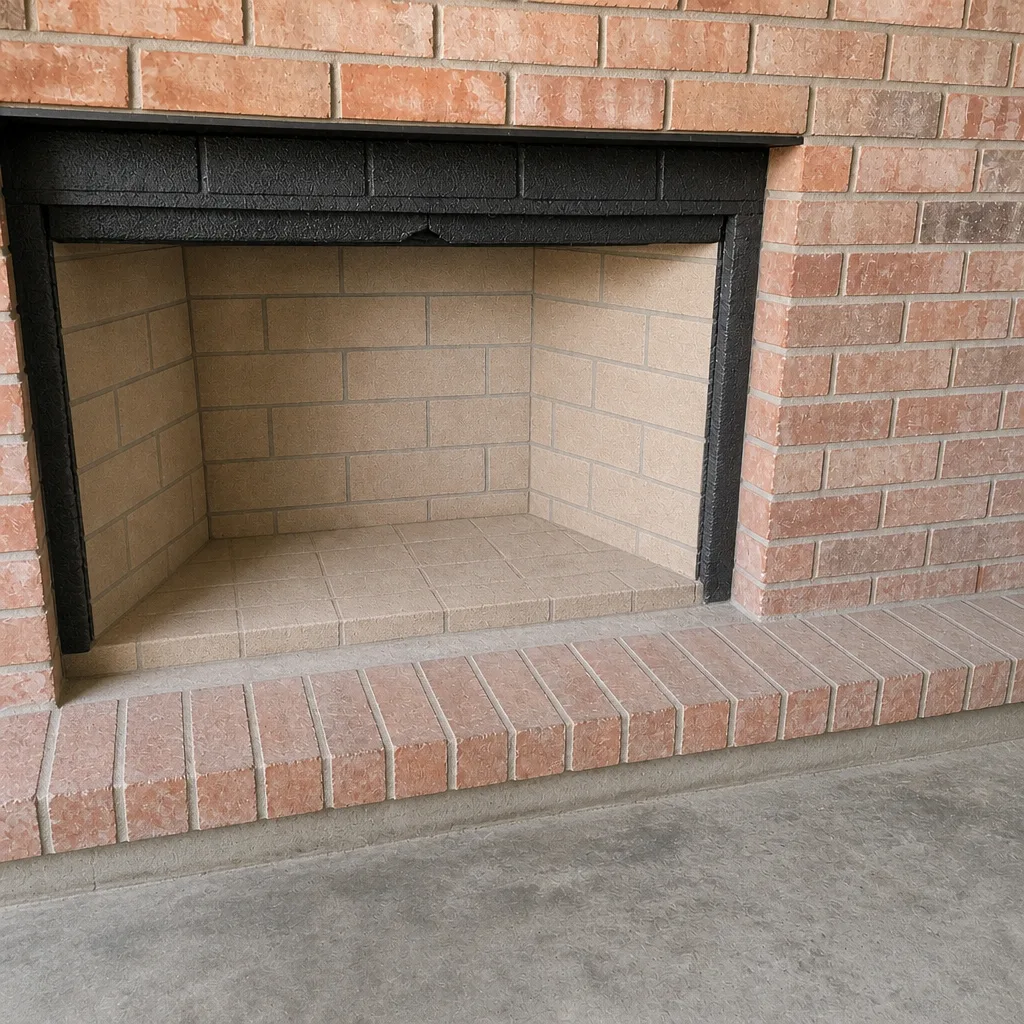
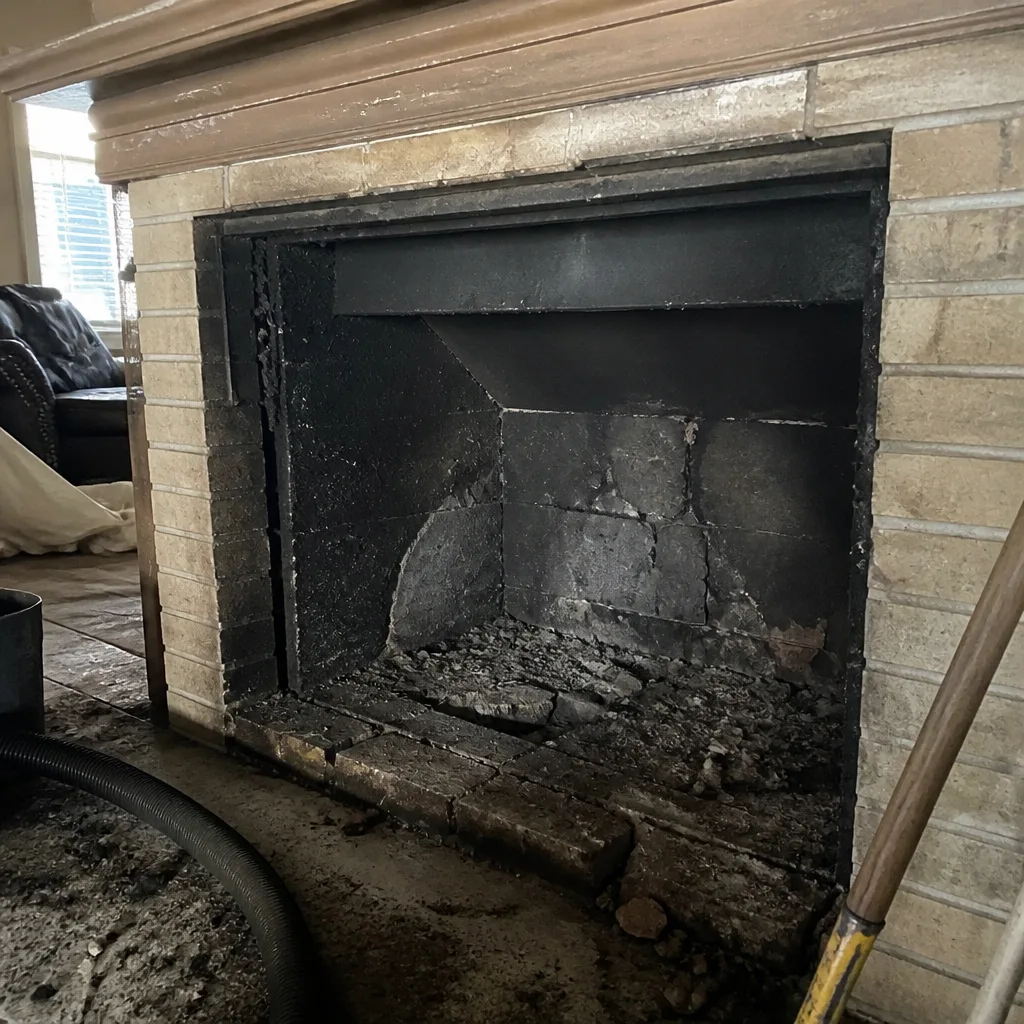
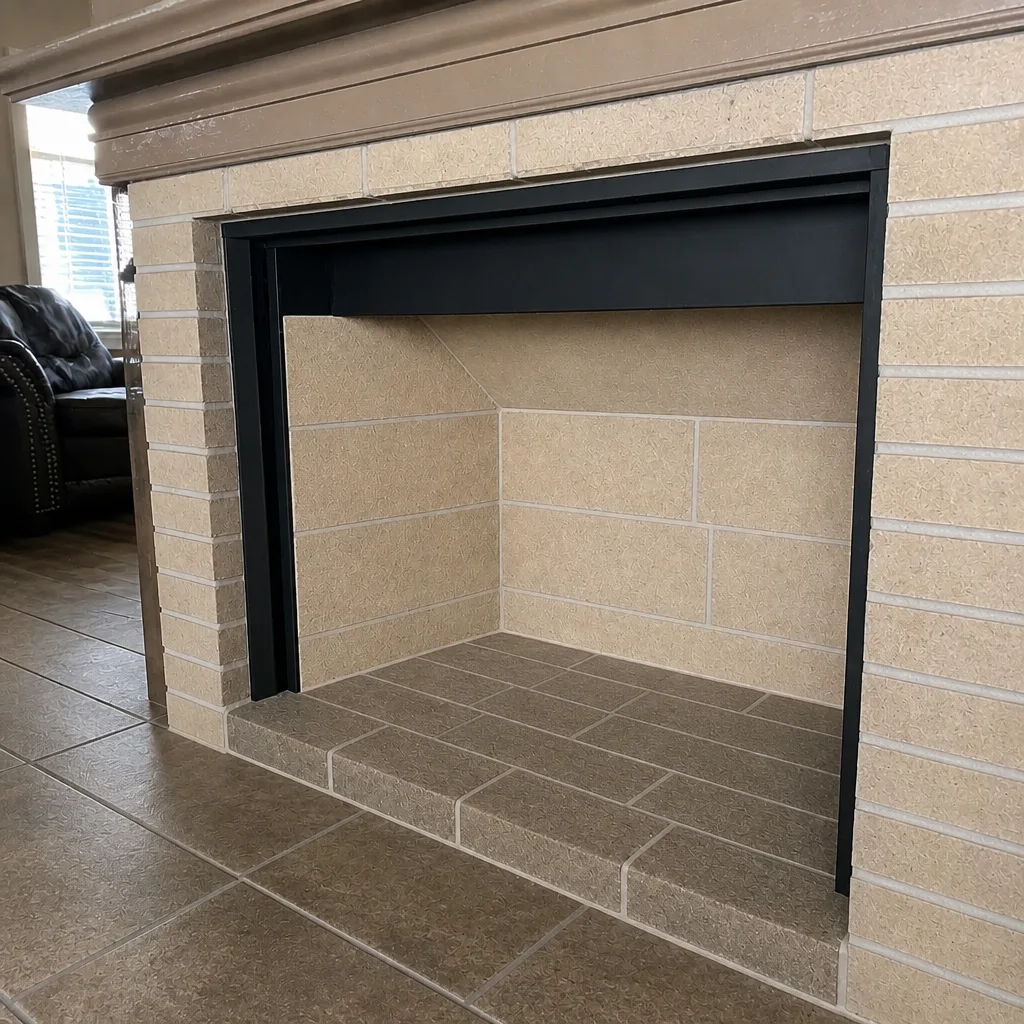
See the difference
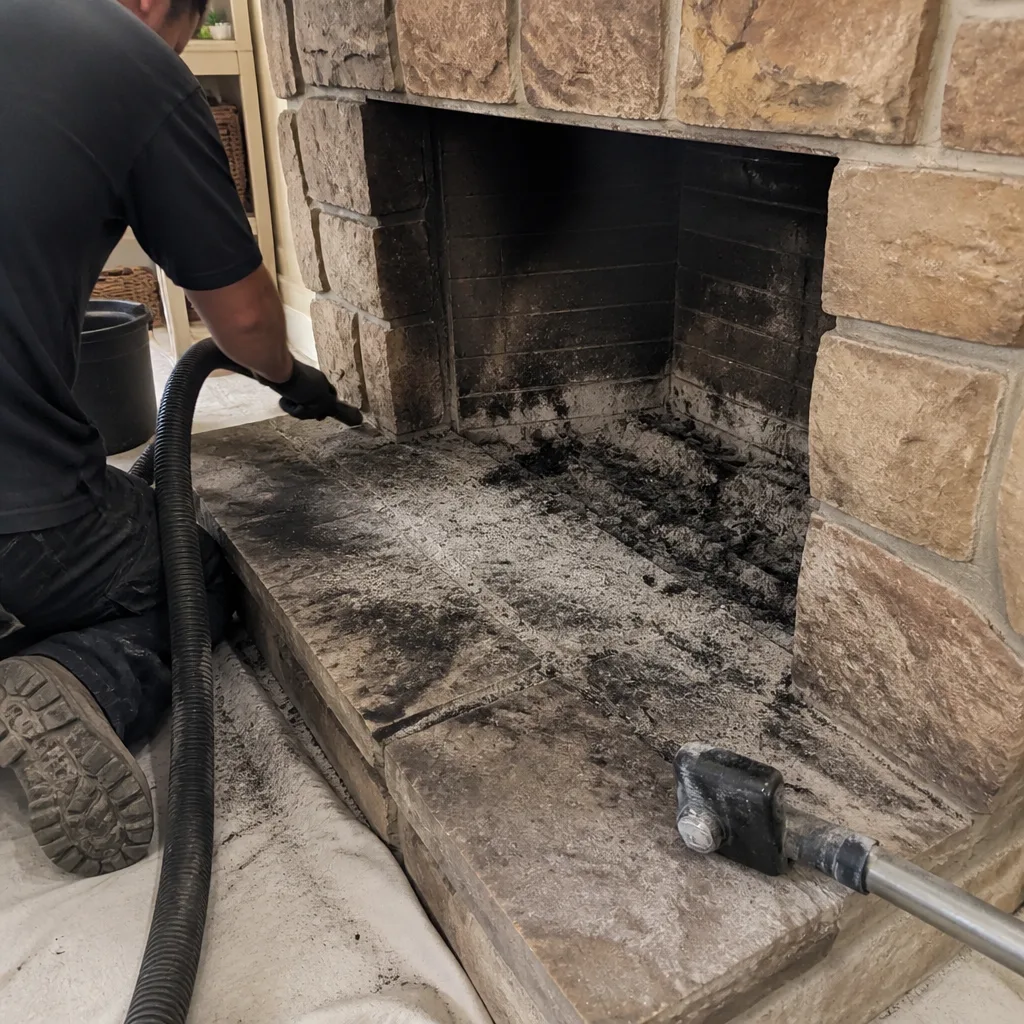 Before
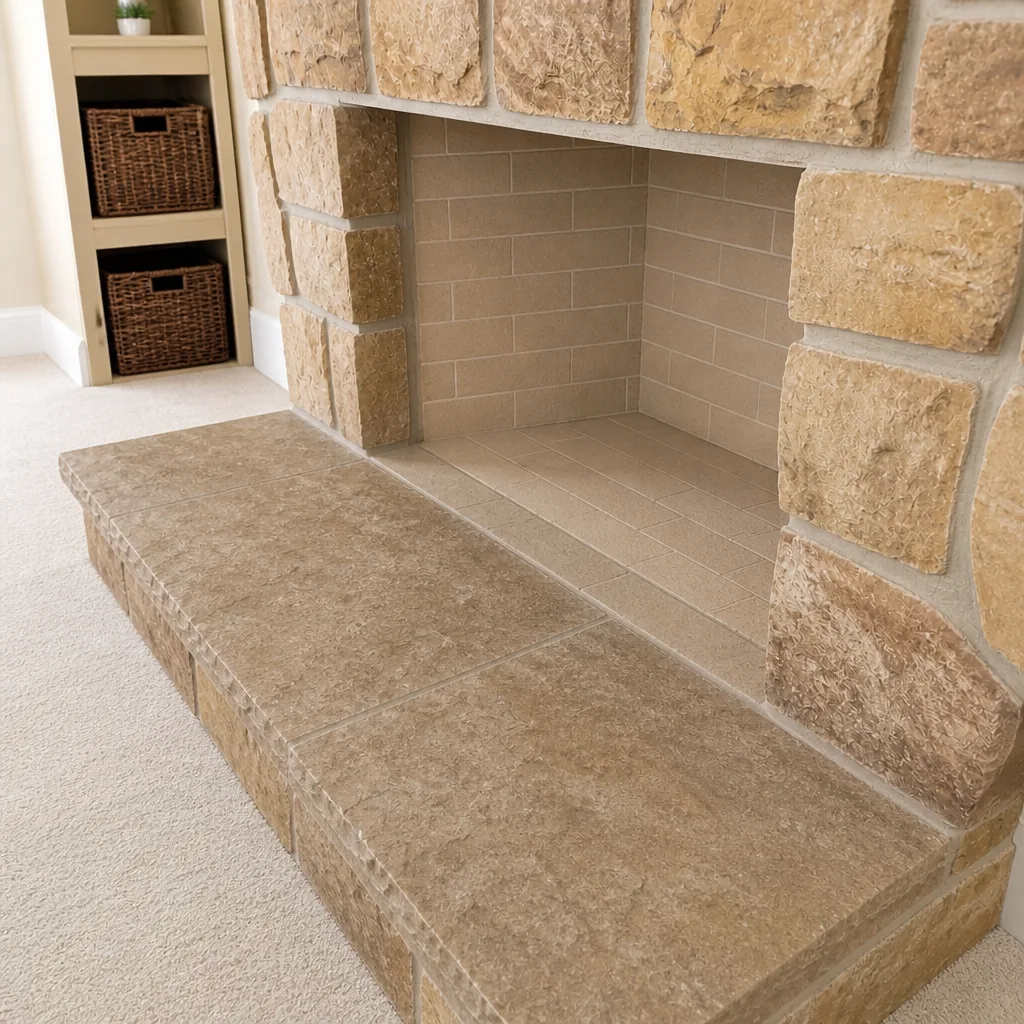 After
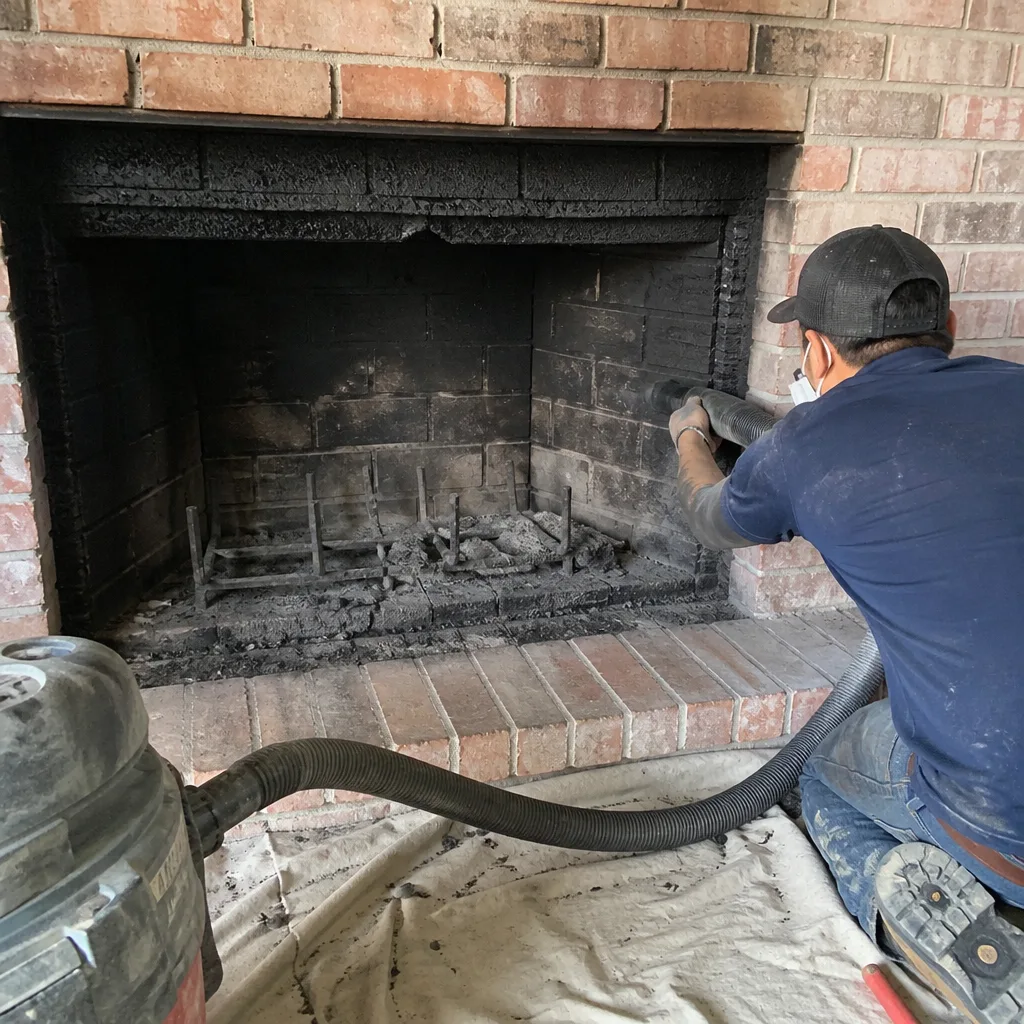 Before
 After
 Before
 After
When to Call a Professional
Call a professional if any Tier 1 sign is present, if you smell creosote indoors, if smoke comes back into the room on the first fire of the season, or if you’re buying or selling a Pearland home and need a documented inspection. Call us if you’ve had the flue swept but never camera-inspected, or if you’ve been told “you need a full re-line” by a company that didn’t offer to show you the evidence. Inspect first, then recommend. That’s how every visit starts. Pearland Chimney Cleaning offers free estimates in Pearland. Call (866) 361-9474. We answer 24/7. Fast dispatch from 7am to 7pm, Sunday through Friday. Our technicians have up to 15 years of experience, and we work with professional-grade parts from DuraFlex, HeatShield, Gelco, Olympia Chimney, Famco, and Copperfield, not hardware-store substitutes.
Frequently Asked Questions
A faint tar smell near the fireplace is usually the first sign, showing up before you can see anything. It means creosote is building up in the flue but hasn’t become a fire hazard yet. That’s the right moment to schedule a sweep, not after a fire won’t draw. Call (866) 361-9474 for a free estimate.
No, efflorescence itself is cosmetic. It’s a white salt deposit that tells you moisture is moving through the masonry, but the brick is still structurally intact. The thing to watch is spalling, which is when that moisture starts popping the faces off the brick. Either way, an inspection finds the moisture source, usually a cracked crown or missing cap. A free estimate from us tells you exactly what stage you’re in. Call (866) 361-9474.
Creosote smells sharp and tarry, like a freshly paved road. Mold smells damp and earthy, like a closed basement. A sharp tar smell usually means a heavy creosote layer and calls for an immediate shutdown. A damp, earthy smell points to moisture and a slower fix. A camera inspection settles it without guesswork. Call (866) 361-9474 for a free estimate.
Intermittent smoking is almost always a negative air pressure issue, not a structural blockage. It happens when the house is pulling air down the chimney, often on windy days or when another exhaust fan is running. If your fireplace smoked on the very first fire of the season and keeps smoking, that’s more likely a blockage. Either way, an inspection with a camera tells you which one you’re dealing with. Call (866) 361-9474 and we’ll book a visit. We answer 24/7.
You can fix a negative air pressure problem at the margins (cracking a window during startup, checking that the damper is open) but you shouldn’t attempt a flue blockage, a cracked flue tile, or a creosote removal on your own. Chimney work involves heights, open flame, and combustion gases. A trained technician is the right person for anything beyond a visual check from the ground. Call (866) 361-9474 for a free estimate.
Occasionally that’s the right answer, but it’s less often than homeowners expect. Many flues that a sweep-only company wants to re-line can be restored with HeatShield at a fraction of the cost. We’ll show you photos of the flue and explain what stage it’s at before recommending anything. If the work can safely wait, we tell you. Call (866) 361-9474 for a free estimate.
Yes, and it’s the main reason the moisture-driven signs show up faster here than in drier parts of Texas. A flue that sits unused through a humid summer collects condensation, which drives efflorescence on the brick and can even support mold. An annual inspection paired with a properly fitted cap goes a long way toward blocking that. Call (866) 361-9474 for a free estimate.
Once a year is the baseline, paired with an inspection. Homes that burn daily or burn unseasoned wood may need a mid-season check. If the chimney sat unused all summer, a fall inspection before burning season is the smart move. Call (866) 361-9474 for a free estimate.
The Bottom Line
Not every chimney warning sign is a five-alarm problem, and treating them all the same is expensive. A creosote smell indoors, smoke rolling back into the room, or a crack in the flue calls for a shutdown and a call. Efflorescence, minor spalling, and light creosote buildup are slower problems that can be scheduled. Pearland’s humidity makes the moisture-driven signs appear faster than most homeowners expect, which is why a camera inspection is the only way to know what stage your chimney is at. Inspect first, then recommend. Nothing we suggest goes past you without photos and a plain-language explanation of what we’re looking at. One call covers sweep, inspection, and repair.
Whether you’re booking a sweep before burning season or you’re in the middle of a real estate transaction and need a documented inspection, we can help. Pearland Chimney Cleaning offers free estimates in Pearland. Call (866) 361-9474. We answer 24/7. Fast dispatch from 7am to 7pm, Sunday through Friday. We work with professional-grade parts from established chimney supply brands because the repair has to outlast the warning sign.
Written by the team at Pearland Chimney Cleaning.