
Last updated November 15, 2026
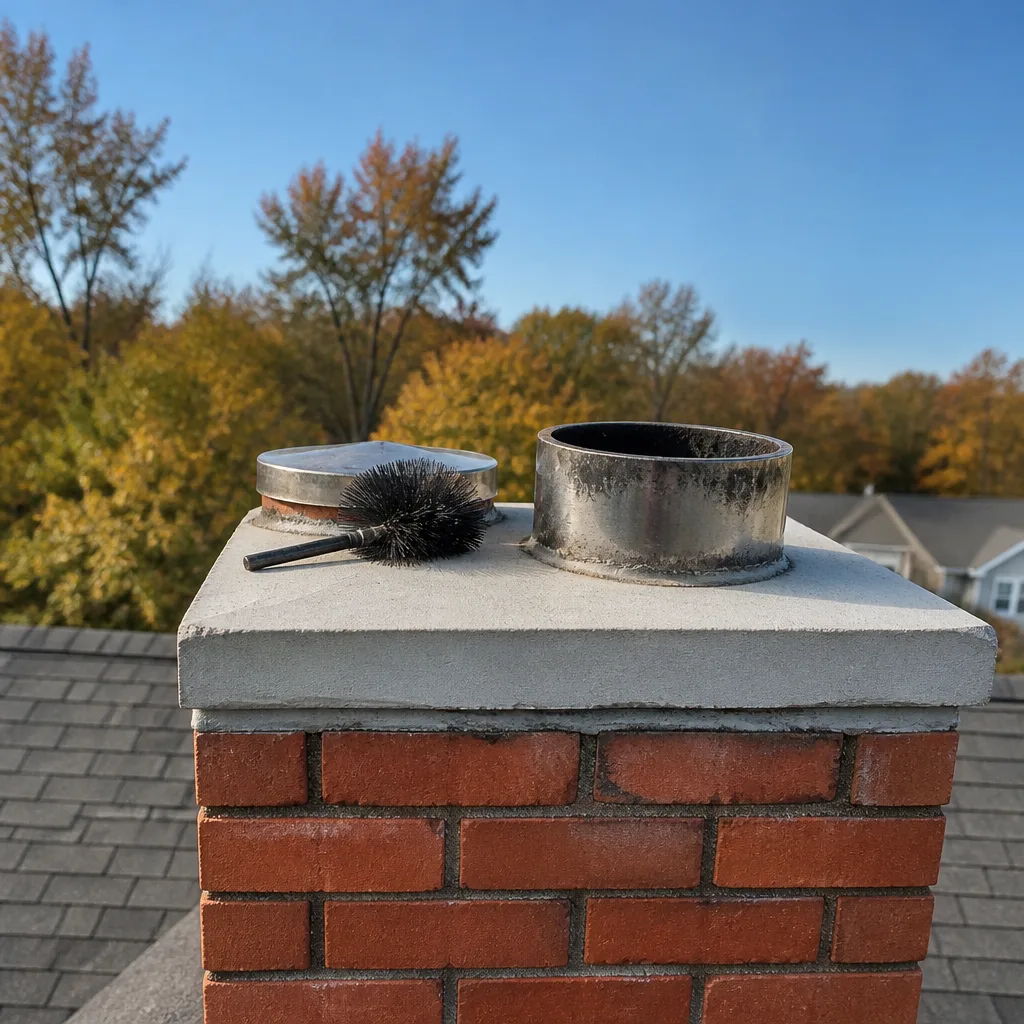 Sweep & inspection
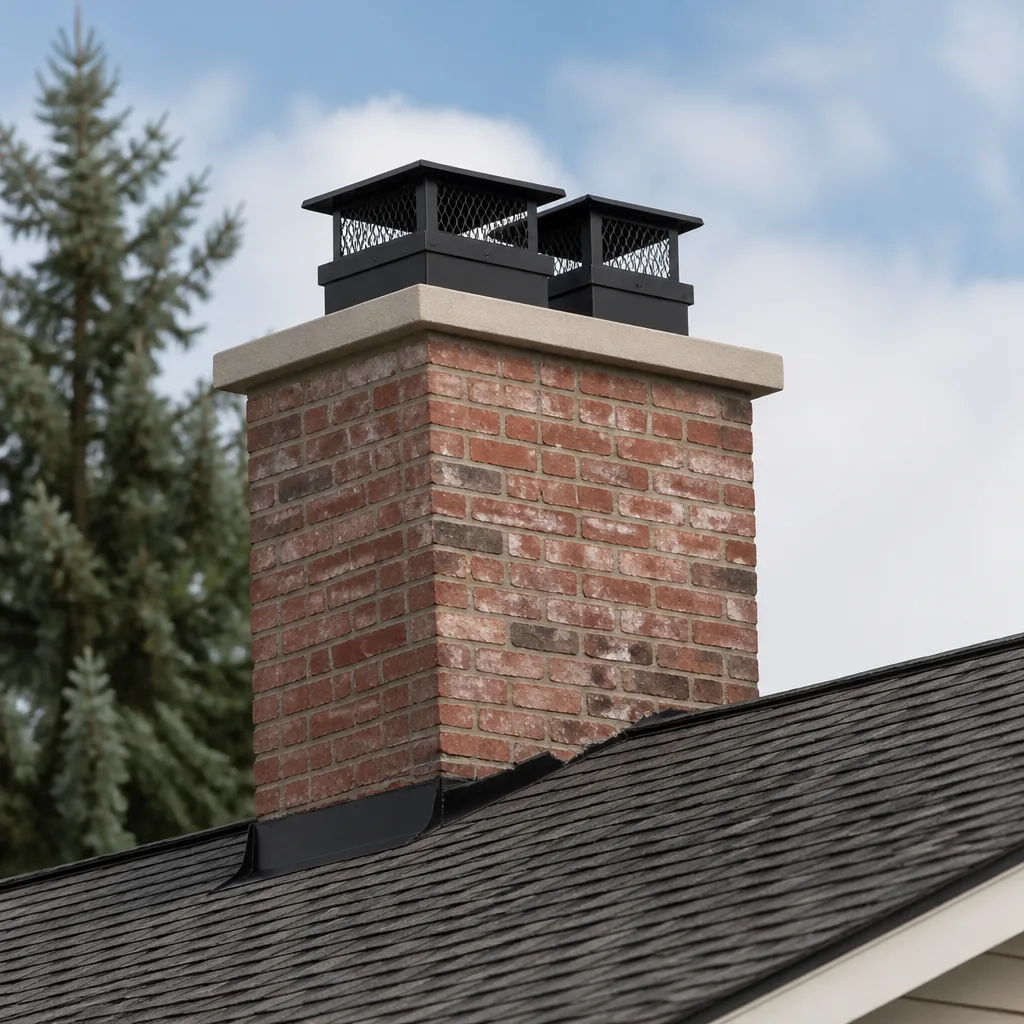 Caps & crowns
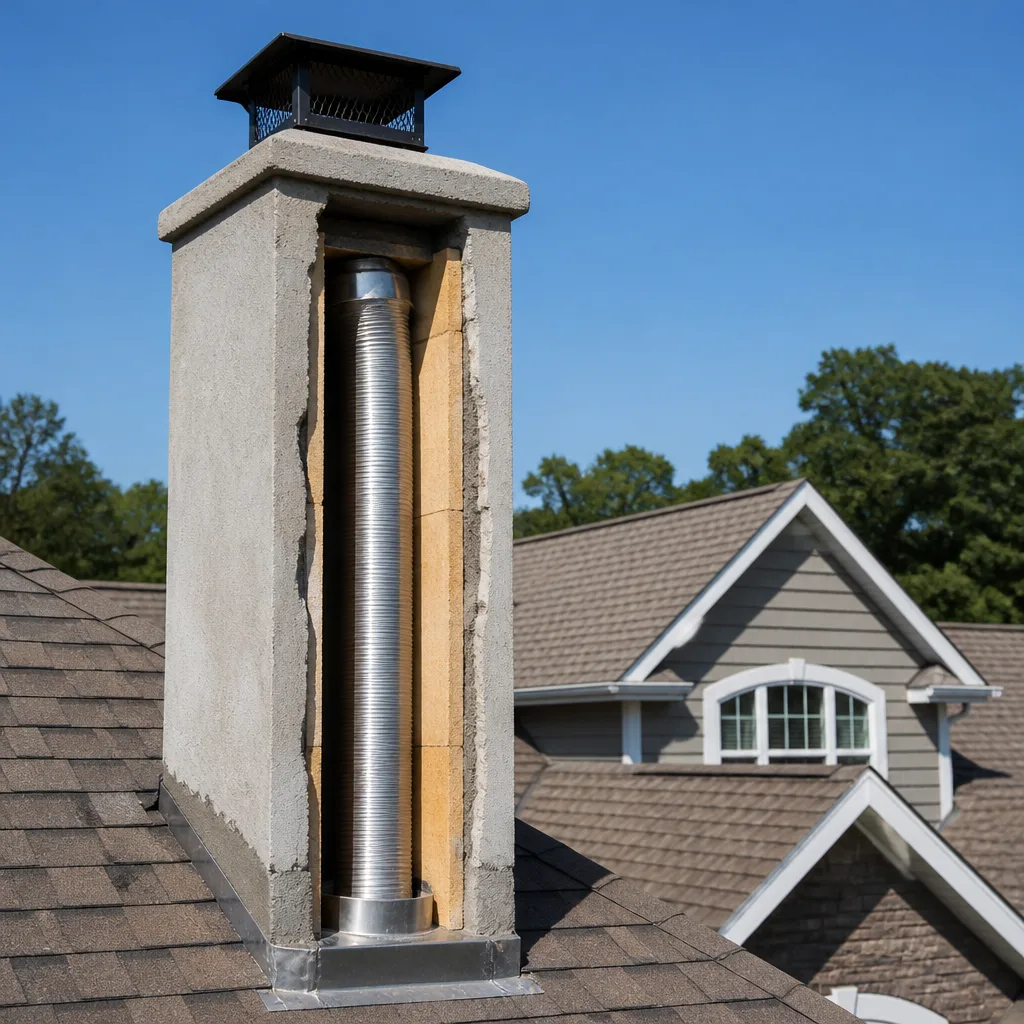 Flue relining
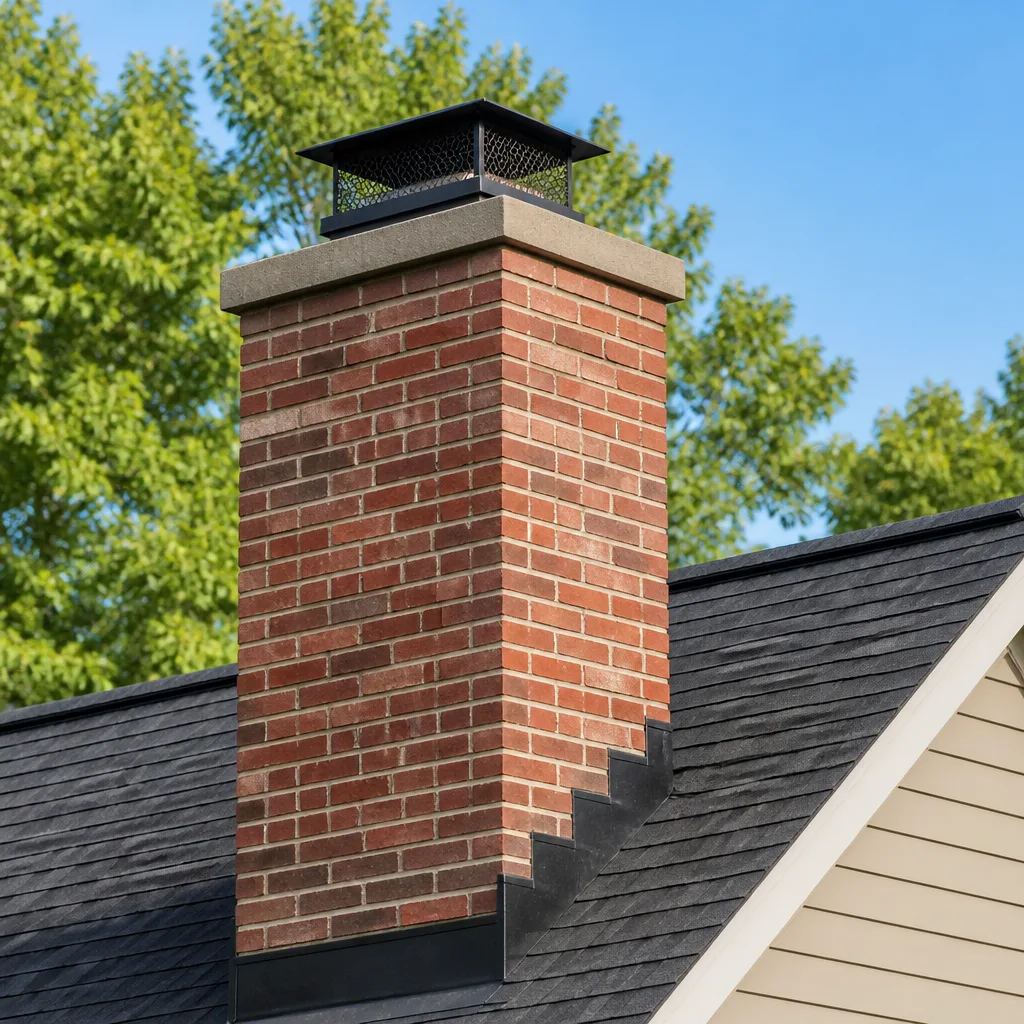 Masonry repair
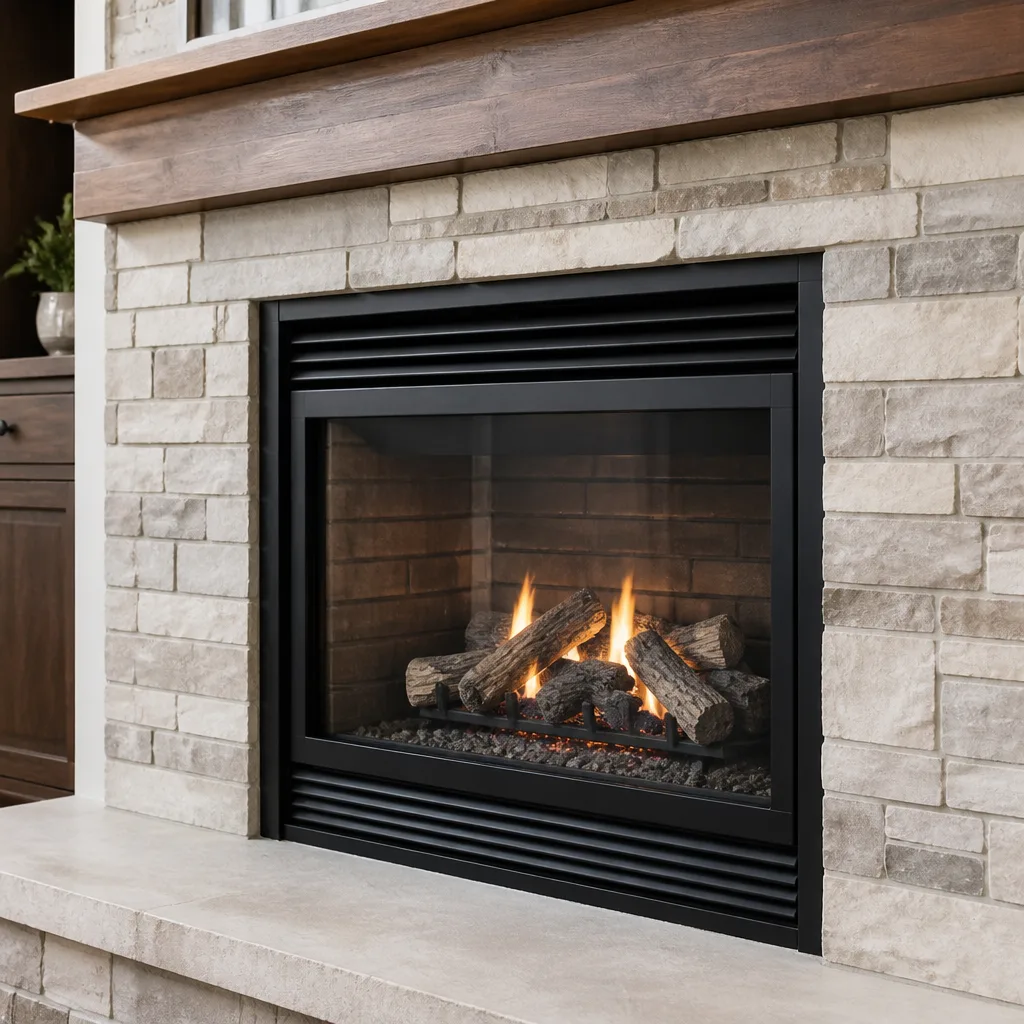 Gas fireplace service
Level 1 sweep and inspection to the NFPA 211 annual standard - flue, crown, cap, and flashing checked and photographed
Chimney sweep logs do not sweep chimneys. They loosen some creosote - which then falls where a brush and vacuum still have to collect it.
Chimney Sweep Maintenance Checklist for Pearland Homeowners
A checklist that says “schedule your annual cleaning every fall” is close to useless advice in Pearland, where fireplace season really runs from December into February and tropical weather rolls through in June. Follow the national calendar and you’ll sweep a flue that’s already been sitting idle for months, or skip the inspection that matters most right after a storm. Chimney care here follows local rhythm: what burns, when it burns, what the rain and wind do to the exterior in between. This guide lays out a task-by-task calendar built around that rhythm, separating what you can safely check yourself from what needs a technician, and showing how to track your chimney’s condition year over year so small problems get caught before they turn into repairs.
Quick Answer
Chimney maintenance in Pearland works best as a short spring inspection after your last fire, a late-fall sweep before the burning season starts in December, and quick visual checks after any high-wind or heavy-rain event. How often you actually need a professional sweep depends on how much you burn, not on the calendar alone: a household that lights a fire most winter evenings needs more frequent cleaning than one that burns a few weekends a year. Keep photos of the crown, cap and exterior mortar each year so you can spot deterioration as a trend rather than discovering it as a surprise.
Styles & brands we work with
- Sweep & inspection
- Caps & crowns
- Flue relining
- Masonry repair
- Gas fireplace service
Table of Contents
- The Pearland Seasonal Maintenance Calendar
- Matching Maintenance to Your Burn Frequency
- What You Can Safely Check Yourself
- What Requires a Technician
- Post-Storm Inspection Triggers for Pearland
- Documenting Condition Year Over Year
- Chimney Maintenance for Buyers and Sellers
- What Happens During a Professional Visit
The Pearland Seasonal Maintenance Calendar
The seasonal pressures around Pearland are specific. Summers are hot and humid, with afternoon thunderstorms and the occasional tropical system. Winters are mild, so the fireplace season is short but intense: when a cold front finally drops nighttime temperatures, households burn hard for a few weeks and then stop. That pattern shapes a maintenance calendar quite different from the generic “clean in fall” plan you’ll read on most national sites. Here’s how we’d sequence the year.
- March, after your last fire: Book a sweep and inspection. Soot and creosote sit in the flue all summer otherwise, and humid air keeps the firebox damp. Spring is also when you’ll want to catch any exterior damage before storm season makes it worse.
- April through May, before the heat sets in: Walk the exterior. Check the crown, cap, flashing and mortar joints while the weather is still workable. This is the window to schedule any chimney repair found during the spring inspection so it’s finished well before fall.
- June through September, storm season: Visual checks after high-wind or heavy-rain events. No sweeping needed if the chimney is idle, but exterior damage can develop fast.
- October through November, before burning season: A pre-season sweep and inspection. Confirm the damper operates, the cap is secure, and there are no animal nests or debris from summer storms blocking the flue.
- December through February, burning season: Burn clean, dry wood. Watch for smoke backing into the room, a damper that sticks, or creosote buildup visible at the flue throat. Schedule a mid-season sweep if you burn heavily.
That’s the skeleton. The rest of this guide explains how to fine-tune it for your household and how to keep your chimney in shape between visits.
Matching Maintenance to Your Burn Frequency
The annual sweep is a default, not a rule. Chimney professionals generally base cleaning intervals on the amount of creosote deposited in the flue, and that depends on how much and how hot you burn. A house that lights a fire every cold evening from December to February accumulates far more than a household that burns on a few holiday weekends. Pearland winters are mild enough that both kinds of household exist on the same street.
Here’s how we think about intervals in our experience:
- Heavy use (fires most winter evenings, or a wood stove used as supplemental heat): Sweep at least once a year, and consider a mid-season check if you notice reduced draft or heavy smoke.
- Moderate use (fires a few times a week during the cold months): An annual sweep at the end of the season handles it.
- Occasional use (a handful of fires per season): An annual inspection is still worth it, but a full sweep may not be needed every year. Let the inspection decide.
- Wood-burning stove: Stoves run hotter and longer than open fireplaces and can build creosote differently. Treat the annual sweep as a floor, not a ceiling.
One more variable: the wood you burn. Seasoned, dry hardwood produces less creosote than green or unseasoned wood. In a humid climate like ours, wood stored outdoors absorbs moisture fast, so keep your supply covered and elevated and give it time to dry before you burn it. Wet wood smolders, smolders make smoke, and smoke is what coats your flue.
What You Can Safely Check Yourself
Between professional visits, a homeowner can spot a lot of developing problems with nothing more than a flashlight, a pair of binoculars and a phone camera. The point isn’t to replace the technician. It’s to catch changes early and to know when to pick up the phone. Here’s what’s fair game for a self-check.
- The crown. Look at the concrete cap on top of the chimney from the ground. Cracks, crumbling, or a crown pulling away from the flue are all worth flagging. A cracked crown lets water into the masonry.
- The cap and spark screen. A chimney cap keeps rain, birds and squirrels out. Check that it’s still secure after wind events and that the screen isn’t torn or clogged.
- Exterior mortar joints. From the ground, look for missing, soft or powdery mortar between the bricks. Small joint failures are easy to spot and cheap to address early.
- Flashing at the roofline. The metal where the chimney meets the roof should sit tight. Lifted or rusted flashing is a common leak source.
- The firebox interior. With the damper open and no fire burning, shine a light up into the throat. You’re looking for heavy soot, shiny glazed creosote, or anything built up that blocks the opening.
- Smoke and draft behavior. Every fire should pull smoke up cleanly once it’s established. Smoke that lingers, back-puffs or spills into the room is a signal, not a quirk.
Keep in mind that what you see from outside is only half the system. The flue interior, the smoke chamber and the hidden masonry are where the serious problems tend to hide. That’s where the chimney sweep visit earns its keep.
What Requires a Technician
Some tasks aren’t just difficult. They’re genuinely dangerous without training and the right equipment. Chimney interiors involve height, confined spaces, and the possibility of structural failure. We recommend a trained professional for anything inside the flue and for any work at the top of the chimney.
- Flue cleaning and creosote removal. Creosote is flammable and can be stubborn once it glazes. Removing it safely needs rotary brushes and the judgment to know how much is too much.
- Chimney inspections. A proper inspection covers the firebox, smoke chamber, flue, crown, cap and exterior, often with a camera. This is what gives you documented proof the system is safe.
- Relining and liner restoration. When the flue liner is cracked or deteriorated, the fix isn’t cosmetic. Professional-grade materials matter here, and we work with industry brands like HeatShield for restoration and DuraFlex for relining, which can be less invasive than a full replacement.
- Crown repair and exterior masonry. Repairing a crown or rebuilding mortar joints at the top of a chimney means working at height with the right materials.
- Any sign of structural movement. Bricks out of line, a chimney that leans, or gaps where it meets the roof all need eyes that know what to look for.
The logic is simple: if it involves the inside of the flue or the top of the chimney, bring in a technician. If it involves looking from the ground and taking notes, it’s yours.
Post-Storm Inspection Triggers for Pearland
Brazoria County sits in a part of Texas that sees its share of high-wind events and heavy summer rain. The chimney is one of the few exterior parts of a house that a storm can damage without you noticing from inside. So the calendar here includes more than the seasonal sweep and inspection. It includes storm-triggered checks, and those are quick to run.
After any high-wind event or sustained heavy rain, run through this list:
- Look at the cap from the ground. A loose or missing cap means water and animals can get into the flue.
- Check the crown for new cracks or missing chunks. If the crown was already aging, wind and rain can finish it off.
- Inspect the flashing at the roofline for lifting or rust streaks.
- Look for water stains on the ceiling or around the chimney breast inside the house.
- Check the firebox and damper area for dampness or musty smell.
- Check for debris (leaves, twigs, nests) sitting on top of the damper or in the firebox.
- If your chimney has any sign of movement, tilt or separation from the roof, call before using the fireplace again.
None of these require getting on the roof. All of them can tell you whether a professional visit is warranted before the next burning season. If you live in Pearland and the storm left you with questions, we’re glad to walk through what you’re seeing.
Documenting Condition Year Over Year
Most chimney problems are slow. The crown that cracks a little more each year, the mortar that softens, the creosote that builds thicker and thicker until one day the fire doesn’t draft right. The best defense isn’t a single inspection. It’s a running record that lets you see the trend.
Here’s a photo and records routine that takes less than an hour a year:
- Take standard-view photos. Stand in the same spot every year and shoot the chimney from the ground: front, sides, cap, crown. Same time of day, same angle. Consistency is what makes the comparison useful.
- Take close-ups of known trouble spots. If a mortar joint was starting to go last year, photograph it again this year so you can see whether it’s progressed.
- Photograph the firebox interior. Metal fireboxes often show deterioration at the floor and corners before anywhere else.
- Keep the technician’s report with the photos. A dated professional inspection report plus your photos gives you a complete picture.
- Write a one-paragraph note about the season. How many fires you had, what kind of wood, whether anything changed. That context makes your records useful years later.
Home buyers and sellers will find this documentation especially valuable. A curated folder of inspections and photos is more persuasive than any verbal assurance about the chimney’s condition.
Chimney Maintenance for Buyers and Sellers
A chimney is one of the few systems in a house that can look perfectly fine from the curb and fail a professional inspection the next day. That’s why real estate transactions often include a chimney inspection: the stakes are high, the timeline is short, and neither side wants surprises after closing. If you’re buying or selling in Pearland, understanding the inspection process up front saves a lot of grief.
For sellers, the smart move is to have the chimney swept and inspected before the house hits the market. That way, any findings are addressed ahead of contract negotiation, and you have documentation ready for the buyer’s questions. It’s a lot easier to fix a cracked crown on your own schedule than during a closing deadline.
For buyers, an inspection before closing gives you a clear picture of what you’re taking on. The findings are documented, usually with photos, and that’s what you’ll want in hand whether you’re renegotiating or just planning for maintenance. Insurance companies sometimes ask for evidence that the chimney is in good repair, and a dated professional report covers that need.
Either way, the same rule applies: inspect first, then decide. A credible inspection gives both sides facts rather than guesses, and it prevents the finger-pointing that happens when a generalist tries to weigh in on a chimney problem.
What Happens During a Professional Visit
A full-service chimney company handles sweep, inspection and any repair that turns up, so you’re not scheduling three contractors for one chimney. That’s the model we work from, and it changes how a visit is organized. Here’s what a typical professional visit looks like.
- Set up and protect. Drop cloths and a containment setup go in before any work begins, so soot stays out of your living room.
- Sweep the flue. Rotary brushes clear the creosote and soot down to the firebox, using professional-grade equipment.
- Inspect the whole system. Firebox, damper, smoke chamber, flue, cap, crown, exterior. A camera often augments the visual inspection, especially for hidden sections of flue.
- Report with evidence. We document what we find, and any recommendation is tied to something you can see or read in the report. No guessing, no upsell.
- Repair if needed. When something needs fixing, we can often handle it in the same visit if materials allow, from a cap replacement to a liner repair using HeatShield or other recognized brands.
Because the same company that sweeps your flue is also the one that inspects and repairs it, there’s no gap between diagnosis and correction. If the chimney needs repair, the people who found the problem are the people who fix it. Our technicians have up to 15 years of experience, and we work with professional-grade parts from recognized brands including Gelco, Olympia Chimney, Famco and Copperfield, not hardware-store substitutes.
Common Mistakes to Avoid
- Treating the annual sweep as a fixed rule instead of a starting point. A light-use household may not need a sweep every year, while a heavy burner may need more. Match interval to burn frequency and let the inspection decide.
- Sweeping in fall but skipping the spring inspection. In Pearland, the damaging part of the year is summer storm season. A spring inspection catches exterior problems before wind and rain make them worse.
- Burning unseasoned wood. In our humid climate, wood stored outdoors picks up moisture fast. Damp wood smolders and produces more creosote, which is exactly what the sweep is trying to remove.
- Ignoring storm damage until fall. A loose cap or a cracked crown gets worse over a wet summer. Check after every major wind or rain event and call if something looks off.
- Letting a sweep-only company weigh in on repairs. If the sweep can’t also do the repair, you’re taking their word with no way to verify it. A single company handling all three eliminates the handoff.
- Skipping the records. Homeowners who can show a photo history spot deterioration early. Homeowners who can’t end up discovering it as an emergency.
- Skipping the chimney in a real estate transaction. The chimney is one of the easiest systems to overlook and one of the most expensive to fix after closing. Get the inspection before signing.
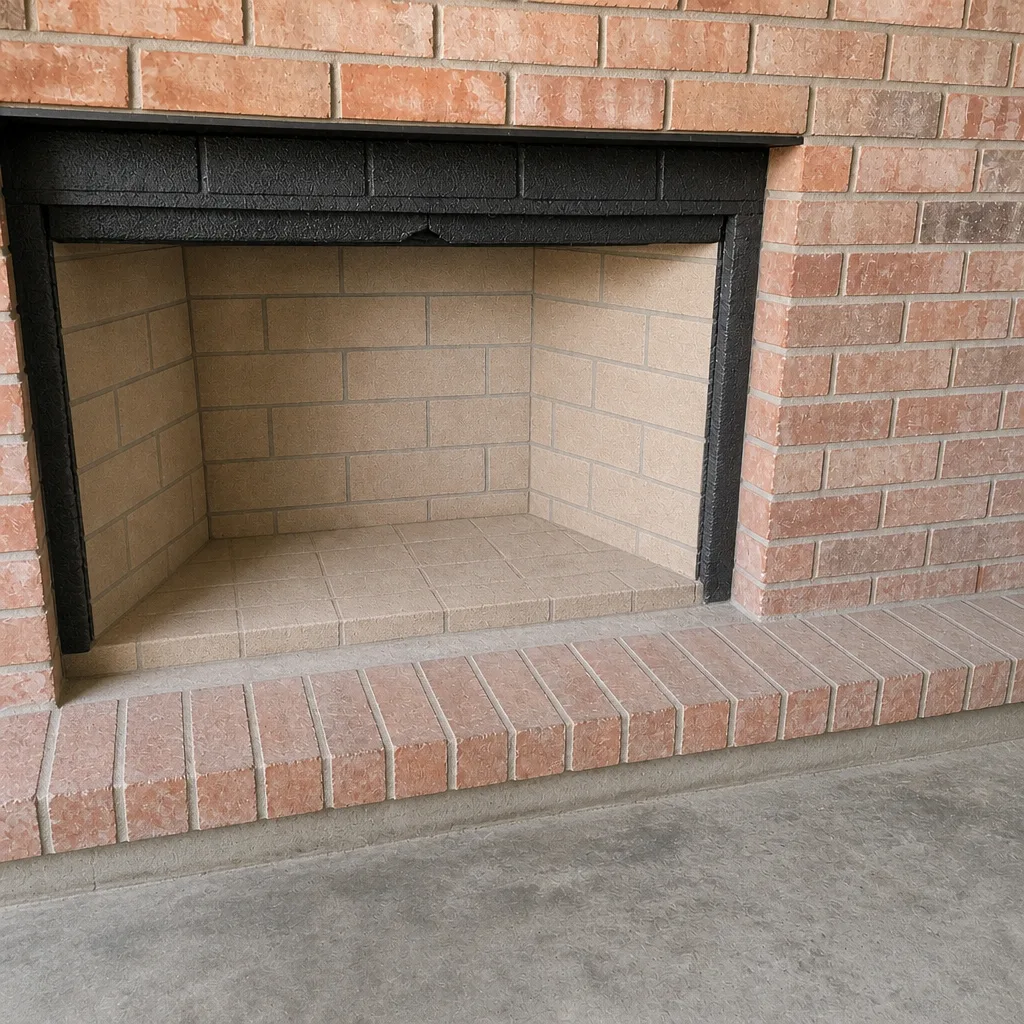
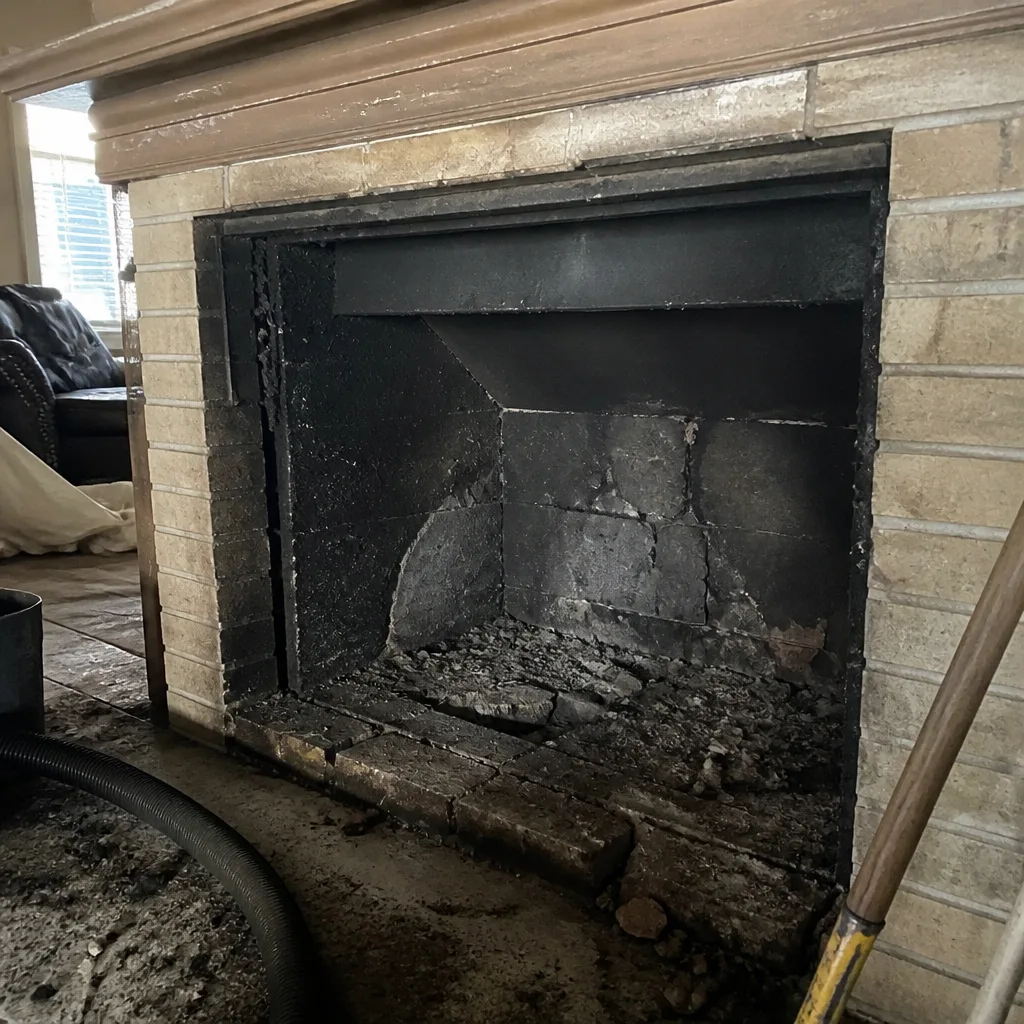
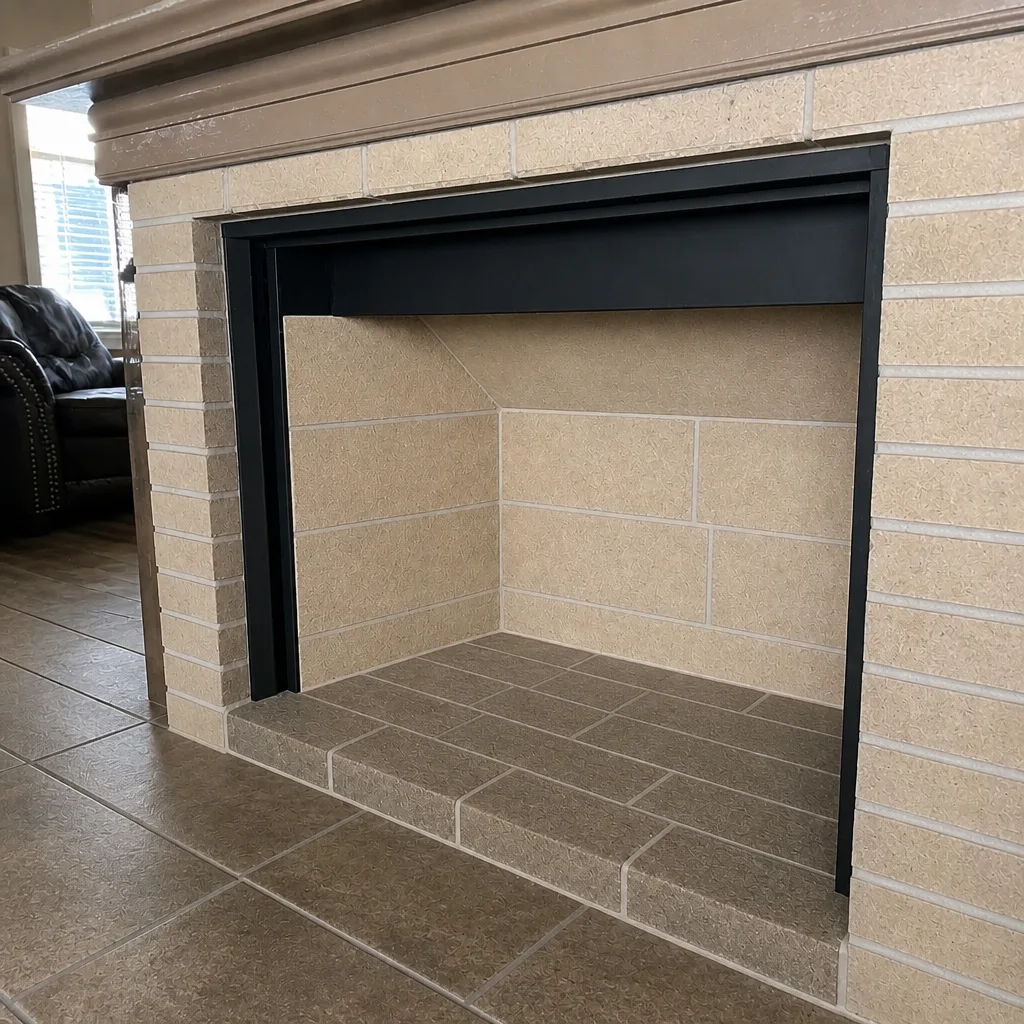
See the difference
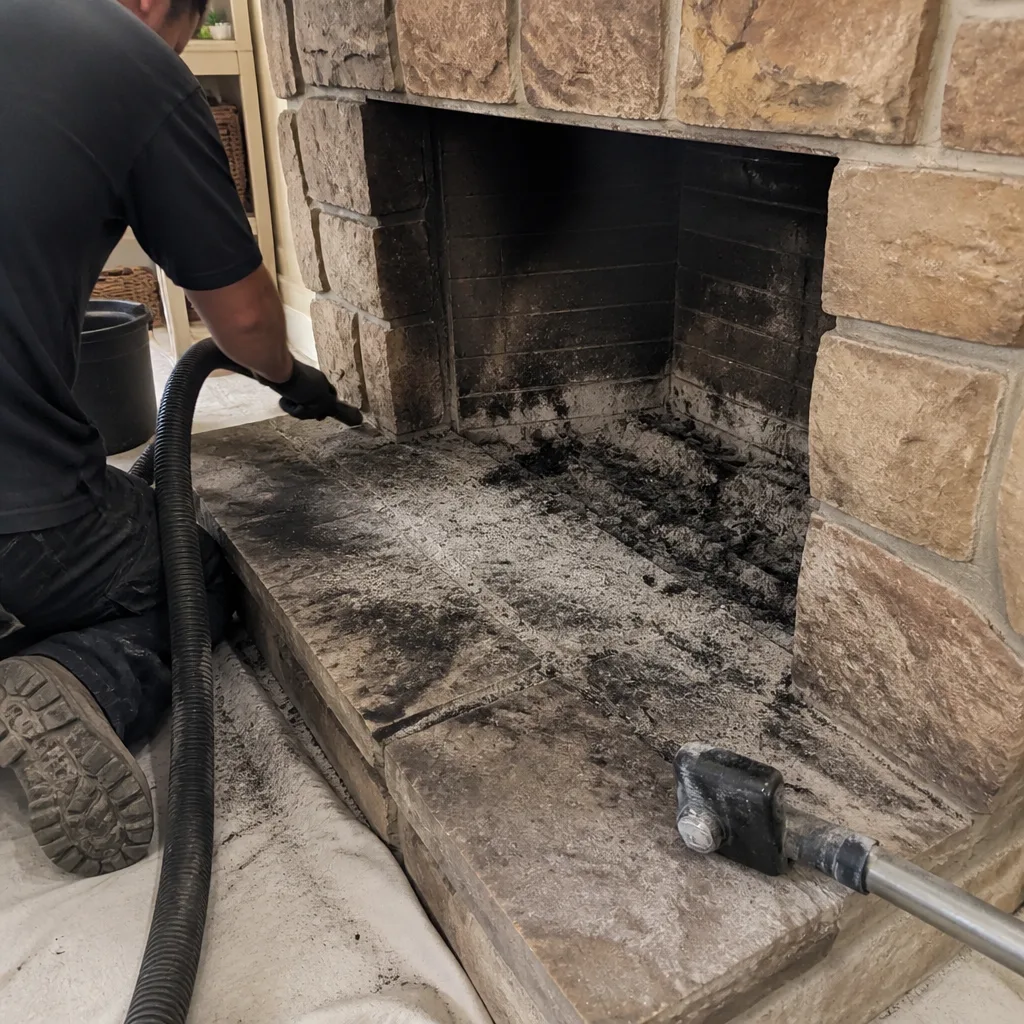 Before
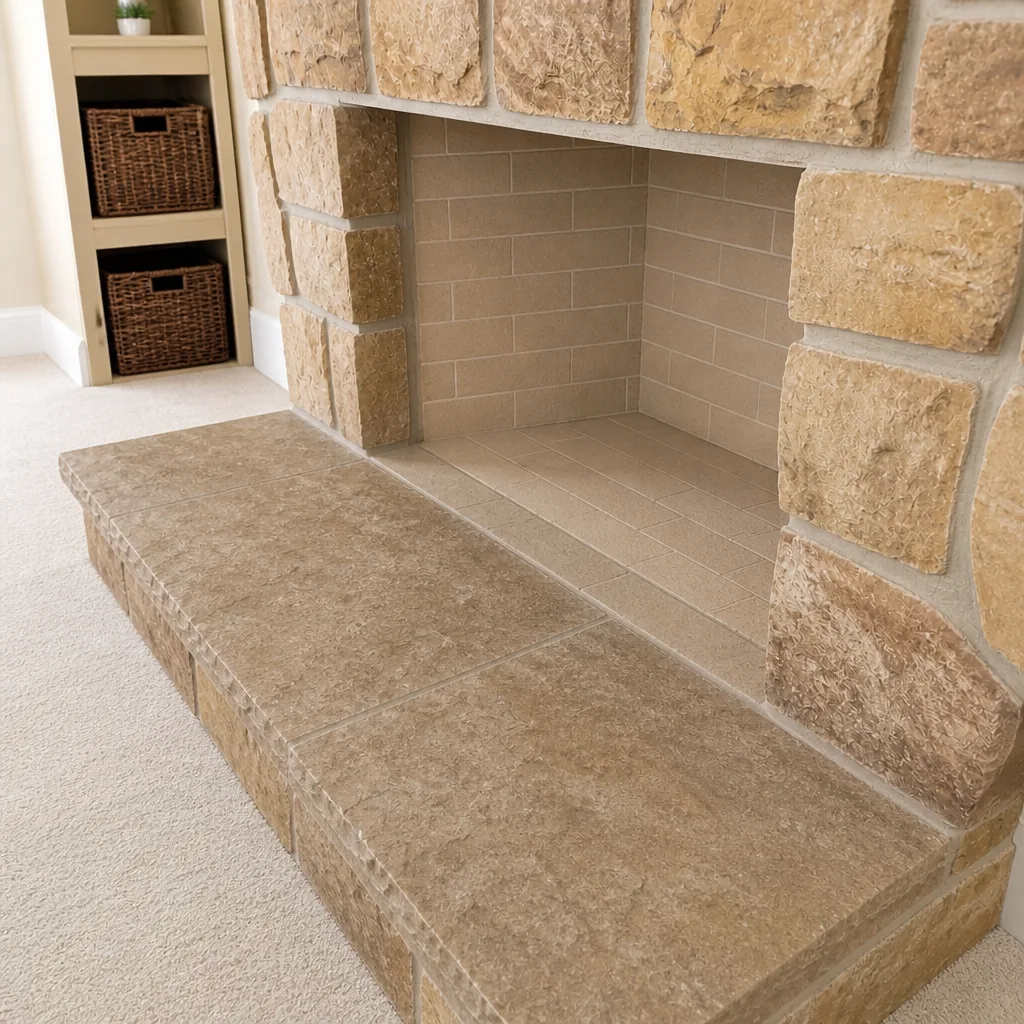 After
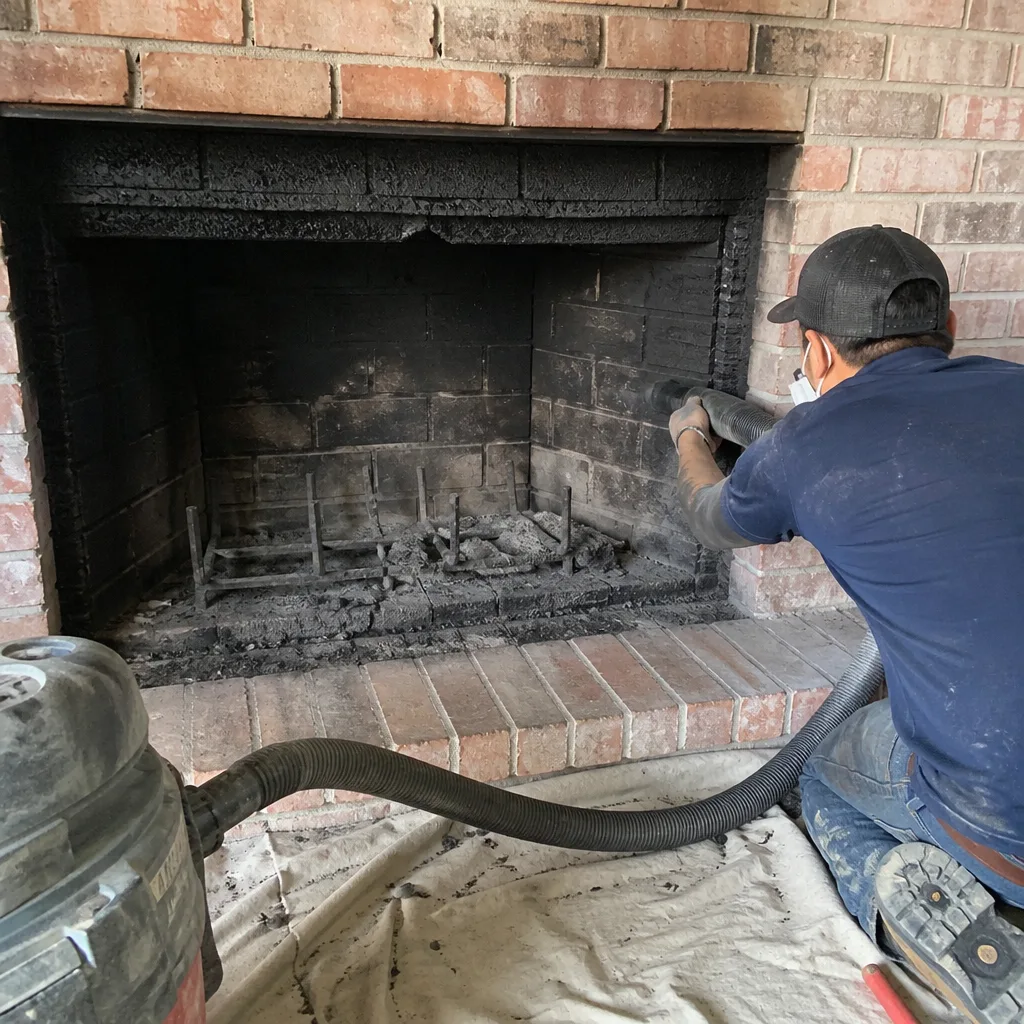 Before
 After
 Before
 After
When to Call a Professional
Some situations don’t wait for the calendar. Call a trained technician if you see any of the following: visible cracks or crumbling in the crown or exterior mortar joints; water stains on the ceiling around the chimney or inside the firebox; smoke that backs into the room when you light a fire; a damper that no longer opens or closes smoothly; a cap that’s loose or missing after a storm; or a chimney that appears to lean or has separated from the roof. If a chimney fire has ever happened in your home, treat that as an immediate call too. Pearland Chimney Cleaning offers free estimates in Pearland: call (866) 361-9474. We’ll inspect first, document what we find, and let you know what actually needs attention versus what can safely wait.
Frequently Asked Questions
For most households, once a year is the practical baseline, but the real answer depends on how much you burn. A household that lights fires most winter evenings should plan on an annual sweep at minimum, while an occasional user may get an inspection-only year. Let a professional inspection guide the interval. Call (866) 361-9474 for a free estimate.
Late fall, before the fireplace season starts in December, is the ideal window for a pre-season sweep and inspection. Spring after your last fire is the other smart slot because it catches exterior damage before storm season. Squeezing the visit in during the burning season means waiting for an opening. Call (866) 361-9474 for a free estimate.
We don’t recommend it. Creosote is flammable, the flue is a confined space, and the work happens at height. What you can do safely is a visual self-check of the crown, cap, exterior mortar and firebox from the ground, and keep notes for the professional. Call (866) 361-9474 for a free estimate.
Cracks in the crown, crumbling mortar, water stains inside the house, a damper that sticks, a liner that’s deteriorated, or smoke backing into the room all point to repair rather than a simple cleaning. A proper inspection is the way to know for sure. Call (866) 361-9474 for a free estimate.
It’s not always required by law, but it’s a smart move. Buyers often request one during due diligence, and having a dated professional inspection report in hand makes negotiations smoother. It also helps with insurance documentation. Call (866) 361-9474 for a free estimate.
After any high-wind event or heavy rain, check the cap, the crown, the flashing and exterior mortar from the ground, then look inside for water stains or debris. If anything looks off, or if the chimney shows any tilt or movement, call before using the fireplace again. We answer 24/7. Fast dispatch from 7am to 7pm, Sunday through Friday.
The Bottom Line
Chimney maintenance in Pearland isn’t a fall reminder on a national calendar. It’s a sequence: a spring sweep and inspection after the last fire, an exterior check before storm season, post-storm visual checks during the summer, and a pre-season sweep before burning starts in December. Match the sweep interval to how much you actually burn, keep photo records so you can spot deterioration as a trend, and separate the checks you can run yourself from the work that genuinely needs a technician. Inspect first, then decide. When a professional does find something, have the same company fix it, using professional-grade parts rather than hardware-store substitutes, so nothing gets lost between the diagnosis and the repair.
Call (866) 361-9474 for a free estimate. We answer 24/7. Fast dispatch from 7am to 7pm, Sunday through Friday. Whether you’re booking a pre-season sweep, preparing for a real estate closing, or responding to storm damage, we’ll inspect, document and recommend based on evidence.
Written by the team at Pearland Chimney Cleaning.