
Last updated November 15, 2026
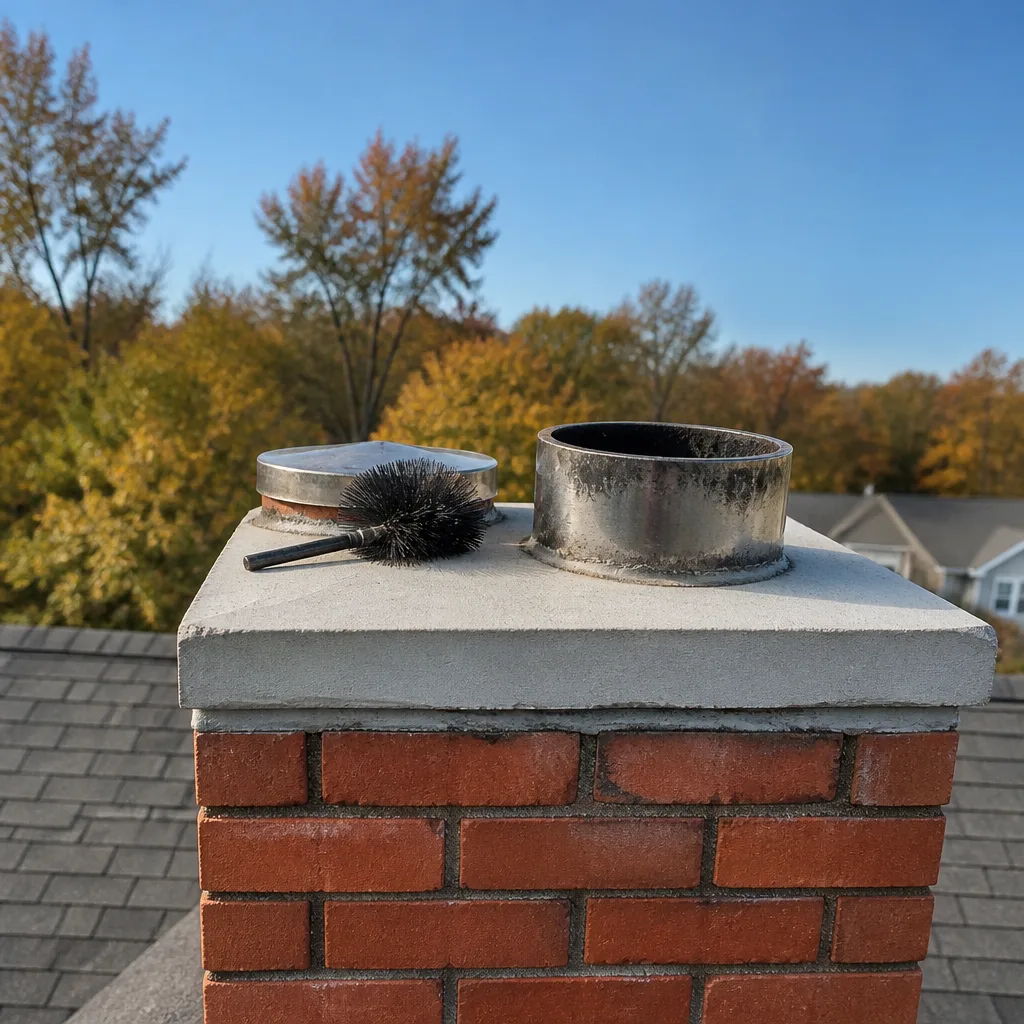 Sweep & inspection
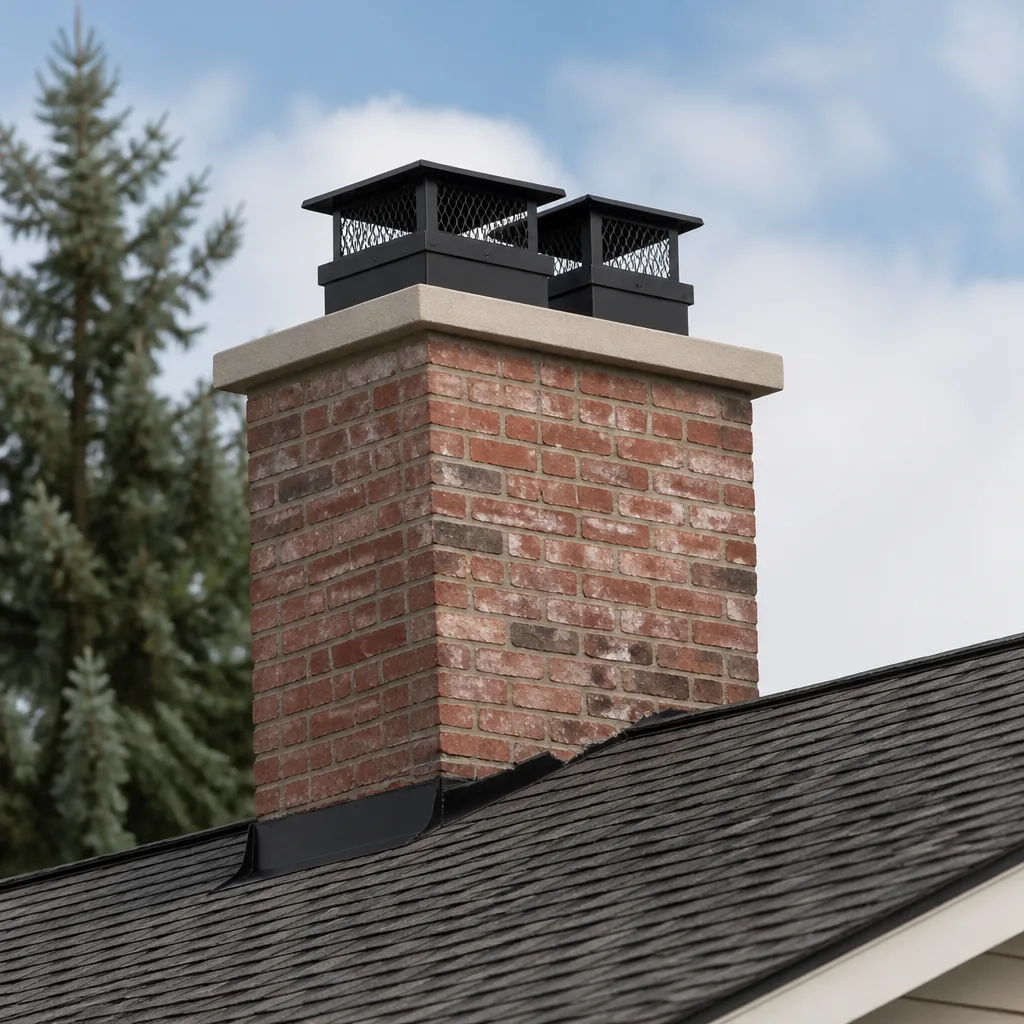 Caps & crowns
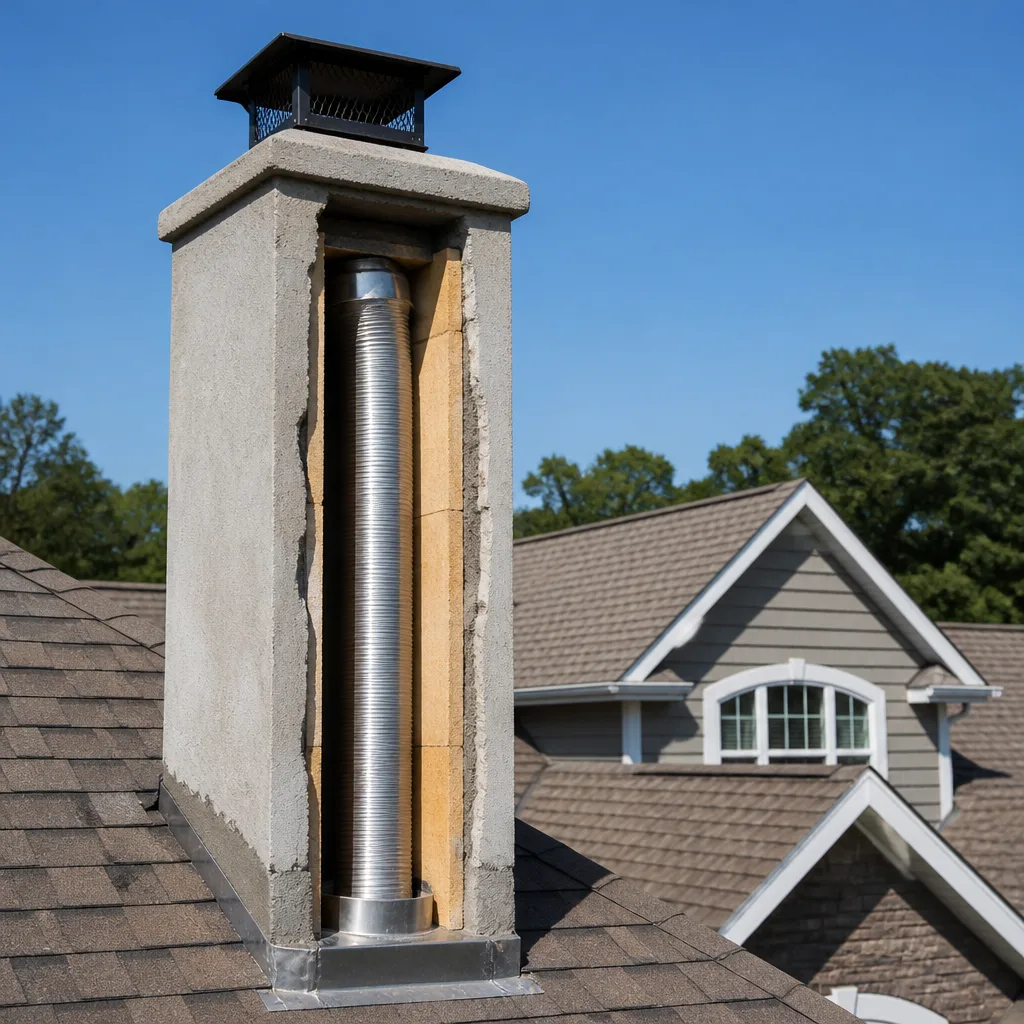 Flue relining
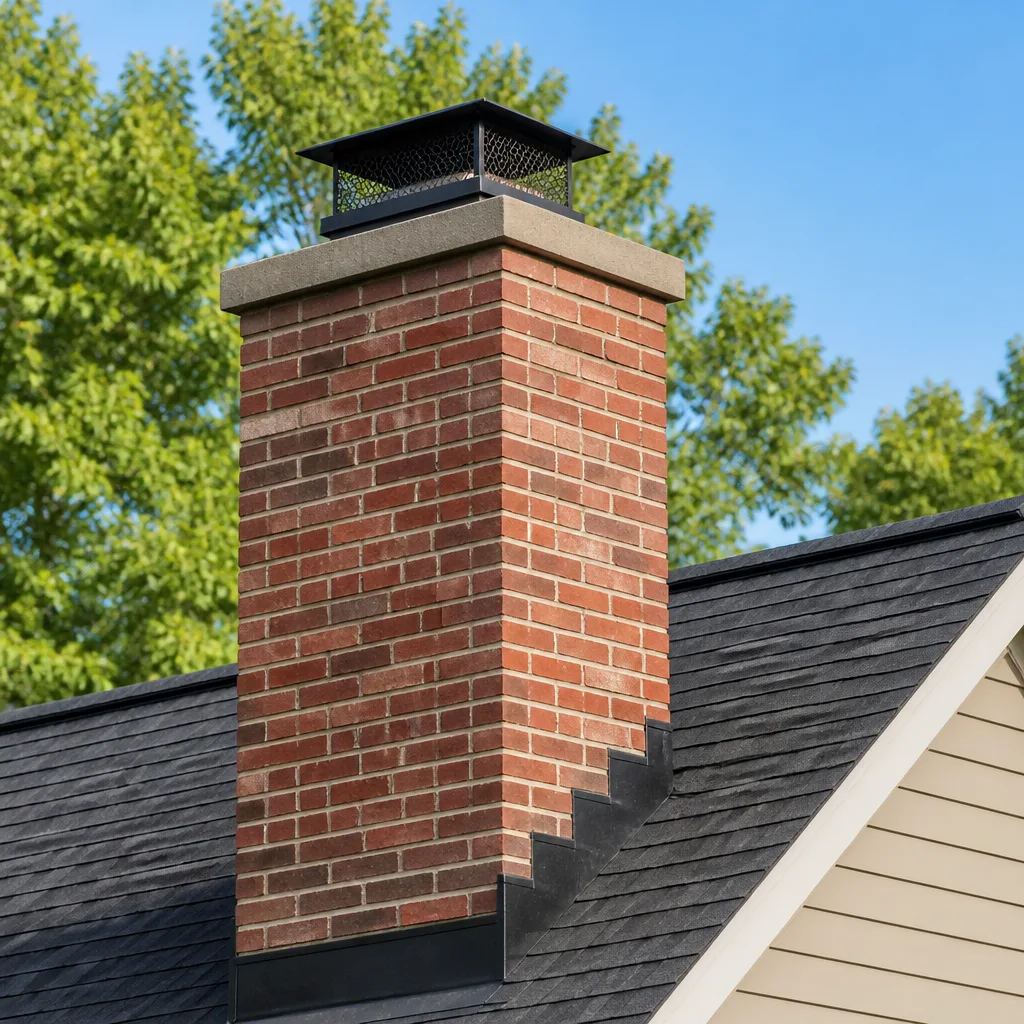 Masonry repair
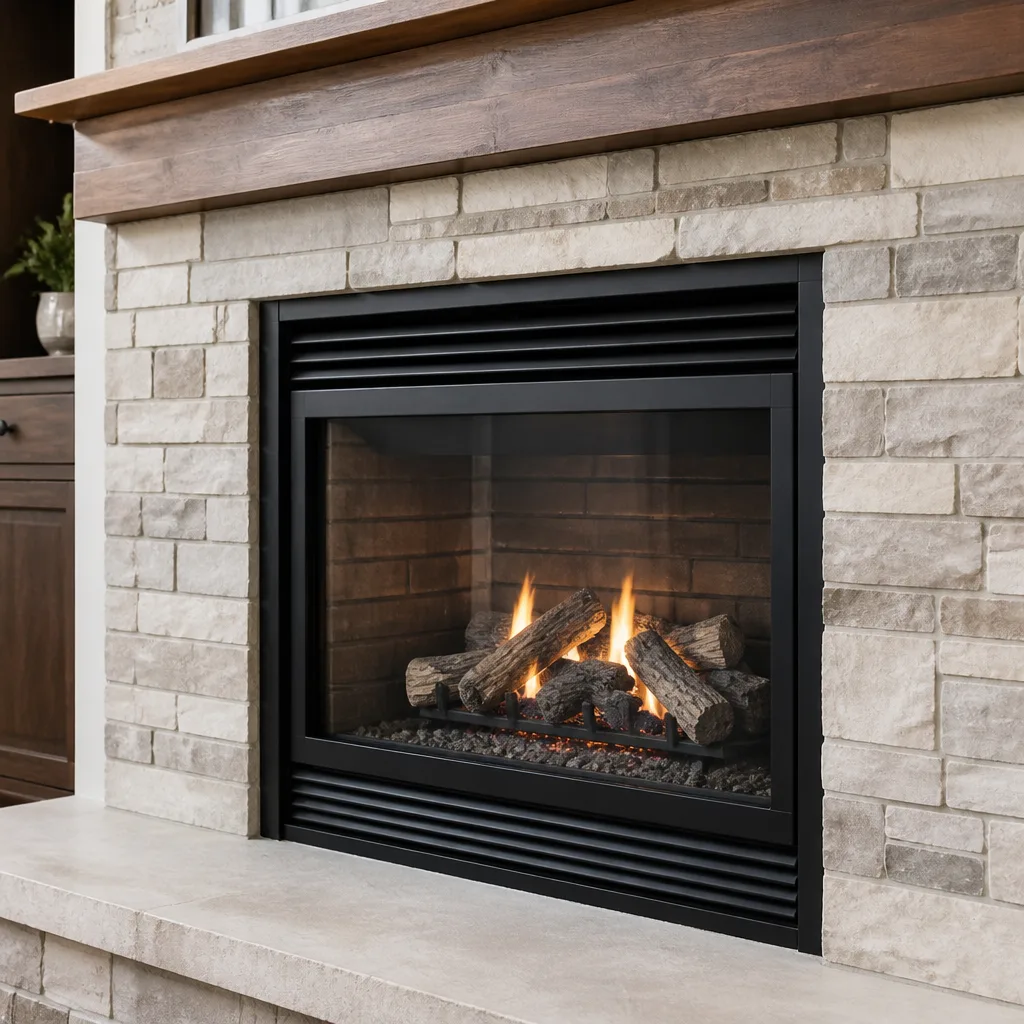 Gas fireplace service
Level 1 sweep and inspection to the NFPA 211 annual standard - flue, crown, cap, and flashing checked and photographed
Chimney sweep logs do not sweep chimneys. They loosen some creosote - which then falls where a brush and vacuum still have to collect it.
Choosing the Right Chimney Cleaning Brand: A Buyer’s Guide for Pearland
When a contractor replaces your chimney liner, the brand of liner system they use will outlast their warranty by decades, or fail before it expires. Most homeowners never think to ask what brand is going in. They ask about price. They ask about timing. They don’t ask about the material spec, and that’s the one question that actually determines how long the work lasts. This guide changes that. We’ll walk through what professional-grade chimney brands signal about a contractor’s standards, how to read a material spec sheet, and the exact questions to ask before anyone touches your flue. Pearland homeowners use their fireplaces enough to care about this, and the answers aren’t as complicated as they look.
Quick Answer
The right chimney brand signals a contractor who buys through professional distribution channels rather than a hardware store shelf, and who can document what they installed. Look for named industry brands like HeatShield, DuraFlex, Olympia Chimney, Gelco, Famco, or Copperfield on the estimate and the invoice. If a contractor can’t tell you the brand of liner, cap, or damper they’re installing, that’s your answer before the work starts. A brand name is not a guarantee of quality on its own, but the willingness to name it is a reliable signal of professional sourcing.
Styles & brands we work with
- Sweep & inspection
- Caps & crowns
- Flue relining
- Masonry repair
- Gas fireplace service
Table of Contents
- Why the Brand on the Box Matters More Than the Price on the Invoice
- Professional Cleaning Chemicals vs. Retail Products: What’s Actually Different
- Liner Systems: Industry-Recognized Brands vs. Unbranded Materials
- Caps and Dampers: What Brand Choice Reveals About Sourcing
- How to Read a Material Spec Sheet or Invoice After the Job
- Why Full-Service Specialists Source Differently Than Generalists
- The Questions to Ask Before You Book in Pearland
- Common Mistakes to Avoid
Why the Brand on the Box Matters More Than the Price on the Invoice
A chimney liner sits inside a masonry or framed chase and is rarely seen again. That invisibility is exactly why the brand matters. When you buy a refrigerator, you can comparison-shop the model. When you buy a liner, you’re trusting a contractor’s word about a product you’ll never inspect yourself. The brand name on the invoice is the closest thing to a receipt you’ll get for the quality of what’s hidden behind the masonry.
Here in Pearland, the mild winters mean chimneys don’t get the hard seasonal workout they do up north, but that doesn’t make material quality less important. A wood-burning fireplace that sees regular use through the cooler months still builds creosote, and a liner still has to handle heat, condensate, and the acidic byproducts of combustion. A cheap unbranded liner can corrode or crack years before a properly specified one would. The homeowner rarely finds out until a sweep reveals it, or until a real problem develops.
Industry-recognized brands matter for three reasons:
- Traceability. A named brand has a manufacturer behind it. If something fails, there’s a paper trail and a warranty channel.
- Consistent specification. Reputable brands publish their material specs, thicknesses, and temperature ratings. Unbranded components often don’t.
- Accountability. A contractor who names the brand is putting their name next to a product they stand behind. That’s a different posture than “we use good stuff.”
The brand isn’t the whole story, of course. Installation quality matters just as much. But it’s the first question, and it’s the one most Pearland homeowners skip. When you’re ready to compare what a proper chimney sweep and inspection should include, the brand conversation fits right into that first visit.
Professional Cleaning Chemicals vs. Retail Products: What’s Actually Different
Walk into any hardware store and you’ll find a shelf of creosote removers and chimney cleaning logs. They’re convenient and they’re not useless, but they’re not what a professional sweep uses on a job. The difference comes down to active ingredients, concentration, and matching the product to the type of creosote in the flue.
Creosote forms in three general stages, and each responds to different treatment:
- Stage 1: Soot and light flaky deposits. These come off with standard brushing and are the easiest to remove.
- Stage 2: Crumbly, flaky, or hardened deposits. These often need chemical treatment to break down before brushing is effective.
- Stage 3: Glazed, hardened creosote. This is the tough one. It bonds to the flue surface like a shell and can require specialized chemical agents plus mechanical action to remove safely.
A retail product is formulated for general consumers, applied without diagnosis, and rarely strong enough for stage 3. Professional-grade chemicals, by contrast, are matched to the creosote stage the technician actually finds. That’s why the inspection comes before the cleaning. In our experience, the single biggest cleaning failure is treatment applied before anyone knows what type of deposit is in the flue.
When you’re comparing contractors in Pearland, ask what they use and why. A professional should be able to explain which product they apply for which creosote stage, and should mention professional-grade chemistry rather than a consumer brand. The Pearland Chimney Cleaning approach is inspect first, then recommend: the chemical choice follows the diagnosis, not the calendar. If a contractor brushes first and inspects after, they’ve already cleaned blind.
Liner Systems: Industry-Recognized Brands vs. Unbranded Materials
The liner is the highest-stakes material in the whole system, and it’s the one most often sourced on price alone. An unbranded liner can look identical to a branded one in a photograph. It can even carry similar thickness specs. What it usually lacks is published temperature ratings, a manufacturer warranty, and any chain of accountability if it fails.
Several industry-recognized brands come up repeatedly in professional chimney work. DuraFlex and Olympia Chimney are two names Pearland homeowners will see on reputable estimates for stainless liner systems. HeatShield is a different category: a liner restoration system that resurfaces a damaged clay flue rather than replacing it. That distinction matters, and we’ll come back to it.
How to verify what’s actually going in:
- Ask for the brand before booking. Any credible contractor can name the liner brand they intend to use for your job.
- Ask for the model or specification. Brand alone isn’t enough. A model number ties to a specific temperature rating and construction.
- Ask for the manufacturer documentation. Reputable brands publish product data. A contractor who can produce it is sourcing professionally.
- Check the estimate and the invoice. The brand that appears on the estimate should match the brand on the invoice after the work.
HeatShield restoration deserves a specific mention because it opens a third path. Many sweep-only companies can clean a flue but can’t restore or reline it, so a damaged flue becomes an automatic referral to a liner replacement specialist. Restoration is often less invasive and less costly than a full replacement, and it’s a real option when the flue damage is surface-level rather than structural. A contractor who offers HeatShield has a broader toolkit, which usually means a more honest diagnosis of what your flue actually needs. If you’re facing a repair decision, chimney repair is where the brand conversation pays off most.
Caps and Dampers: What Brand Choice Reveals About Sourcing
Caps and dampers are small components that get overlooked, and that’s precisely why a contractor’s sourcing habits show up here. A stainless multi-flue cap or a top-sealing damper is exposed to weather for years. The brand of cap a contractor installs, and whether they can name it, tells you something about how they buy everything else.
Famco and Copperfield are two names that appear on professional estimates for caps, dampers, and related chimney accessories. Both are established industry brands. When a contractor specifies a branded cap with published material specs, they’re buying through professional distribution, not grabbing whatever’s on the hardware store shelf. The difference shows up years later: a cheap cap rusts through, a cheap damper sticks or fails to seal, and the flue is suddenly open to rain, animals, and downdrafts.
What to look for in the cap and damper conversation:
- Stainless construction where it counts. Caps and dampers that will be exposed to weather should be specified for the conditions, not just “metal.”
- A branded, named product. If the contractor can name the cap brand, they’re thinking about it as a component, not an afterthought.
- Correct sizing for your flue. A branded cap improperly sized is still a problem. The brand signals sourcing; the fit signals installation care.
- Documentation on the invoice. The cap or damper should appear as a line item with the brand and model.
These are the details that separate a full-service specialist from a generalist handyman who “does chimneys too.” A specialist buys through professional channels because that’s how they source across the whole system, from the firebox to the crown. If your cap is missing or damaged, that’s a repair, not a cleaning, and it’s worth asking whether your contractor can handle both in one visit.
How to Read a Material Spec Sheet or Invoice After the Job
Verification doesn’t stop when the technician packs up. The invoice is your record of what was actually installed, and it should be specific enough to be useful years later. If you ever sell the house in Pearland, or file an insurance claim, or need to know what liner is in the flue before scheduling a future service, that document is what you’ll reach for.
Here’s what a professional invoice should include:
- Brand and model of every component installed. Liner, cap, damper, and any connectors should each be listed by name. “Chimney liner installed” is not enough.
- Material or specification details. Stainless grade, wall thickness, or temperature rating where applicable.
- A description of the work performed. Cleaning method, inspection findings, and the specific repair if repairs were done.
- Photos or a report from the inspection. The visual record backs up what was recommended and what was done.
- Warranty information. What the manufacturer warrants, and what the contractor warrants on workmanship.
If the invoice just says “swept and inspected,” ask for the itemized version before you pay. A contractor who sources professional brands has no problem producing a detailed document. A contractor who sourced retail components often can’t, because there aren’t specific brand specs to list.
The same logic applies before the job. A material spec sheet or written estimate that names HeatShield, DuraFlex, or Olympia Chimney is a signal. An estimate that just says “liner replacement” without a brand or model is a flag. This is the same discipline we apply to Pearland service calls: if we can’t name the product, we don’t install it.
Why Full-Service Specialists Source Differently Than Generalists
There’s a practical reason brand availability differs between contractors, and it has nothing to do with marketing. Professional chimney brands are typically sold through professional distribution channels. A full-service chimney company buys from those channels because it installs liners, caps, and dampers regularly. A generalist who occasionally does chimney work sources from wherever is convenient, which often means retail-grade components or whatever an online marketplace lists.
That distribution gap creates a quality gap on three fronts:
- Product selection. Professional channels carry a wider range of properly specified components, including restoration systems like HeatShield that retail never stocks.
- Version currency. Professional distribution moves with manufacturer updates. Retail shelves lag, and online listings can be outdated or counterfeit-adjacent.
- Accountability chain. Buying from professional distribution means the contractor has a relationship with the manufacturer or distributor, which matters if a warranty claim ever comes up.
There’s a second gap that matters just as much: single-source accountability. When the company that cleans your flue also inspects it and repairs it, there’s no handoff and no finger-pointing. The problem found on the inspection is the problem the same company fixes. When those are three different businesses, the cleaning crew blames the liner installer, the installer blames the sweep, and the homeowner is stuck in the middle. We identify it, we fix it. That’s not a slogan; it’s the practical outcome of running sweep, inspection, and repair out of one company.
For Pearland homeowners, this matters because the local housing stock ranges from older masonry fireplaces to newer construction with prefab systems. Each needs a different diagnostic approach and often different materials. A specialist who works with professional-grade parts across the whole range of systems can actually diagnose what’s in front of them. A generalist with a single source of supply can only install what they’ve got.
The Questions to Ask Before You Book in Pearland
You don’t need to become a chimney expert to ask good questions. A short, direct list covers most of what you need to know before booking any contractor. Print it, text it, or just keep it in mind when you call.
Before the job:
- “What brand of liner system do you install?” If they can’t name one, that’s your answer.
- “What cleaning method and products do you use, and how do you decide?” You’re listening for professional-grade chemistry matched to the creosote type, not a one-size-fits-all approach.
- “Will I get a camera inspection and a written report?” A photo report you can see for yourself is the difference between a diagnosis and a guess.
- “If you find damage, can you repair it, or do you refer it out?” A full-service company handles it; a sweep-only company hands you off.
After the job:
- “What’s the brand and model of everything installed?” Liner, cap, damper, each listed on the invoice.
- “What’s the warranty, and who honors it?” Manufacturer coverage and workmanship coverage are separate things and both matter.
- “Can I get a copy of the inspection report and photos?” This is your record for insurance, resale, and future service.
These questions work for any contractor in Pearland, whether you’re scheduling an annual sweep or facing a repair decision. The answers separate professionals from generalists more reliably than any review or rating. For a deeper walkthrough of what the inspection itself covers, that’s a different conversation, but the brand questions fit right into it.
Common Mistakes to Avoid
- Not asking about the liner brand before booking. Most homeowners ask about price and timing and stop there. The brand on the liner determines whether the work lasts decades or fails early, and it’s the one thing you can’t inspect after the fact.
- Accepting “we use good materials” as an answer. That phrase means nothing specific. A professional names the brand. A generalist deflects.
- Treating retail creosote products as a substitute for a sweep. Consumer logs and powders are not a cleaning. They can soften deposits, but they don’t remove the creosote a brush and professional chemistry would.
- Skipping the inspection to save on the visit. A sweep without an inspection is cleaning blind. You won’t know what’s happening inside the flue until something fails, and the repair becomes far more expensive than the inspection would have been.
- Letting a sweep-only company diagnose structural problems. If the contractor can’t repair what they find, the diagnosis is only half the job, and you’re back to finding a second contractor who has to start the diagnosis over.
- Paying an invoice that doesn’t name what was installed. “Swept and inspected” is not a record. Brand, model, photos, and warranty should all be on the document before you pay.
- Assuming a newer Pearland home doesn’t need an inspection. Prefab and newer masonry systems still build creosote and still develop issues. Age of the house is not a substitute for looking inside the flue.
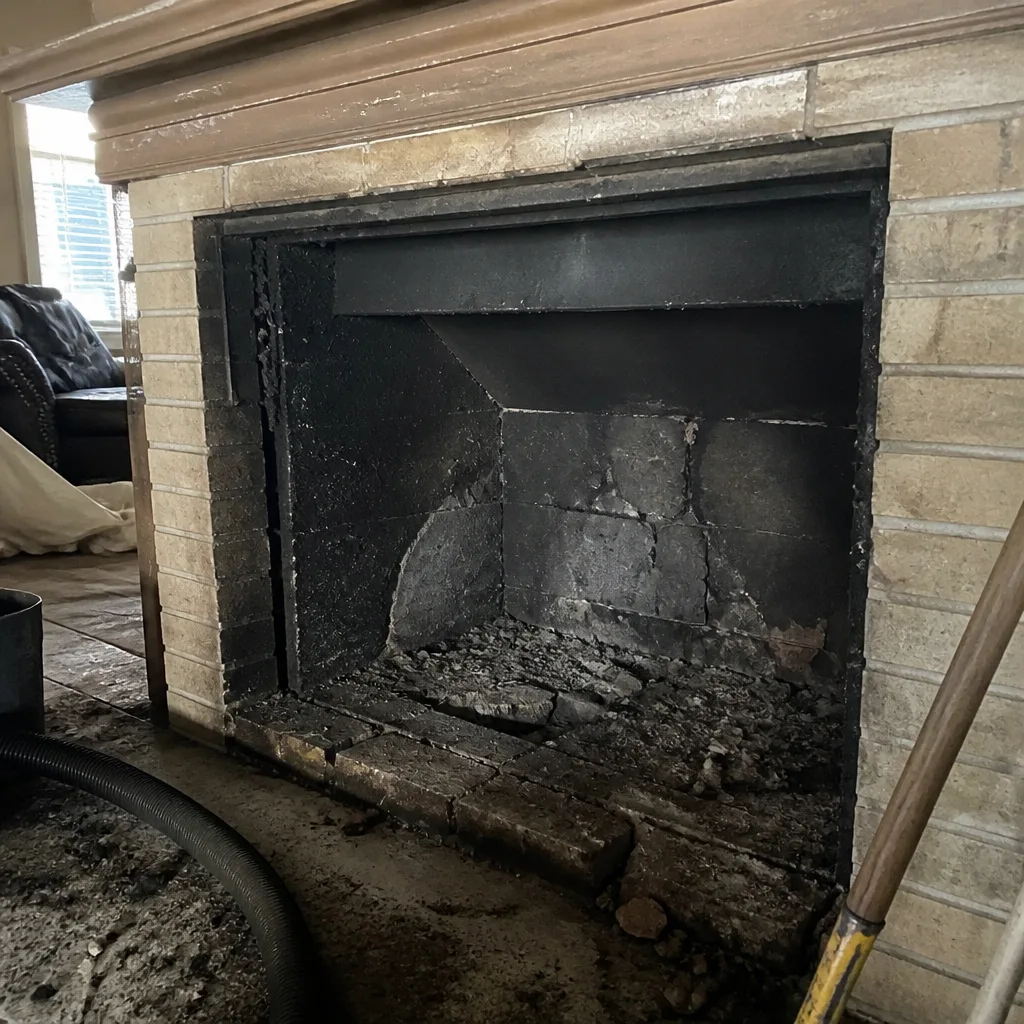
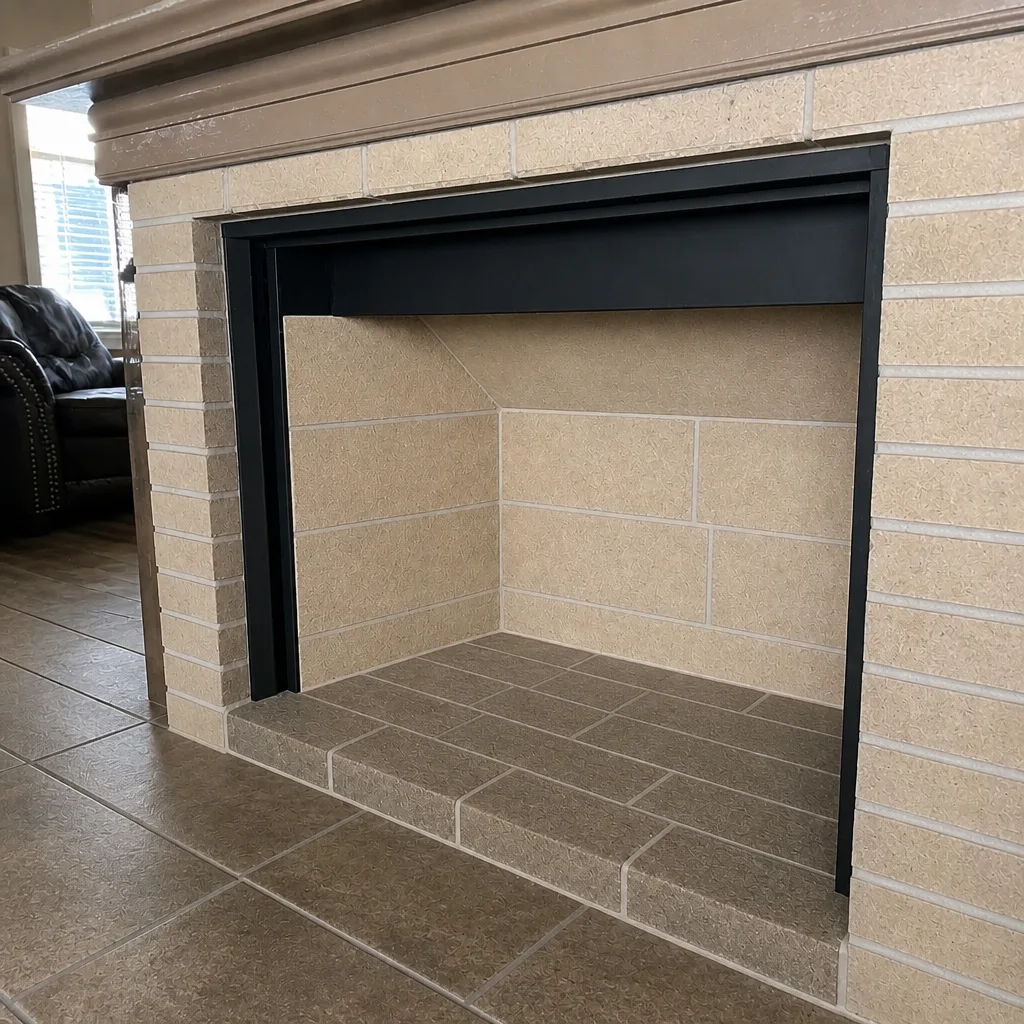
See the difference
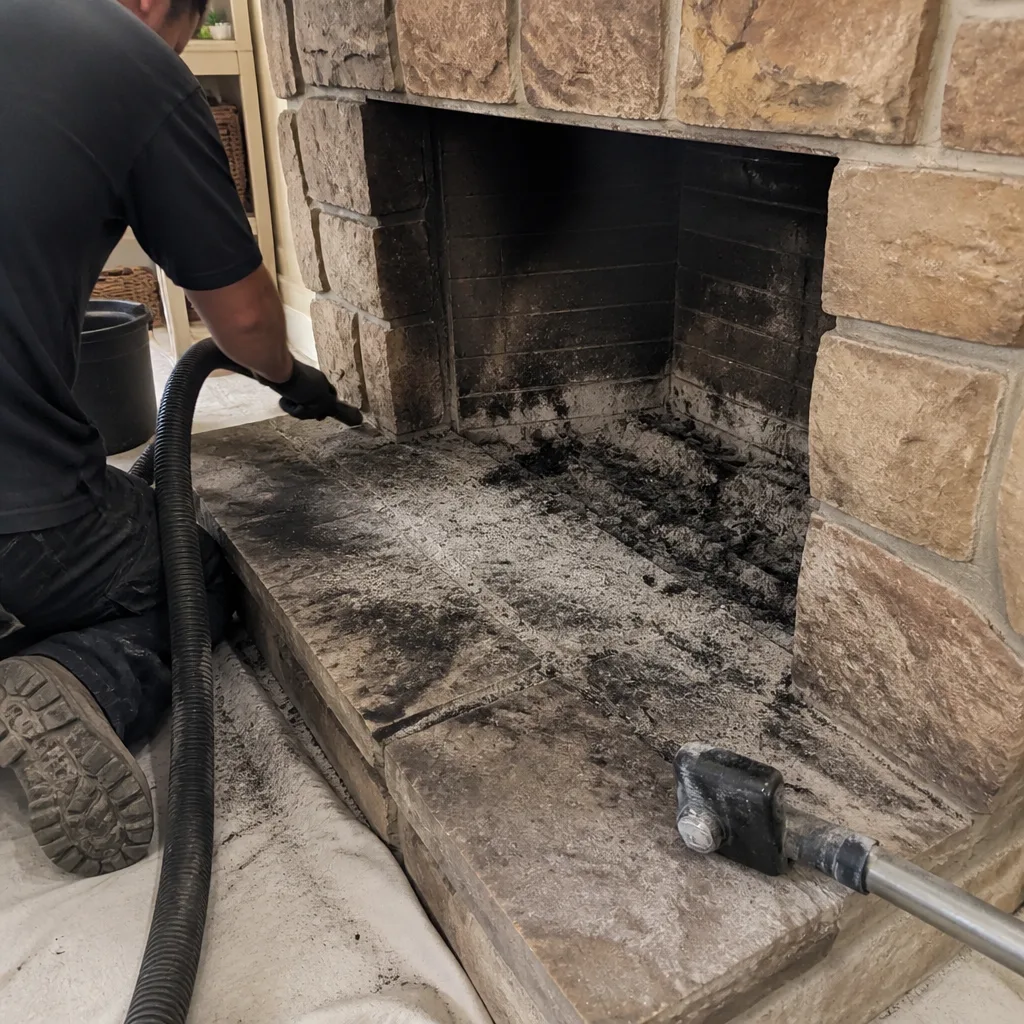 Before
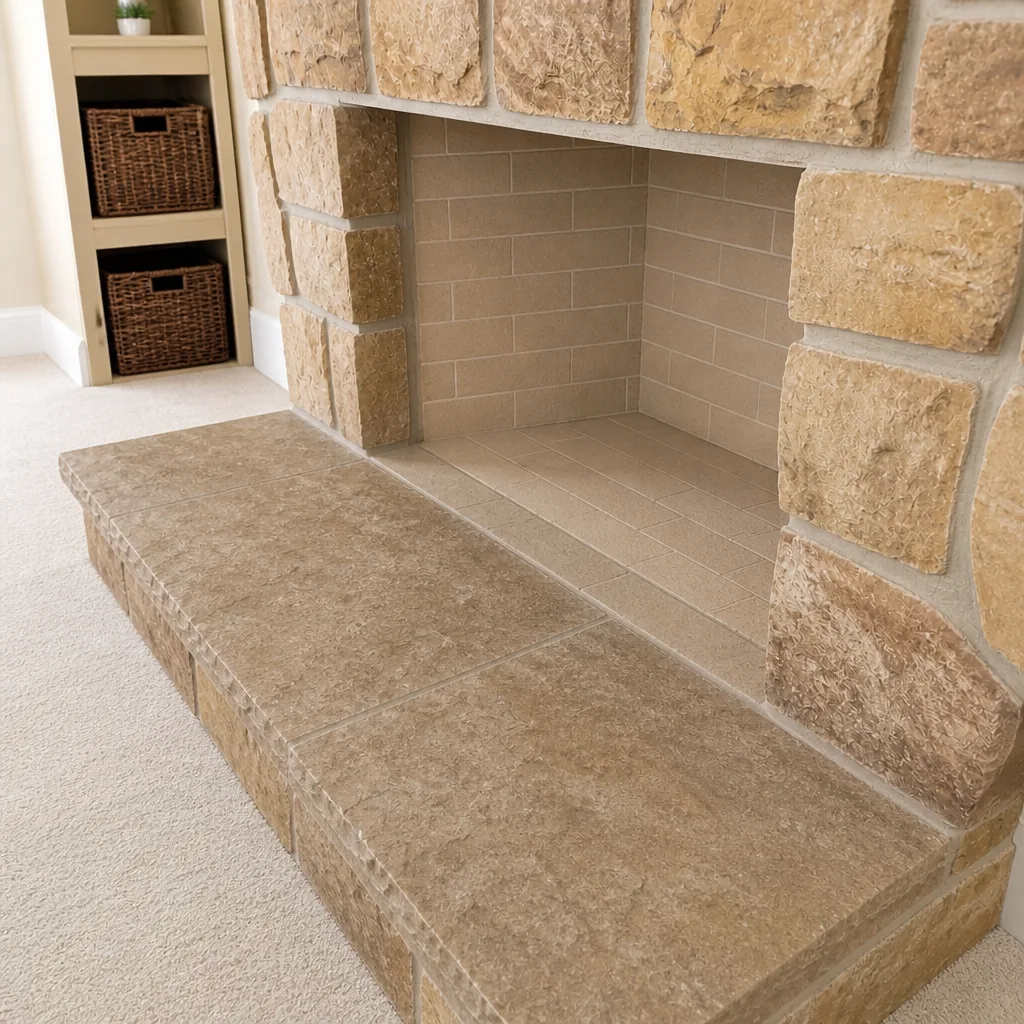 After
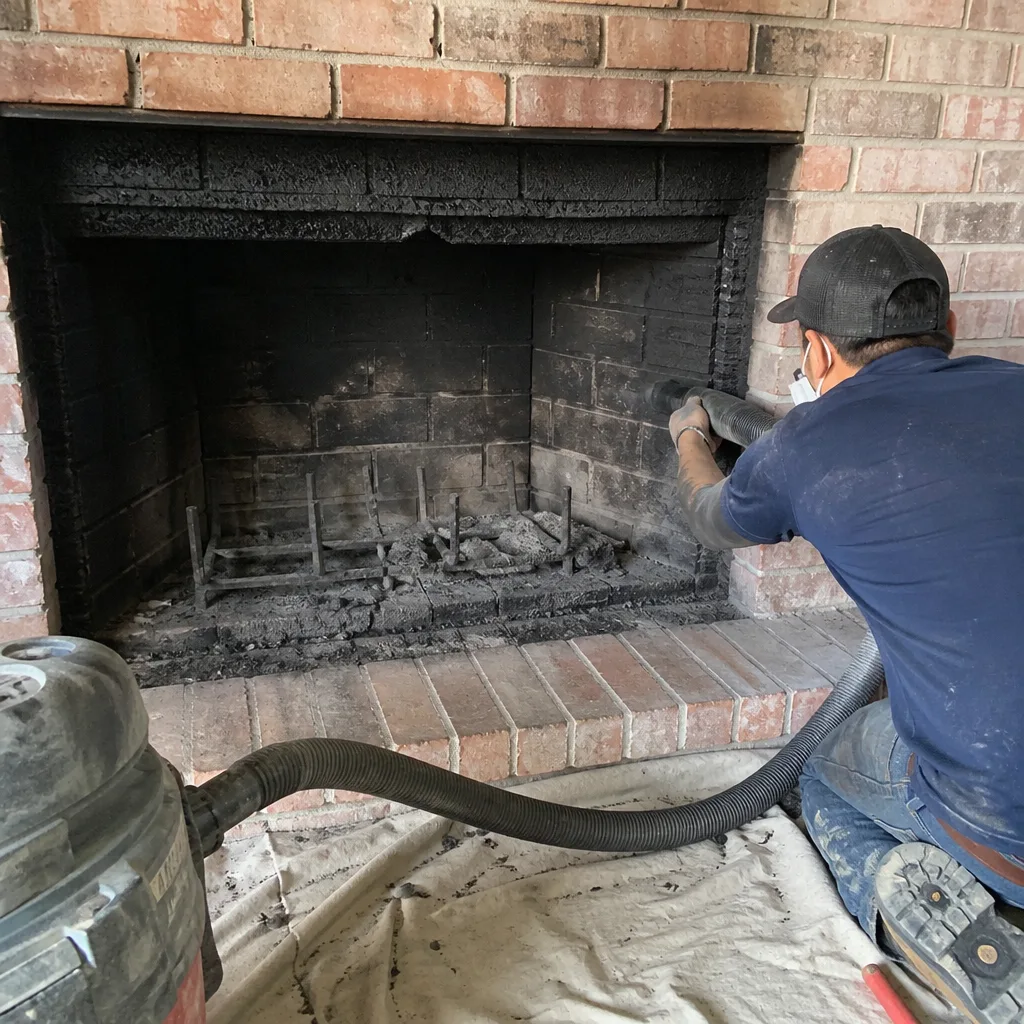 Before
 After
 Before
 After
When to Call a Professional
Some situations call for a trained technician rather than a wait-and-see approach. A strong smoky smell in the room even when the fireplace isn’t burning, visible creosote buildup on the flue walls, a damper that no longer opens or seals cleanly, or a fire that struggles to draw are all reasons to have the system inspected. If you’re buying or selling a home in Pearland and the inspection report doesn’t cover the chimney, that’s another reason. And if a previous contractor couldn’t tell you what brand of liner was installed, a professional inspection can identify what’s actually in the flue and whether it’s safe to keep using. Pearland Chimney Cleaning offers free estimates in Pearland, and our technicians have up to 15 years of experience. Call (866) 361-9474. We answer 24/7. Fast dispatch from 7am to 7pm, Sunday through Friday.
Frequently Asked Questions
Ask for an industry-recognized brand like DuraFlex or Olympia Chimney, with a specific model and temperature rating documented on the estimate. The brand name matters less than the contractor’s willingness to name it and back it up with manufacturer documentation. If a contractor can’t name the liner brand, that’s a reason to keep looking. Call (866) 361-9474 for an exact quote, and estimates are free.
Yes. Retail products are formulated for general use without knowing what type of creosote is in the flue. Professional-grade chemicals are matched to the creosote stage the technician finds after inspection, which is why stage 3 glazed creosote needs treatment a consumer product typically can’t handle. The right product follows the diagnosis, not the shelf. Call (866) 361-9474 to schedule an inspection and cleaning, and estimates are free.
Check the invoice. It should list the brand and model of every component installed, along with material specs, the work performed, photos from the inspection, and warranty details. If the invoice just says “swept and inspected” or “liner replaced,” ask for the itemized version before you pay. A professional who sourced branded materials can produce that document easily. Call (866) 361-9474 for a written estimate, and estimates are free.
Sometimes, yes, and sometimes no, depending on what the inspection finds. HeatShield is a liner restoration system that resurfaces a damaged clay flue, and it’s often less invasive and less costly than full replacement when the damage is surface-level. It’s not a fit for every situation. A camera inspection determines which path is right. Call (866) 361-9474 to schedule an inspection, and estimates are free.
They need to be specifically made for the application with published material specs, and a named brand is the easiest way to confirm that. A branded stainless cap or top-sealing damper has a manufacturer behind it, which means warranty chain and consistency. An unbranded component bought on price alone is more likely to rust, stick, or fail to seal. Call (866) 361-9474 to have your cap and damper inspected, and estimates are free.
Pearland’s mild winters mean chimneys don’t see the deep cold that hardens some liners up north, but the flue still handles heat, condensate, and combustion acids year after year. Material quality matters regardless of climate. A properly specified branded liner performs well in Pearland; an unbranded one can fail early no matter where it’s installed. Call (866) 361-9474 to talk through your system, and estimates are free.
The Bottom Line
The brand of liner, cap, damper, and cleaning chemistry a contractor uses tells you more about their standards than any price quote will. Everything else, from the estimate to the invoice, can be faked or fudged. A brand name can be verified. Ask what’s going in before the work starts, ask for a material spec on the estimate, and check the invoice after. If your contractor sources HeatShield, DuraFlex, Olympia Chimney, Famco, or Copperfield through professional channels, they’re likely buying from professional distribution across the whole system. If they can’t name a brand, that’s the signal. In Pearland, the brand conversation is the one most homeowners skip and the one that actually determines whether the work outlasts the warranty.
Ready to talk through your system? Call (866) 361-9474 for a free estimate. We answer 24/7. Fast dispatch from 7am to 7pm, Sunday through Friday.
Written by the team at Pearland Chimney Cleaning.