
Last updated November 15, 2026
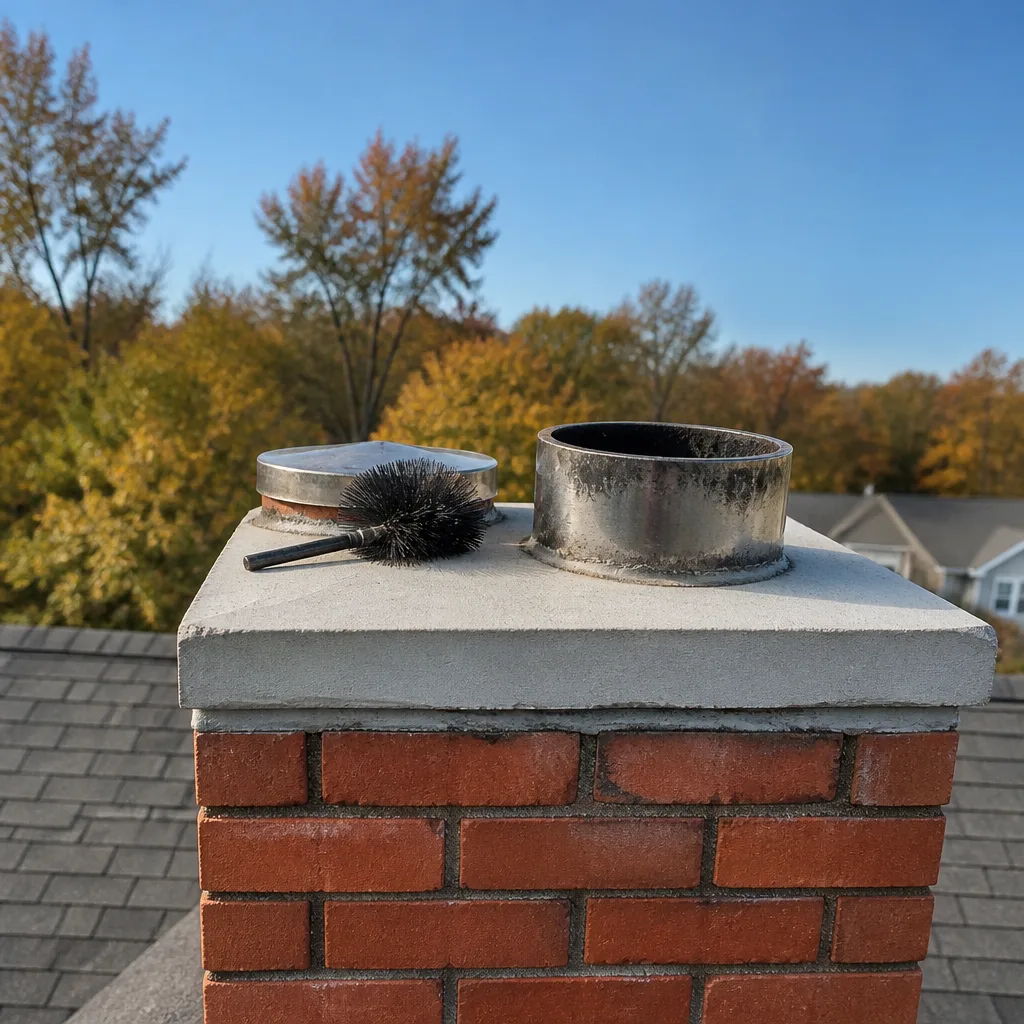 Sweep & inspection
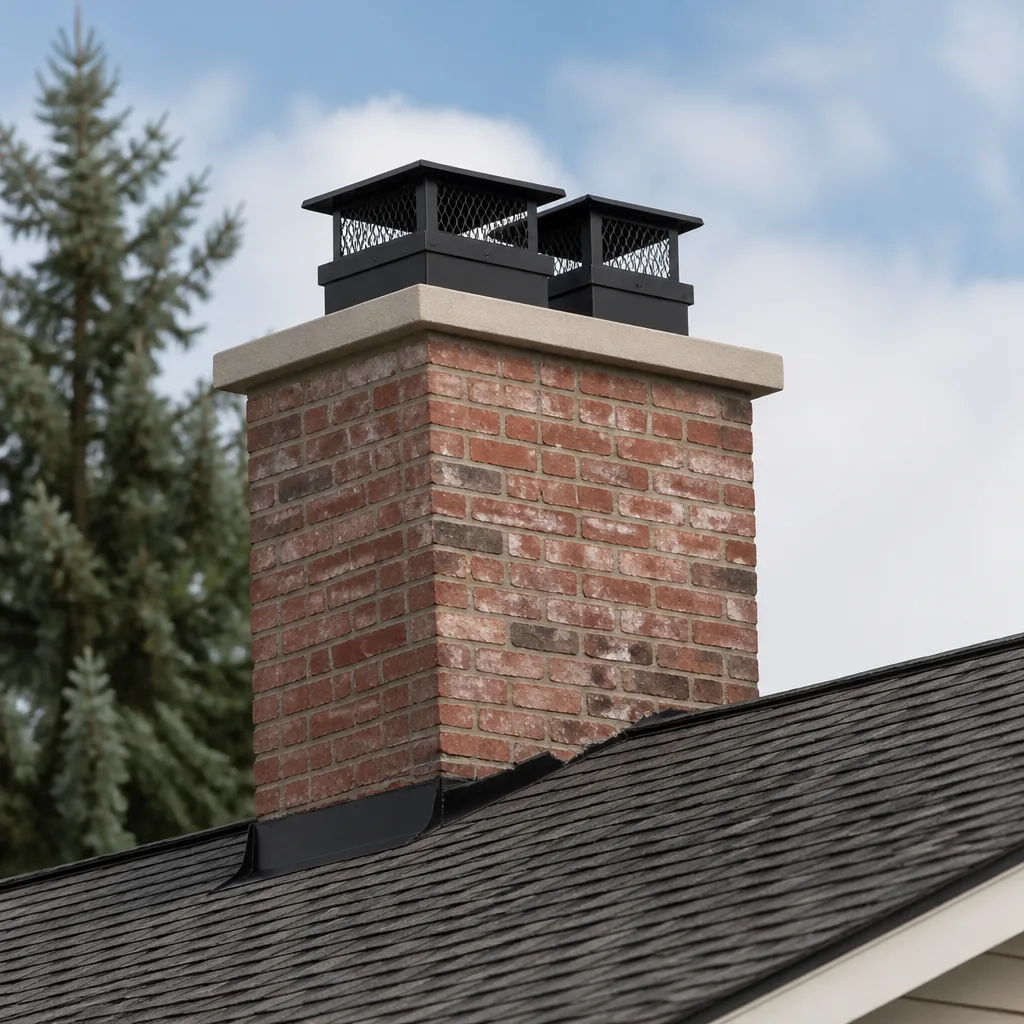 Caps & crowns
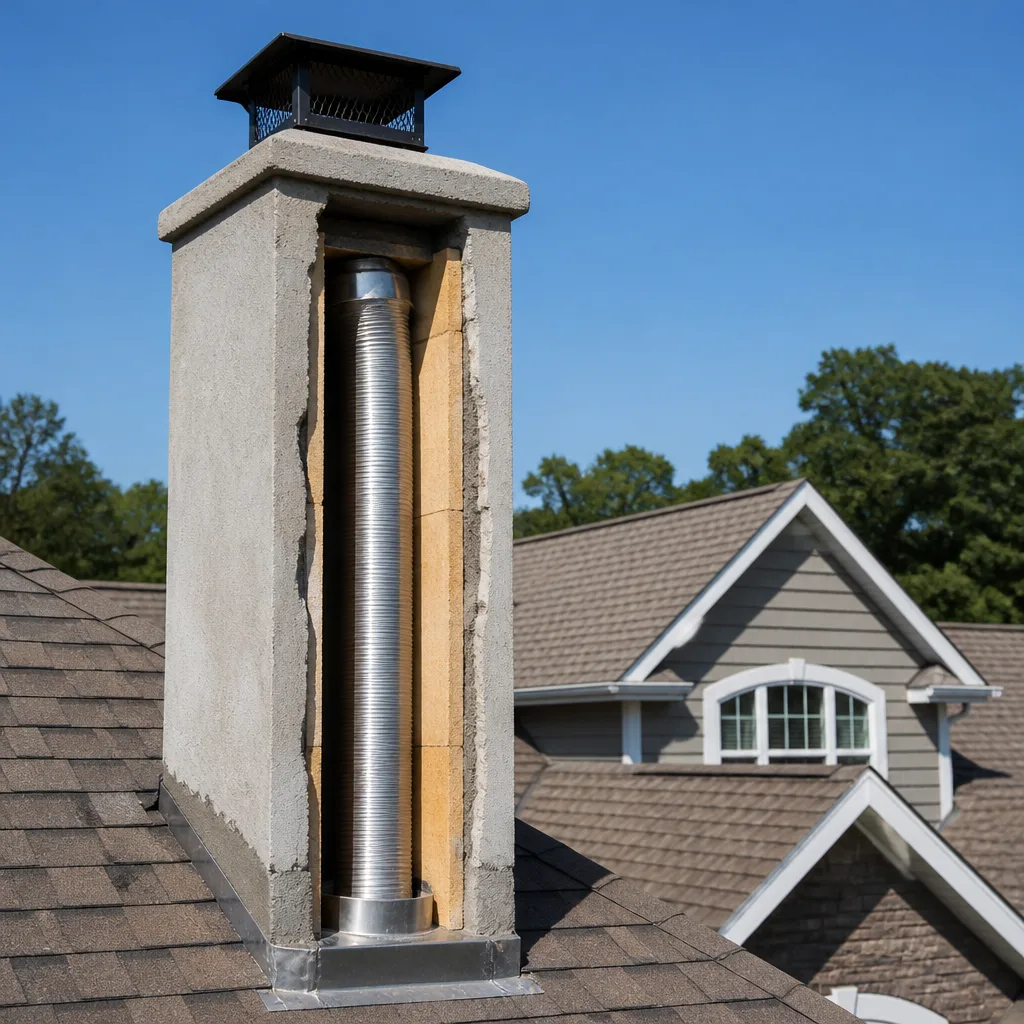 Flue relining
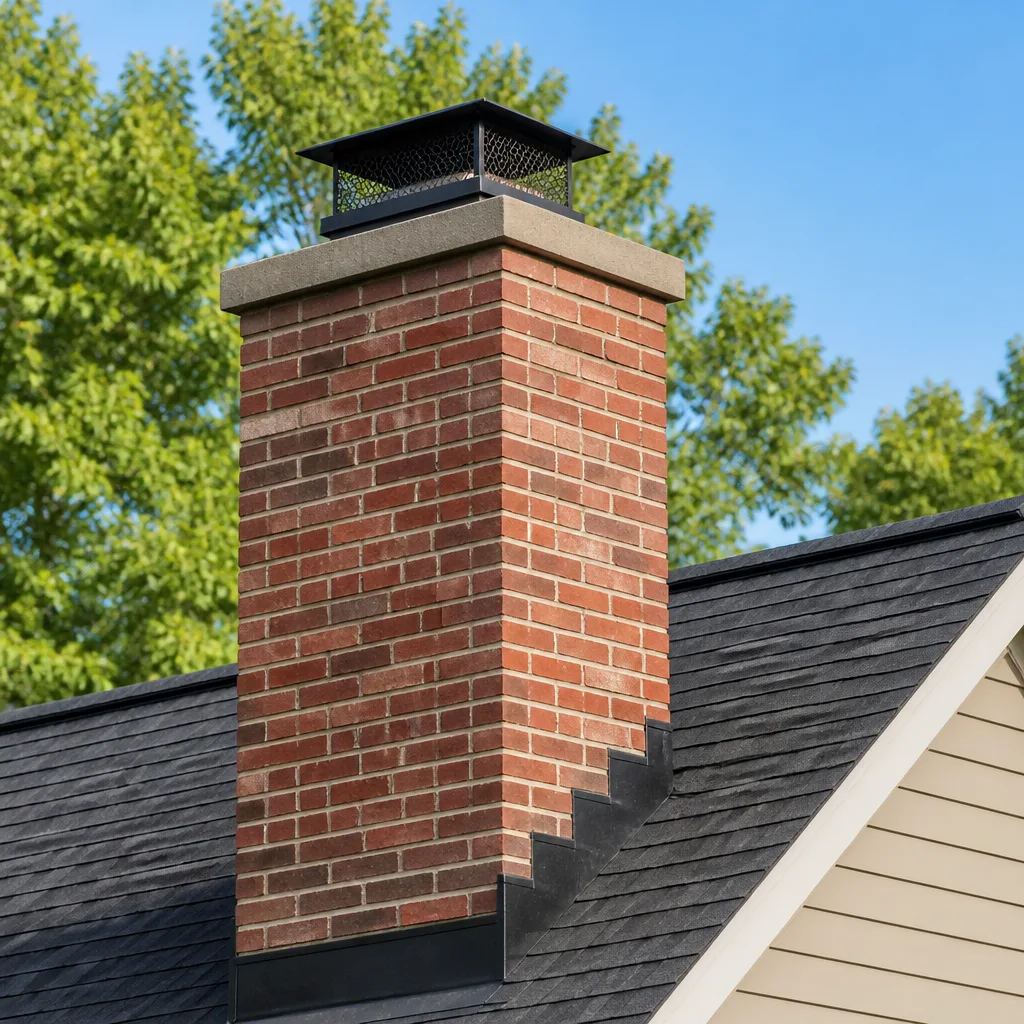 Masonry repair
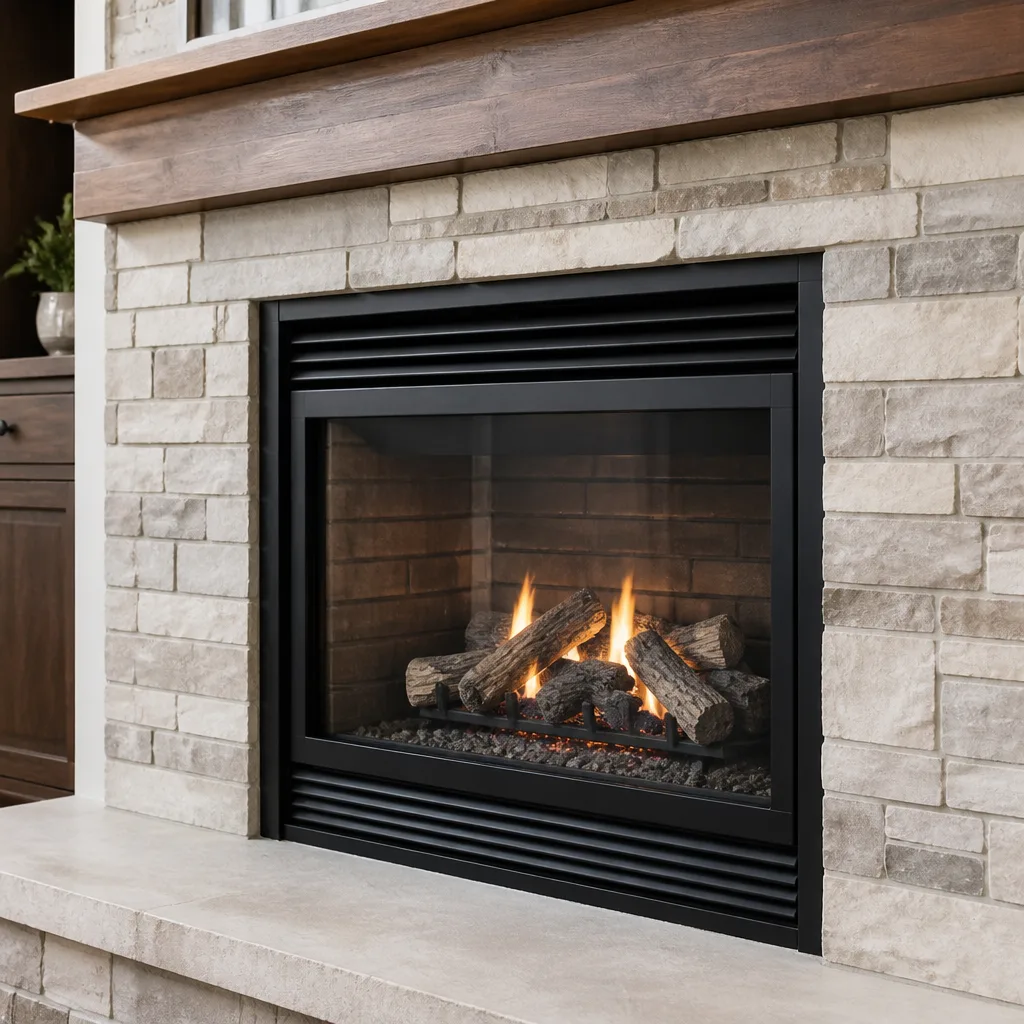 Gas fireplace service
Level 1 sweep and inspection to the NFPA 211 annual standard - flue, crown, cap, and flashing checked and photographed
Chimney sweep logs do not sweep chimneys. They loosen some creosote - which then falls where a brush and vacuum still have to collect it.
The Complete Guide to Chimney Cleaning in Pearland
Most chimney guides are written for cold-climate wood-burners who fire up nightly from October through March. Pearland homeowners use their fireplaces differently, and that changes everything about how and when to clean. Here, winters are mild enough that many fireplaces see a handful of fires in December and January, then sit idle the rest of the year. That low-and-slow pattern doesn’t make the chimney safer. It changes the kind of creosote that builds up and the timing that makes sense for a cleaning. You’ll learn how Gulf Coast humidity, Pearland’s housing stock, and the difference between a quick sweep and a full inspection affect what your chimney actually needs.
Styles & brands we work with
- Sweep & inspection
- Caps & crowns
- Flue relining
- Masonry repair
- Gas fireplace service
Quick Answer
Chimney cleaning in Pearland should happen once a year for most homes that burn wood, and spring is often the smarter time to schedule it because humidity and warm-weather moisture damage soot and creosote left sitting in the flue. A proper visit includes a Level 1 inspection with the sweep, so you get documented evidence of the system’s condition, not just a brushed flue. If your fireplace sees only occasional use, annual cleaning and inspection still apply; if it sees none at all, the inspection still matters.
Table of Contents
- Why Chimney Care in Pearland Is Different
- Creosote in a Mild-Climate Fireplace
- When to Schedule Your Cleaning
- What a Sweep Includes vs. What an Inspection Covers
- Prefab vs. Masonry: How Cleaning Protocols Differ
- What a Full-Service Lifecycle Appointment Actually Covers
- Chimney Inspections for Pearland Real Estate
- Common Mistakes to Avoid
- When to Call a Professional
Why Chimney Care in Pearland Is Different
National guides assume a long heating season and bone-dry firewood. Pearland doesn’t run that way. The local climate brings high humidity through much of the year, mild winters, and heavy clay soil under most of the housing stock. Each of those affects a chimney in ways a generic guide never mentions.
The humidity is the big one. Soot and creosote are mildly acidic, and when they sit in a flue through a humid spring and summer, moisture lingers against the flue walls longer than it would in a dry climate. That doesn’t mean the chimney crumbles overnight, but it does mean leaving a dirty flue sitting through a Pearland summer is worse for the liner than leaving it dirty in a cold, dry state. Cleaning after the burning season, rather than waiting for fall, removes the residue before the humid months do the most sitting-and-stewing.
Clay-heavy soil matters for masonry chimneys. Clay holds moisture against the foundation and the lower exterior of a chimney, which can show up as efflorescence, spalling brick, or a crown that cracks sooner than in a sandy-soil region. Cleaning visits are the natural time to catch those exterior symptoms early, long before they turn into rebuild territory. We’ve seen plenty of chimneys in Pearland where a small crown repair made in spring avoided a much larger masonry job a few years later.
Mild winters also mean more shoulder-season use than homeowners expect. A cold snap in February pulls people to the fireplace just as much as a long December does. When use is unpredictable and spread out, the annual cleaning and inspection becomes the reliable checkpoint, not the weather.
Creosote in a Mild-Climate Fireplace
Creosote is the residue of incomplete combustion. It forms in three stages, and the stage depends on how hot, how clean, and how often a fire burns. In places where fireplaces run nightly for months, the goal is to keep creosote from advancing past stage one. In Pearland, the risk is a different pattern: fires that never get hot enough to clear the flue on their own.
How first-stage creosote builds in a low-use fireplace
Stage-one creosote is flaky, soot-like, and easy to brush. It’s what forms when a fire is small, the wood is damp, and the flue is on the cool side. Each of those conditions shows up often in Pearland. A homeowner starts a fire on a mild evening just to take the chill off, uses a couple of pieces of hardwood, and lets it burn down before bed. The fire never heats the flue enough to keep the vaporized creosote moving up and out. It condenses on the flue wall instead. Repeat that a dozen times across a mild winter and you’ve accumulated a surprising layer of stage-one creosote even though “we barely use it.”
Why low-temperature fires can be worse than frequent ones
A hot, well-fed fire sends its smoke up and out with little leftover on the flue walls. A small, smoldering fire is the opposite: the exhaust is cooler, the burn is incomplete, and more residue settles. Some of the heaviest soot buildup we find in Pearland homes comes from people who pride themselves on a handful of fires per year. The number of burns isn’t the issue. It’s the temperature of each one.
What this means for cleaning frequency
- Burn wood regularly in season? Clean annually and inspect with the sweep.
- Burn occasionally with small, short fires? Clean annually anyway, because the residue still accumulates.
- Burn on a sawhorse-style firepit or an outdoor fireplace? That’s a different system; an indoor chimney cleaning doesn’t cover it.
- Burned once or twice in a year and nothing since? Still get an inspection, because you can’t see the flue from the firebox.
The seasonal timing matters as much as the frequency. Skipping a cleaning after a low-and-slow season leaves the exact residue that Gulf Coast humidity makes worse. That’s why we schedule most Pearland cleanings in spring, not fall.
When to Schedule Your Cleaning
For most Pearland homes, the smartest time to schedule a chimney sweep is late winter or spring, after the burning season ends and before the humidity sets in. There are two reasons. First, a clean flue through the humid months avoids the sitting-and-stewing problem described above. Second, spring gives you time to address whatever the inspection turns up before you want to light the first fire of the next season.
The case for spring cleaning
- Burning season ends: the last fires typically go out by late winter or early spring in this part of Texas.
- Residue is fresh: a cleaning right after the season removes the soot before moisture has weeks to work against the flue.
- Inspection findings get addressed: any small repair the inspection turns up can be sorted before fall, not rushed through.
- Humid months pass with a clean flue: you head into the next season with a chimney that’s spent the summer clean and dry.
When fall cleaning makes more sense
A fall cleaning is the right call if you skipped spring, if you only moved in mid-year, or if you’re coming back to a fireplace that hasn’t been touched in a few seasons. It’s also the move if a home inspection flagged something and you want the chimney swept before the first burn. Fall cleaning is fine; it just means carrying residue through the humid months that spring cleaning would have cleared out. Either way, one cleaning per burning season is the standard most chimney professionals in Pearland work to.
Scheduling logistics
We answer 24/7 and dispatch Sunday through Friday, 7am to 7pm. We’re closed Saturday. Spring slots fill up quickly in this region because everyone comes back from a mild winter thinking about the same thing, so booking earlier in the season is easier than booking in the last warm weeks before fall.
What a Sweep Includes vs. What an Inspection Covers
A sweep cleans the flue. An inspection documents the condition of the whole chimney system from the firebox to the crown. On our visits, the two happen together, because a cleaning without an inspection tells you the flue is cleaner but not whether it’s safe. That distinction is the reason we built our Pearland Chimney Cleaning service around the whole-system check rather than a brush-and-go visit.
Level 1 inspection: what it covers
A Level 1 inspection is the standard check that pairs with an annual sweep. It covers all readily accessible parts of the chimney and venting: the firebox, the damper, the smoke chamber, the visible flue, and the exterior from ground level where it can be seen. There’s no video camera work and no opening of concealed spaces. Level 1 is what most Pearland homes need for a routine annual visit when nothing has changed in the system and use is limited to one fireplace.
Level 2 inspection: when it applies
A Level 2 inspection includes everything in a Level 1 plus a camera inspection of the flue, and access to areas that aren’t otherwise visible. It’s the right level when:
- You’re buying or selling a home, or a real estate transaction is underway.
- You’ve changed fuel types, replaced an appliance, or had a chimney fire.
- You’re adding a new heating appliance or connecting a stove to the flue.
- An earthquake, severe weather event, or other sudden occurrence affected the structure.
- The last inspection left doubt about a section of the flue that couldn’t be seen.
The photo report from a Level 2 inspection is what makes it useful for insurance documentation and real estate files. You can see exactly what the camera saw. Nothing gets recommended without evidence you can review yourself.
Why inspection first is the discipline we hold to
We inspect first, then recommend. That order rules out the upsell problem homeowners worry about the most: being told a liner or repair is needed when it isn’t. If the evidence isn’t in the camera footage or the visible condition of the system, we say so. It also means the same company that cleans the flue can fix what the inspection turns up, with no handoff to a second contractor.
Prefab vs. Masonry: How Cleaning Protocols Differ
Pearland has a mix of both chimney types, and cleaning protocols are not the same for each. The right approach depends on the material of the flue and how the chimney was built, not just on the amount of soot inside it.
Prefab zero-clearance fireplaces
Prefabricated fireplaces and factory-built chimney systems use insulated metal flues and are common in newer homes across Pearland. Cleaning them requires care with the flue components: the metal liners and any gaskets or seams need to be checked, not just brushed. An aggressive sweeping method can damage a metal flue segment, so the technician needs to know the system’s brand and specification before starting. The inspection matters more here than in masonry, because a compromised prefab flue isn’t visible from the outside.
Masonry chimneys
Traditional masonry chimneys with clay-tile liners require a different touch. The flue tile is robust but brittle. An improperly run sweep can crack a flue tile, especially when a previous technician forced the brush through a misaligned section. The masonry parging inside the smoke chamber and the mortar joints above the firebox are also part of what a cleaning visit checks. On masonry chimneys, exterior observation during the visit catches the small issues that show up on Pearland clay soil: a cracked crown, efflorescence, spalling brick.
Why the brand of the parts matters
When a cleaning visit turns up a problem that needs a part or repair, the quality of the material makes the difference between a fix that holds and one that doesn’t. We work with professional-grade chimney product brands including DuraFlex, Olympia Chimney, Gelco, and HeatShield. On a prefab system, a matching DuraFlex or Olympia Chimney flue component keeps the system operating within its design. On a masonry chimney with a damaged liner, HeatShield is a restoration alternative to full liner replacement, and we lean on it when the liner’s condition allows. These are the parts chimney professionals learn to trust; they’re the reason we don’t source from big-box hardware stores.
What a Full-Service Lifecycle Appointment Actually Covers
A sweep-only visit cleans the flue and stops there. A full-service lifecycle appointment cleans, inspects, and stands ready to repair on the same diagnosis. Those are different levels of service, and the differences are what most homeowners don’t see until something goes wrong.
What a sweep-only visit leaves out
- No documentation of the flue’s condition from above.
- No camera footage of the smoke chamber or upper flue.
- No coverage of the exterior chimney or crown.
- No accountability when the next contractor finds a problem the last one missed.
What our full-service visit includes
- Sweep: cleaning the firebox, damper, smoke chamber, and flue using methods matched to the chimney’s type.
- Inspection: a Level 1 inspection with the sweep (or Level 2 when the situation calls for it), with a photo report for anything worth documenting.
- Diagnosis: a written recommendation that separates what needs attention now from what can safely wait.
- Repair: if the diagnosis calls for it, our chimney repair service handles the fix with the same company, no handoff.
The single-source setup is the point. When the sweep, the inspection, and the repair all run through one company, there’s no gap where a sweep-only contractor points at the repair crew or the repair crew points back. We identify it, we fix it. That’s the standard we hold the whole lifecycle of a Pearland chimney to.
The repair options our service covers
Lifecycle care for a Pearland chimney means being able to address what the inspection finds without turning it into a full masonry rebuild. That includes liner restoration with HeatShield when the liner’s condition allows a restoration rather than a full replacement; relining with DuraFlex or Olympia Chimney when the system calls for it; crown repair; and component-level repairs common to prefab systems. The repair recommendation comes out of the inspection evidence, not out of what the crew happens to have on hand.
Our technicians have up to 15 years of experience. That experience shows up in the diagnosis: knowing which flue conditions mean “fix now” and which mean “monitor next year.”
Chimney Inspections for Pearland Real Estate
Chimney inspections in Pearland matter for real estate deals, and the Level 2 inspection is what a credible report uses for a transaction. A home inspection will often flag the chimney as “not evaluated,” which puts the buyer and seller in a spot: someone has to document the condition of the flue before the deal closes or the buyer takes on a system that could need thousands of dollars of work with no evidence either way.
Why a Level 2 inspection belongs in a real estate file
A Level 2 inspection produces camera footage and photos of the flue interior, the smoke chamber, and the accessible exterior. That report is what lets a buyer see the actual condition of the system, and what lets a seller demonstrate that a chimney has been taken care of. It’s also the report a buyer can hand to an insurer when the chimney becomes part of the insured property. The difference between “the inspector said the chimney wasn’t evaluated” and “here’s the camera footage of the flue” is the difference between an open question and a closed one.
What to schedule before or during a transaction
- Sellers: a Level 2 inspection before listing so any issue surfaces before a buyer’s inspector finds it.
- Buyers: a Level 2 inspection during the option period, with the report in hand for negotiation.
- Agents: a documented inspection the file can point to if the transaction gets into renegotiation.
- Insurers: the photo report as documentation when the chimney becomes part of a policy.
The camera footage is what makes the report useful, because it settles the question of whether work is needed with evidence. Nothing gets recommended on a hunch or a general observation; the report carries the specifics.
Common Mistakes to Avoid
- Assuming occasional use means the chimney can wait. Low-and-slow fires in a mild winter can build first-stage creosote as effectively as a hot nightly fire. The cleaning schedule depends on the type of residue, not on how many fires were lit, and one cleaning per burning season is the standard most Pearland homes need.
- Waiting until fall to clean. A dirty flue sitting through Pearland’s humid spring and summer gives soot and creosote weeks of moisture to work against the liner. Spring cleaning removes the residue before the humid months, when it does the most sitting damage.
- Treating a sweep as the whole service. A sweep cleans the flue but doesn’t document the system’s condition. Without the inspection that should come with the sweep, a flue tile crack or a crown issue goes unseen until it’s a bigger repair.
- Booking a sweep-only contractor for a repair problem. A sweep-only crew will clean the flue, point to a repair they don’t perform, and leave the homeowner to find a second contractor. One company that handles sweep, inspection, and repair closes that gap.
- Accepting a repair recommendation without evidence. If a technician says a liner is failing, ask to see the camera footage or the physical condition they’re responding to. We document what the camera shows and say plainly when a repair can safely wait; a recommendation without evidence is one to question.
- Cleaning a prefab flue with masonry methods. Factory-built flues are built to tighter tolerances than masonry, and aggressive brushing can damage a metal liner component. Make sure the technician knows the system’s brand and type before any work starts.
- Skipping the inspection on a house you’re buying. The standard home inspection often doesn’t evaluate the chimney interior. A Level 2 inspection during the option period is the one chance to see the flue before the deal closes.
When to Call a Professional
Call a professional when the burn changes (more smoke backing into the room, less draft, a fire that smells different), when the chimney’s exterior shows cracked mortar, spalling brick, or a crown that’s failing, or when you’re buying or selling a home and the chimney hasn’t been documented. Call when you’ve never had the chimney looked at and don’t know the last time it was cleaned. Call when a fire has burned badly or when you’ve found anything unusual in the firebox after a burn. Call if you’re not sure how often to schedule the next visit; a documented inspection sets the schedule on evidence rather than guesswork.
Pearland Chimney Cleaning offers free estimates in Pearland. Call (866) 361-9474. We answer 24/7. Fast dispatch from 7am to 7pm, Sunday through Friday.
Frequently Asked Questions
A standard chimney sweep with a Level 1 inspection typically runs in the low-to-mid hundreds of dollars in the Pearland market, and the written estimate sets the final price. A Level 2 inspection costs more because it includes camera work and photography. Repair pricing depends entirely on what the inspection finds; liner restoration is less costly than full liner replacement when the condition allows it. Call (866) 361-9474 for an exact quote. Estimates are free.
Once per burning season for most homes that burn wood, even if the fires are small and occasional. Low-temperature fires common in Pearland’s mild winters build residue efficiently, so frequency follows the burn pattern, not the calendar. Schedule in spring after the burning season ends to remove the residue before the humid months. Call (866) 361-9474 to book.
Only a documented inspection can tell you whether a liner actually needs replacing, and the recommendation should come with footage or visible condition you can review yourself. A liner in reasonable condition may only need a restoration rather than full replacement, which is less invasive and less costly. If a technician can’t show you what they’re seeing, ask to see it before agreeing to anything. Our recommendation comes out of the inspection evidence. Call (866) 361-9474 for a documented inspection.
A sweep cleans the flue; an inspection documents the condition of the whole system from the firebox to the crown. A Level 1 inspection pairs with an annual sweep and covers the readily accessible parts. A Level 2 adds a camera inspection of the flue and access to concealed areas, and it’s what real estate transactions and insurance documentation typically call for. Both happen together on our visits, so you get documentation, not just a cleaner flue. Call (866) 361-9474 to book a visit.
Yes, and the cleaning protocol differs. A prefab system uses insulated metal flue components, so the technician needs to know the brand and configuration before starting; aggressive brushing can damage a metal flue. Masonry chimneys with clay-tile liners need a different approach that won’t crack the tile. We work with professional-grade parts from DuraFlex and Olympia Chimney when a prefab system needs a component, so the repair matches the system’s design. Call (866) 361-9474 to schedule.
Because a dirty flue sitting through Pearland’s humid spring and summer is worse for the liner than a dirty flue in a cold, dry climate. Cleaning after the burning season removes the soot and creosote before the humid months. Spring also leaves time to address any inspection finding before the next fire. Fall cleaning still works if you missed spring; one cleaning per season is the standard. Call (866) 361-9474 to book the visit.
The Bottom Line
Chimney cleaning in Pearland isn’t the same job it is in cold-climate regions. Mild winters, low-temperature fires, and Gulf Coast humidity create a specific creosote pattern: residue builds even when a fireplace is used lightly, and leaving it through the humid months does the liner no favors. Schedule the cleaning in spring, pair it with a Level 1 inspection every time (or a Level 2 for real estate and other transaction work), and pick a company that can both diagnose and repair. From the firebox to the crown, one company covering sweep, inspection, and repair, with professional-grade parts from HeatShield, DuraFlex, Gelco, and Olympia Chimney, is what keeps a Pearland chimney on a documented, evidence-based schedule.
Call (866) 361-9474 for a free estimate. We answer 24/7. Fast dispatch from 7am to 7pm, Sunday through Friday.
Written by the team at Pearland Chimney Cleaning.
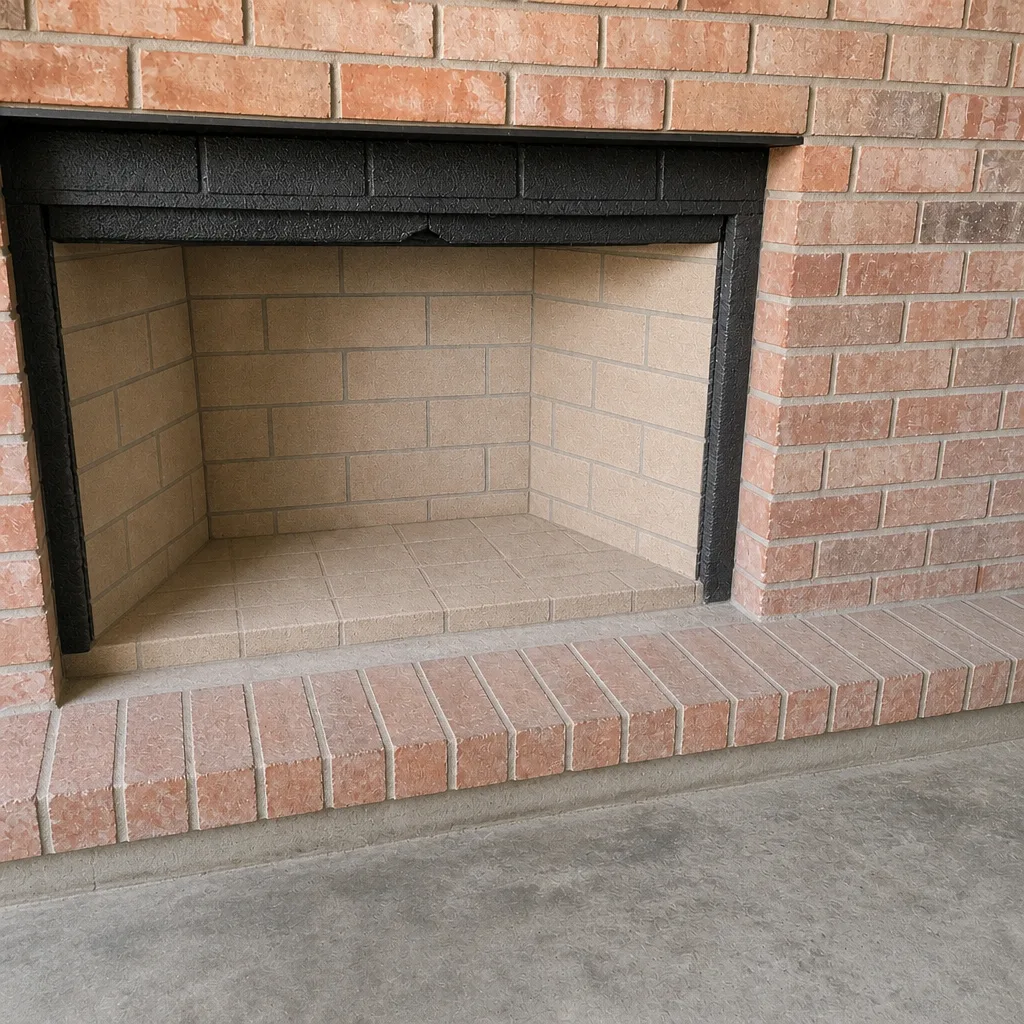
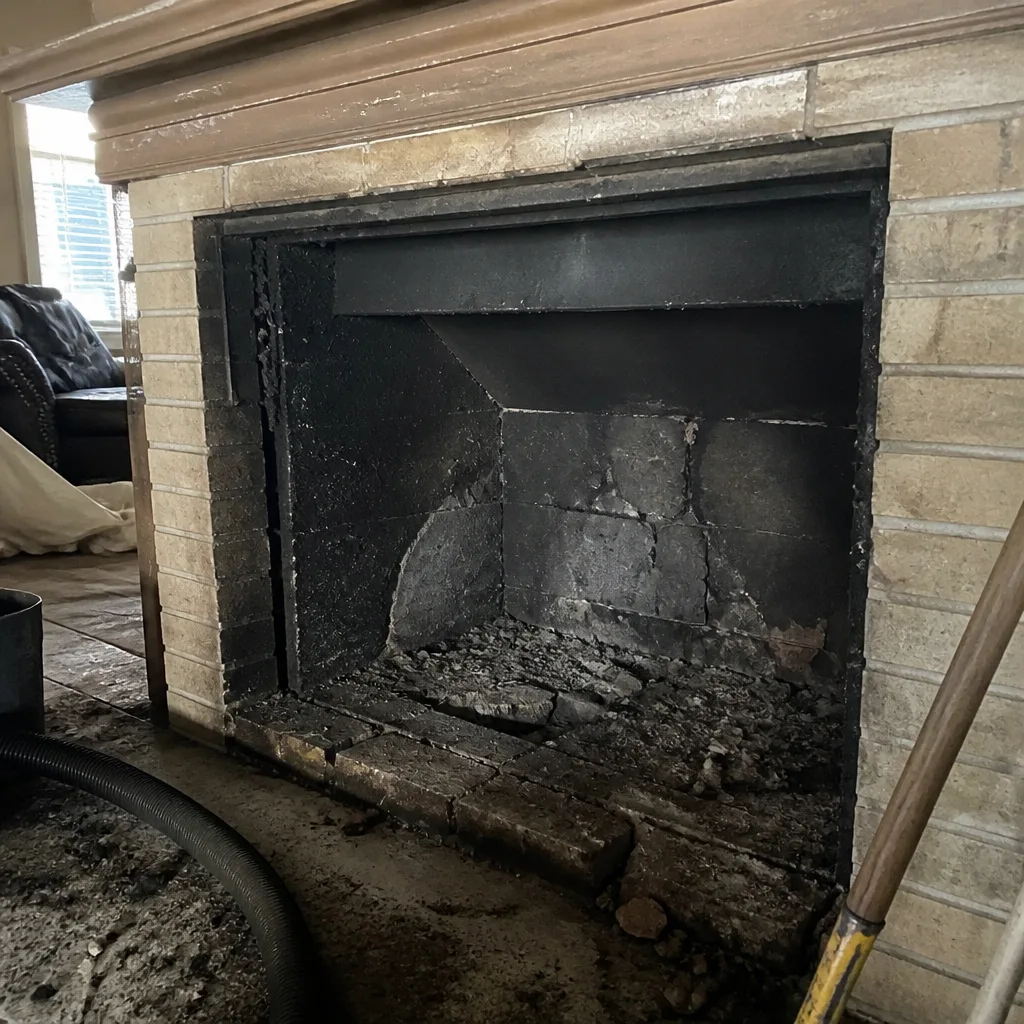
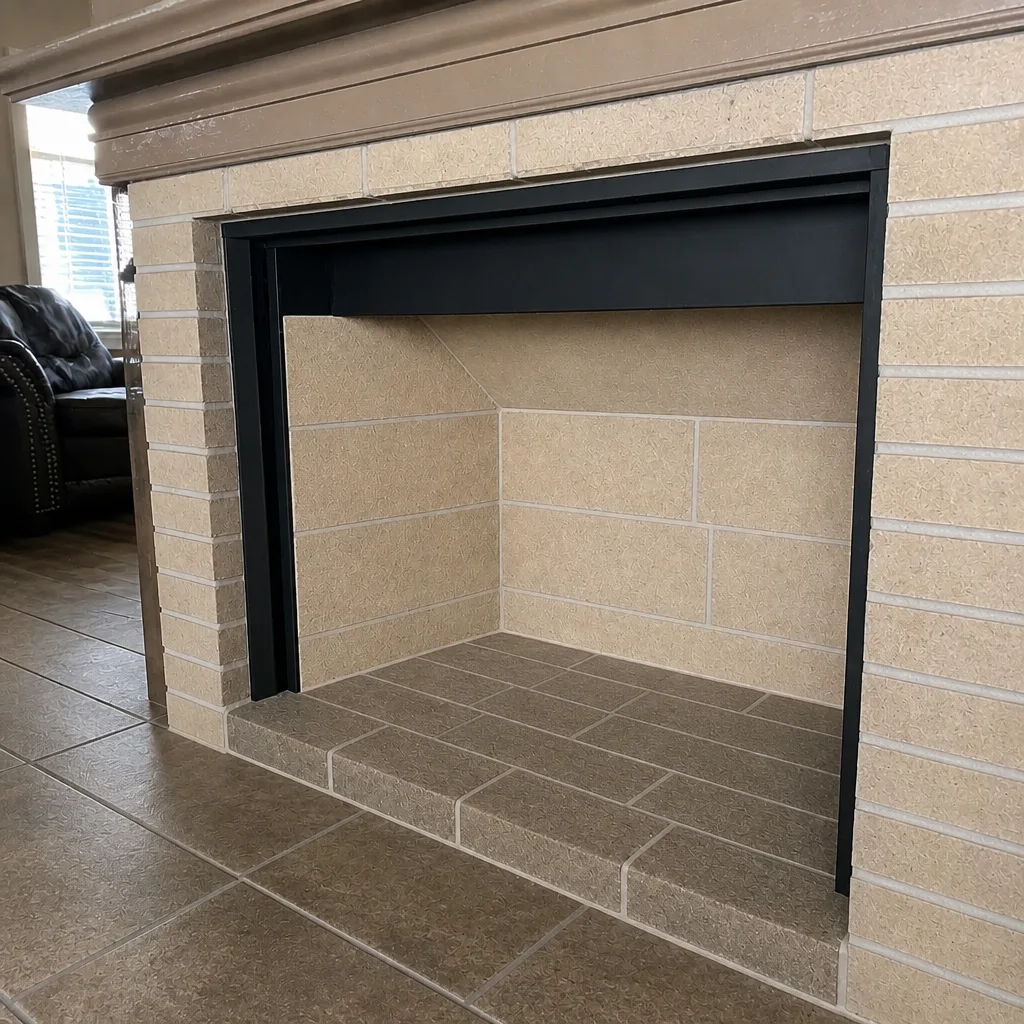
See the difference
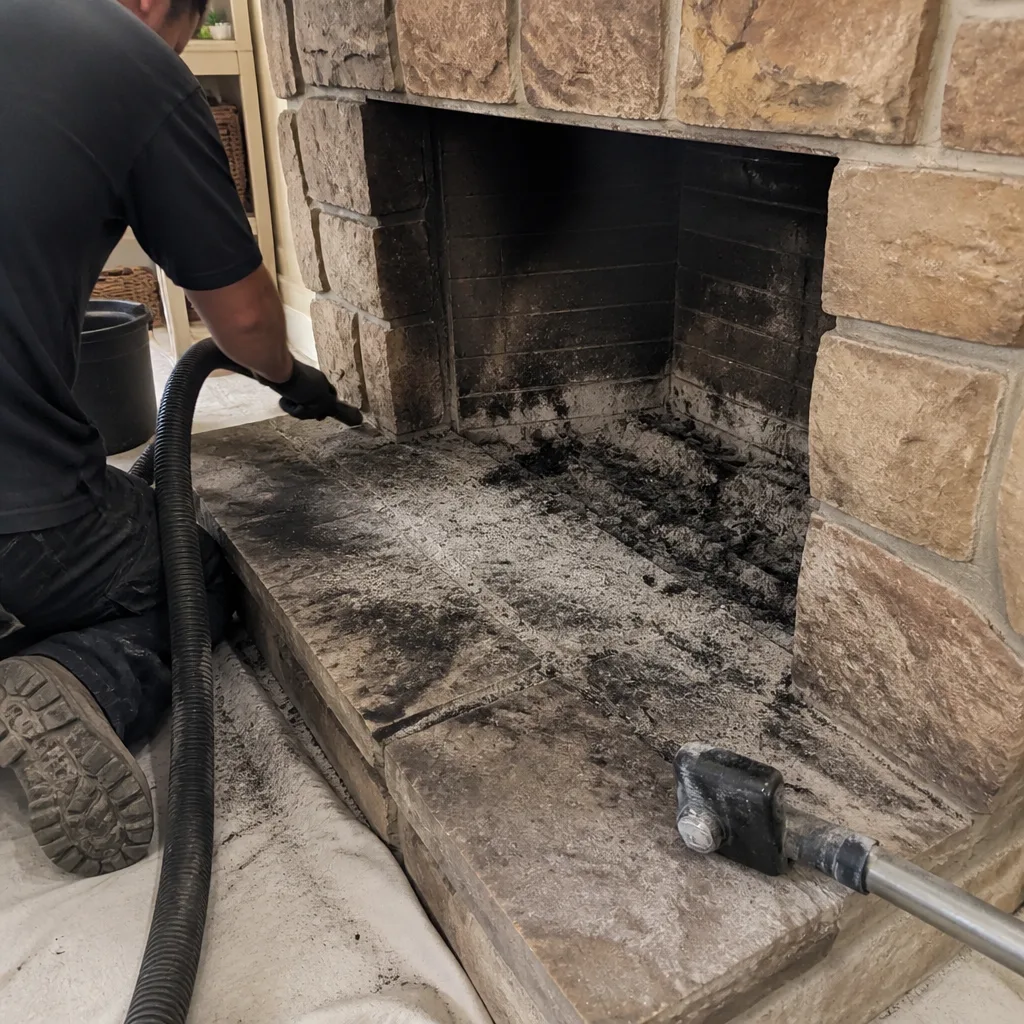 Before
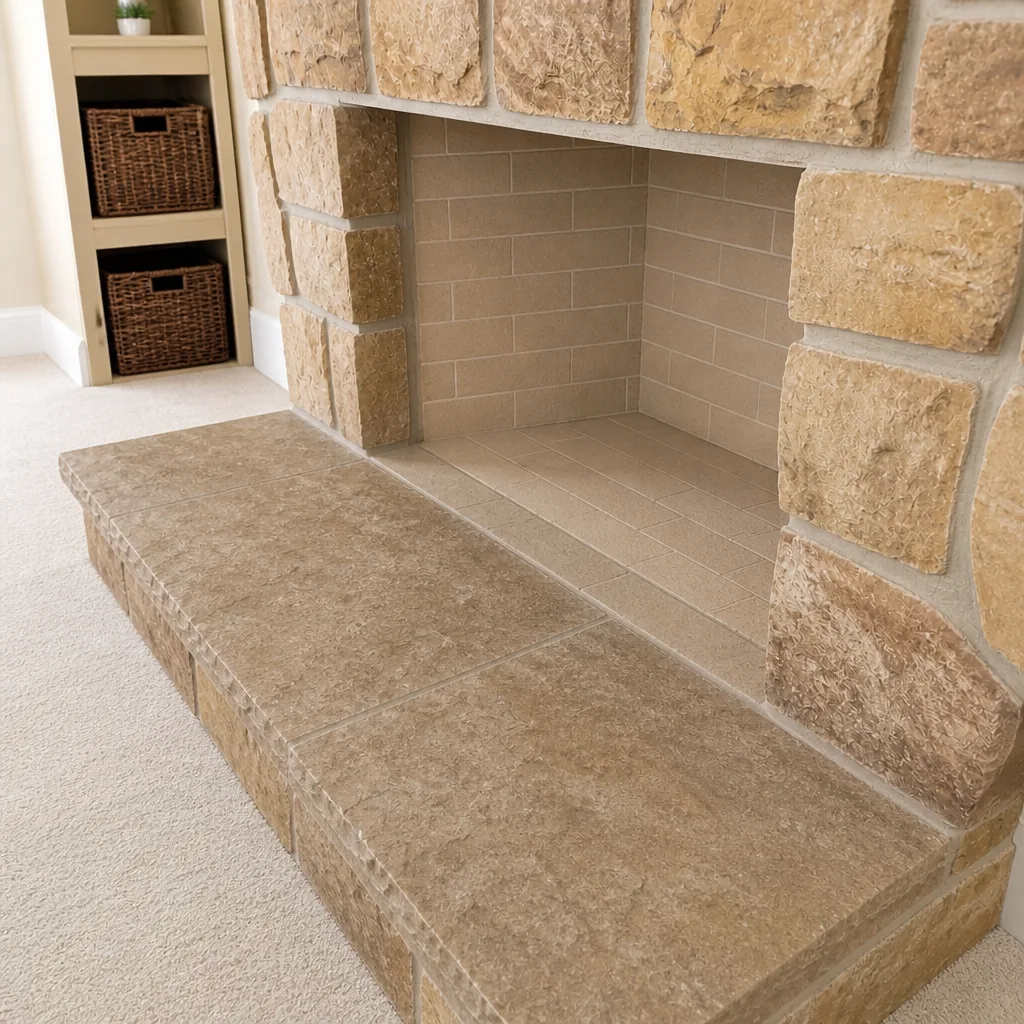 After
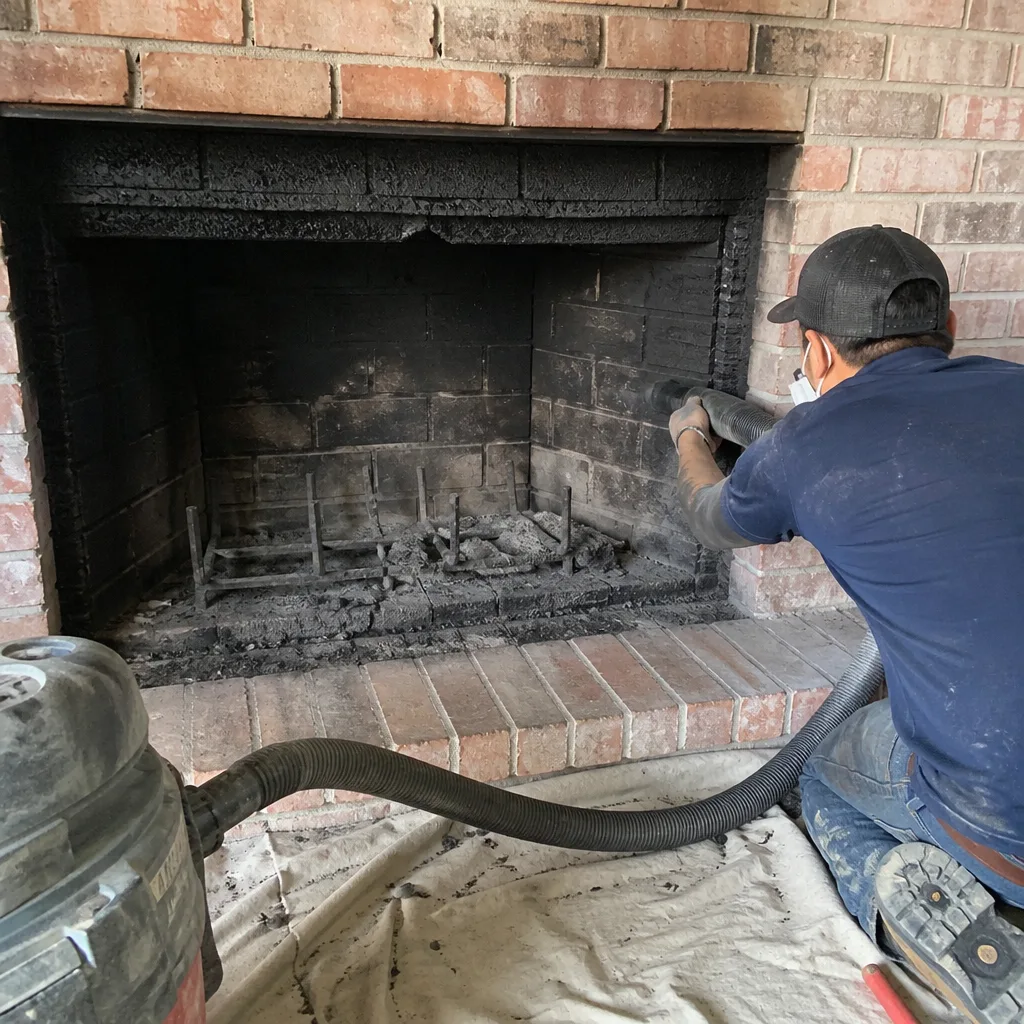 Before
 After
 Before
 After