
Last updated November 15, 2026
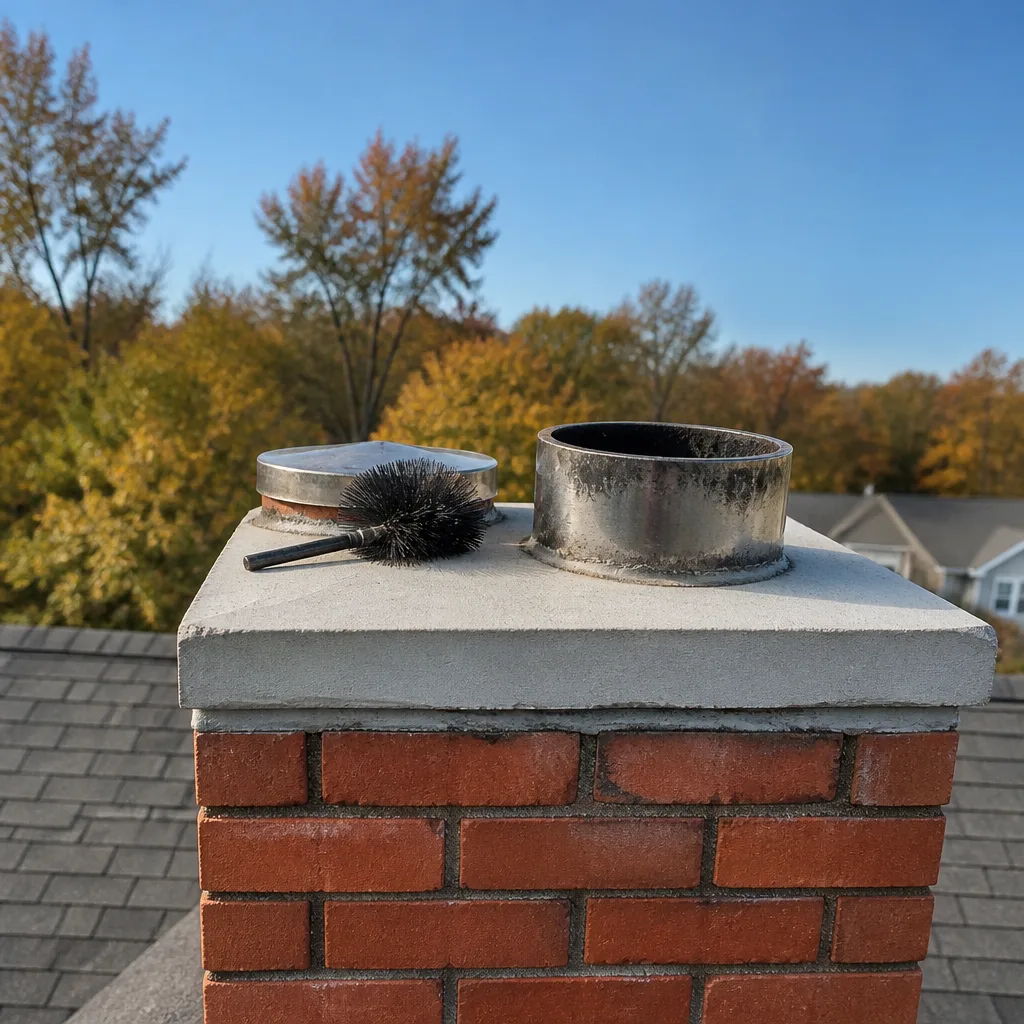 Sweep & inspection
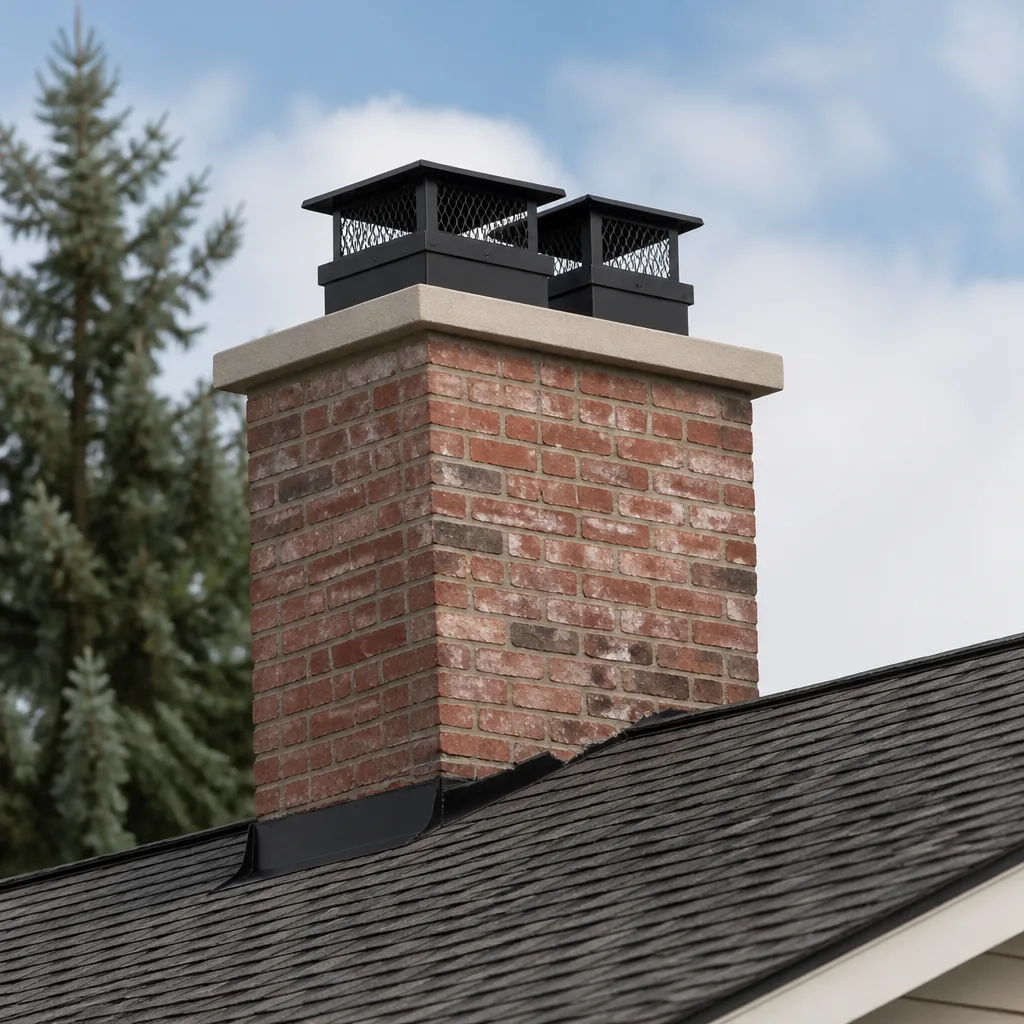 Caps & crowns
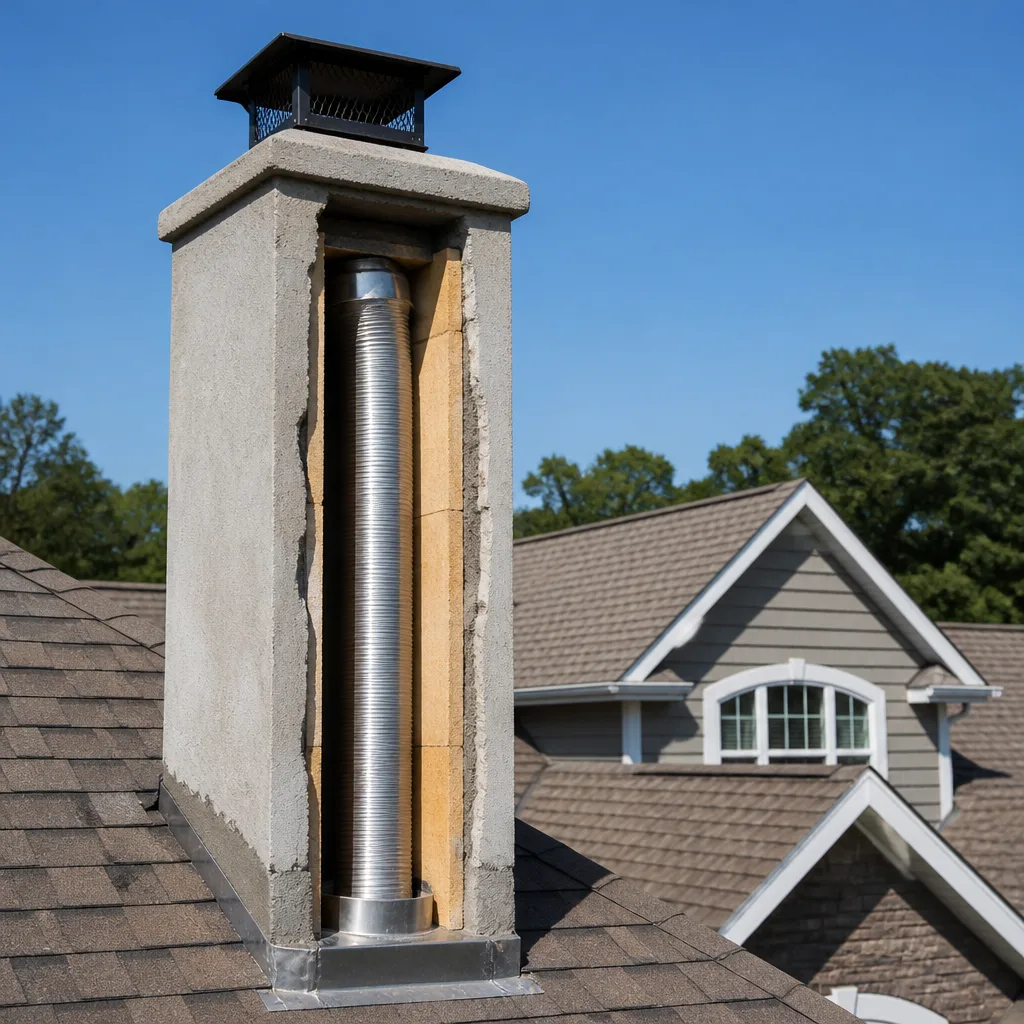 Flue relining
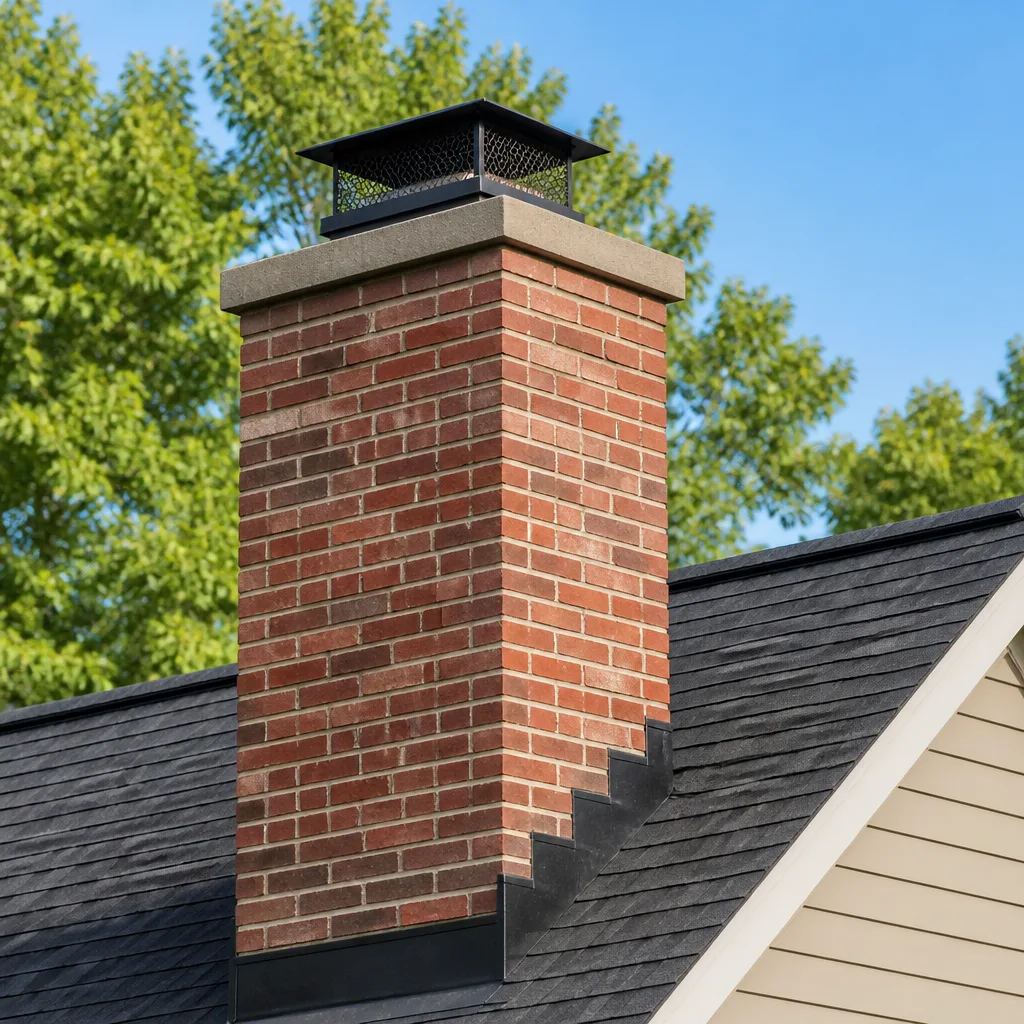 Masonry repair
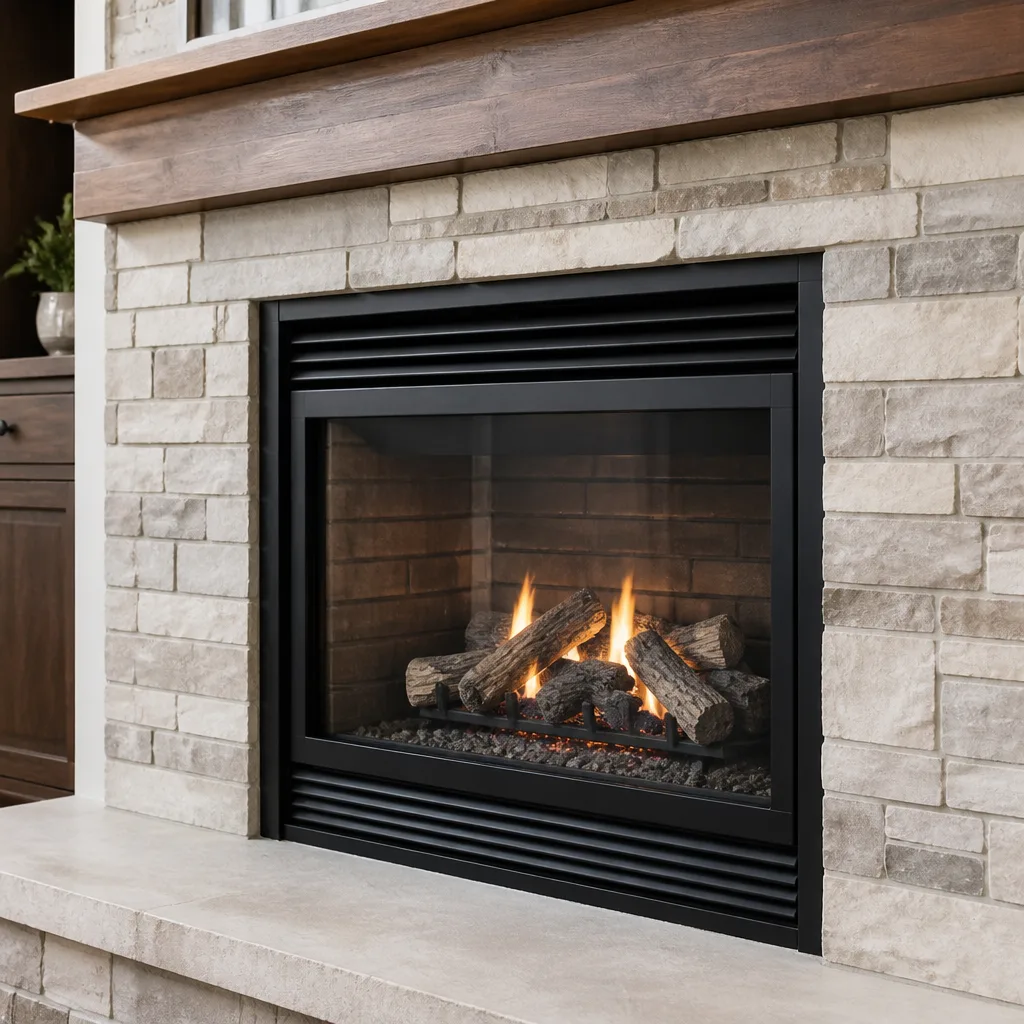 Gas fireplace service
Level 1 sweep and inspection to the NFPA 211 annual standard - flue, crown, cap, and flashing checked and photographed
Chimney sweep logs do not sweep chimneys. They loosen some creosote - which then falls where a brush and vacuum still have to collect it.
Seasonal Chimney Cleaning Care for Pearland: Year-Round Homeowner’s Guide
Most chimney advice you’ll find online was written for a climate with a long, hard winter. Clean the flue in fall, burn through the cold months, and forget about it until next year. That schedule works in Minneapolis. It doesn’t work in Pearland. Here, the burn season is short and compressed, the humid months put a different kind of stress on a chimney, and the window that matters most for a Pearland home opens in spring, not autumn. By the time a homeowner here acts on the standard “clean before winter” advice, the window has already closed. This guide maps seasonal chimney care in Pearland the way it actually plays out across a Gulf Coast year: what to do each season, what to look for, and when it’s time to call.
Quick Answer
For a Pearland home, the highest-priority chimney cleaning happens in spring, right after the burn season ends, because that’s when creosote is still fresh and easy to remove and when you can catch moisture damage before the humid summer sets in. Summer is for protecting the cap and crown against hurricane-season weather, fall is for pre-season inspection and readiness, and winter use should be monitored for draft and performance signals. Fabricated fireplace systems in newer Pearland subdivisions age differently through the year than masonry systems in older homes, so the calendar you follow depends partly on what you have.
Styles & brands we work with
- Sweep & inspection
- Caps & crowns
- Flue relining
- Masonry repair
- Gas fireplace service
Table of Contents
- Why the National Chimney Calendar Doesn’t Fit Pearland
- Spring (March-May): Why This Is the Highest-Priority Cleaning Window
- Summer (June-August): Protecting the Chimney Through Hurricane Season
- Fall (September-November): Pre-Season Preparation That Actually Matters
- Winter (December-February): Mid-Season Signals and When to Call
- Prefab vs. Masonry: How Each Ages Through the Seasons
- Sweep or Inspect: Knowing Which You Need and When
- Common Mistakes to Avoid
Why the National Chimney Calendar Doesn’t Fit Pearland
The standard advice you read everywhere is to clean your chimney in the fall, before you start burning. For a lot of the country that’s sound. For Pearland, it’s a season out of step with how a Gulf Coast chimney actually behaves. Our burn season is short and concentrated, our summers are long, hot, and humid, and our storm season arrives in late summer and early fall. Those three facts rearrange the calendar.
Here’s the practical difference. In a cold climate, fall cleaning makes sense because the last fire was months ago and the next one is weeks away. In Pearland, the “last fire” and the “next fire” are closer together, and the humid months in between matter more. Creosote that sits warm and dry through a long winter is one thing. Creosote, soot, and moisture working together in a humid attic-level chase is another. The threats change with the season here:
- Spring: freshest creosote, easiest to remove, plus the best time to spot winter damage.
- Summer: moisture intrusion, storm-driven water, and cap and crown wear dominate.
- Fall: readiness, draft, and a pre-season inspection before real use starts.
- Winter: short, intense burn season where draft and performance tell you whether the earlier cleaning was complete.
We’ve seen plenty of Pearland homes where a fall-only cleaning schedule meant a full season of creosote sat through the most humid part of the year. It didn’t cause a problem overnight, but it’s not how you want to run a chimney system. The fix isn’t complicated. It’s just a different calendar, mapped to a different set of seasons.
Spring (March-May): Why This Is the Highest-Priority Cleaning Window
Spring is the most important cleaning window for a Pearland chimney, and it’s the season most homeowners skip. By the time the last fire of the season is out, the flue has accumulated soot and creosote from a compressed burn period. That material is still relatively fresh in March and April, which makes it easier to remove completely. Wait until fall, and it’s been sitting through a humid summer.
Spring cleaning does something else: it lets you look for winter damage while the weather is mild and the system is fresh in memory. The burn season puts real stress on a chimney, and spring is when that shows up. Here’s what we recommend looking for after the season ends:
- Crumbling or missing mortar in the firebox joints.
- White, chalky staining on exterior masonry that suggests ongoing moisture absorption.
- A cap that’s loose, cracked, or missing its screen.
- Rust on a prefab firebox, damper, or the top of the chase.
- Visible water staining inside the firebox or on the smoke chamber.
- A damper that no longer seats or moves cleanly.
Moisture damage is the quiet story of spring. Pearland winters are mild, so you rarely get dramatic damage. What you get is slow, and slow is easy to miss. A hairline crack in the crown lets a little water in during spring showers. That water sits against the flue, gets warm in the first humid days, and begins working on mortar and metal. Catch it in May and it’s a small repair. Find it in September and it may have reached the flue liner.
If you want a single recommendation for this season, it’s this: book a chimney sweep in spring, not fall. Get the flue cleaned while the deposits are fresh, and have the system inspected while the evidence of the winter is still visible. That one habit sets up the rest of the year.
Summer (June-August): Protecting the Chimney Through Hurricane Season
Summer is when most people stop thinking about the chimney entirely. That’s a mistake in Pearland, because summer is when a chimney system faces one of its real threats: water. Our hurricane season overlaps the hottest, wettest months, and a chimney is essentially a vertical opening in your roof. The cap and crown are what stand between the weather and the flue.
The cap is the lid over the flue, with a screen that keeps out animals and sparks. The crown is the sloped concrete surface at the top of a masonry chimney that sheds water outward and away from the structure. Both take a beating. Wind-driven rain, age, and thermal movement in the heat all work on them. When the crown cracks or the cap loosens, water gets into the chimney, and the damage starts on the inside where you can’t see it.
What to check during hurricane season:
- Look at the cap. Is it attached firmly, is the screen intact, is there any animal activity?
- Check the crown for cracks. From the ground with binoculars is a reasonable start; a professional inspection from the roof is more reliable.
- Watch for interior water signs. Staining in the firebox, a rusted damper, or a damp smell after heavy rain all point to intrusion.
- Clear debris. Leaves and storm debris on the cap or in the flue screen restrict airflow.
- Note any chase or siding damage. A gap in the chase around a prefab system is an opening for water.
Summer is also a good time to plan any chimney repair you found in spring, because the system is out of use and there’s no reason to rush. A loose cap, a cracked crown, or a damaged chase cover doesn’t get better on its own through storm season. It gets worse. This is one of the seasons where an inspection pays for itself, because it’s the only way to see problems at the top of the system before the next storm tests them.
One more summer note: heat alone isn’t the enemy, but it accelerates the wear on sealants and exterior components. Components from established supply brands like Famco are built for outdoor exposure, and that matters when we’re specifying replacement parts. Professional-grade parts hold up through a Pearland summer better than hardware-store substitutes, and it’s the kind of thing that’s hard to see the value of until the cheap version fails in August.
Fall (September-November): Pre-Season Preparation That Actually Matters
Fall is when everyone else tells you to clean the chimney. For Pearland, fall is better understood as preparation and inspection, because you have roughly six to eight weeks of real fireplace use ahead. The cleaning you did (or should have done) in spring set the baseline. Fall is about confirming the system is ready for that short, intense burn season.
What pre-season preparation actually involves for a Pearland home:
- A readiness inspection. Verify the flue is clear, the damper operates, the firebox and smoke chamber are sound, and the cap is in place.
- A draft check. Confirm the chimney draws properly before the first fire. A weak draft can signal a blockage or a flue issue that’s easy to fix now and frustrating to deal with mid-season.
- A liner look. The flue liner is what protects the house from the heat and gases of a fire. If it’s cracked, deteriorated, or was never properly sized, fall is the time to know.
- Wood readiness. Seasoned, dry wood burns cleaner and produces less creosote than green wood. Since our burn season is compressed, starting with dry wood matters more here than in a climate where you can afford a slow learning curve.
- Cap and crown review. A quick re-check now catches what summer storms may have moved.
This is also the realistic window to schedule anything that needs more than a sweep. If your liner needs attention, a full replacement and a liner restoration are very different jobs, and the difference is worth understanding before you commit. HeatShield liner restoration can address certain liner issues without a full tear-out, which is a less invasive and often more cost-effective route in the right conditions. DuraFlex makes flexible stainless relining options used for the cases where replacement is the correct answer. Either way, the decision shouldn’t be made on a guess. It should be made on the results of an inspection.
We say “inspect first, then recommend” because it’s the only honest order. A readiness inspection in fall tells you whether the spring cleaning was enough, whether the liner is sound, and whether the short burn season ahead is going to go smoothly. If you’d rather understand the full scope of what a professional inspection looks for in a Pearland home, that’s a separate topic worth a read through our Pearland Chimney Cleaning resources.
Winter (December-February): Mid-Season Signals and When to Call
Pearland’s winter is short. For a lot of homeowners, that means a fireplace that gets real, regular use for a concentrated stretch, and that concentrated use tells you quickly whether the system was prepared properly. If the spring and fall work was done well, winter should be simple: build fires, stay warm, keep an eye on how the system behaves.
Watch for performance signals that suggest something’s off. These are the mid-season signs we’d want to hear about:
- Smoke entering the room. A fireplace that smoked last year and still smokes is telling you draft is compromised.
- A weak or lazy draw. The fire struggles to pull, smoke hovers, or the flue feels sluggish.
- Strong creosote smell. A sharp, tarry odor when the fireplace isn’t in use points to deposits in the flue.
- A drafty, cold smell from the firebox. Often a blocked flue or a cap or damper issue.
- Soot on the fireplace face or glass doors. Suggests incomplete combustion or a draft problem.
- Mouse-like scratching or bird sounds. An animal has found the flue.
Two of these are worth taking seriously right away. Persistent smoke in the room and a strong creosote odor both point to a flue that may not be as clean as assumed, and a creosote-lined flue is the condition you don’t want to keep feeding fires into. If either shows up mid-season, it’s reasonable to call rather than wait until spring. A mid-season cleaning is straightforward and it’s the right call when the signals say the earlier cleaning was incomplete.
It’s also worth being clear about the risks that make these signals matter. Creosote buildup is the main fuel for chimney fires, and chimney fires can burn hot enough to damage the flue and spread into the structure. Carbon monoxide is a risk any time a solid-fuel appliance vents into a blocked or damaged flue. We don’t say that to alarm you. We say it because a draft problem in winter is a signal, not an inconvenience, and the response should match. If you’re not sure, call.
Prefab vs. Masonry: How Each Ages Through the Seasons
Not every chimney in Pearland is the same, and the seasonal calendar looks a little different depending on what you have. The two broad categories behave differently through the year, and knowing which one you’ve got helps you read the signals.
A prefab, or fabricated, fireplace system is common in newer Pearland subdivisions. These systems are factory-built, installed in a chase, and typically lined with a metal flue. Through the seasons, they tend to show:
- Rust on the firebox, damper, or the top of the chase, especially when moisture gets in around a loose cap or chase cover.
- Sealant wear where the chase meets the roof, which is a water entry point in storm season.
- Liner condition that matters a lot, because a prefab system relies on its flue liner for safety. Cracks or gaps in the liner are significant.
A masonry chimney, more likely in an older Pearland home, ages a little differently. Its seasonal story is mostly about mortar and water:
- Crown cracks that let water in, which then works on the masonry from the inside.
- Mortar joint wear in the firebox and on the exterior, accelerated by moisture absorption.
- Liner deterioration that happens gradually and is easy to miss without an inspection.
Both systems benefit from the same seasonal discipline: clean in spring, protect in summer, inspect in fall, watch in winter. But the specific things you’re watching for differ. A prefab owner should be paying attention to rust and chase sealant. A masonry owner should be paying attention to the crown and mortar. The common thread is moisture, because in a Pearland climate, water is the thing that creates the repair bill.
This is why an inspection-first approach matters. The system you have determines what a professional looks at, and the right recommendation for a prefab chase doesn’t apply to a masonry chimney. When we work through what a system needs, we’re working from the top of the chimney down to the firebox: from the firebox to the crown. The whole system, not just the flue.
Sweep or Inspect: Knowing Which You Need and When
Homeowners often aren’t sure whether they need a cleaning or an inspection, and the answer depends on the history of the system and the season. The two aren’t the same job, and doing one doesn’t replace the other.
A sweep removes soot, creosote, and debris from the flue. It’s a cleaning. An inspection evaluates the condition of the system: the firebox, smoke chamber, flue, damper, cap, crown, and liner. It’s a diagnosis. You can have a clean flue that’s structurally compromised, and you can have a sound system with a heavily creosote-lined flue. They’re separate questions.
A practical way to think about which you need:
- Spring: sweep, then inspect. You want the flue clean and the system evaluated while the winter evidence is fresh.
- Summer: inspect the exterior and top of the system, especially cap, crown, and chase.
- Fall: a readiness inspection before the burn season, to confirm the system is clear and sound.
- Winter: a sweep or inspection only if a performance signal appears.
If you burn regularly during the season, an annual sweep and inspection is a sensible baseline. If your fireplace is decorative or rarely used, the interval can be longer, but “I barely used it” isn’t a reason to skip an inspection indefinitely. Creosote and deterioration both accumulate slowly and quietly.
Here’s the thing that matters most for trust. A lot of homeowners are wary of being told they need major work they can’t verify. That’s a fair concern. The answer is to make the diagnosis visible. An inspection should give you clear findings you can understand, and every repair recommendation should be tied to actual evidence from the system, not a guess or an upsell. If something can safely wait, we’ll say so. If it can’t, you should be able to see why. That’s the inspection-first discipline, and it’s the reason we’ll always tell you what a sweep and inspection actually involve before recommending either.
A chimney inspection done with proper documentation is also useful beyond your own peace of mind. It’s suitable for real estate transactions, insurance documentation, and annual safety compliance. Whether you’re buying, selling, or staying put, a written record of the system’s condition is worth having.
Common Mistakes to Avoid
These are the ones we see most often in Pearland homes, and each one is a small thing that gets expensive when it’s left alone.
- Scheduling the cleaning in fall only. The deposits sit through the humid months and are harder to remove. Spring is the season that matters most here, and skipping it is the most common error we encounter.
- Assuming a prefab system needs less attention. Fabricated fireplaces don’t age more slowly, they age differently. Their liners and chases need the same routine inspection a masonry chimney gets, and the moisture risks are just as real.
- Ignoring a cracked crown or loose cap until fall. Every storm between the check and the fix is another chance for water to get in. Summer is the right time to deal with exterior components.
- Treating “I barely use it” as a reason to skip inspection. Infrequent use doesn’t protect a liner from deterioration or a flue from animal intrusion. It just means the problem has had more time to develop unnoticed.
- Burning unseasoned or wet wood. In a short, compressed burn season, you don’t have the margin to burn wood that produces heavy creosote. Dry, seasoned wood matters more here than in a climate with a long season.
- Mixing a general handyman with a chimney specialist for the same job. Sweep, inspection, and repair are different disciplines, and when they’re handled by different people, nobody owns the outcome. Single-source accountability solves that.
- Accepting a repair recommendation without seeing the evidence. If you’re told you need a full liner replacement, ask what the inspection found and get it in writing. A good inspection makes the recommendation verifiable.
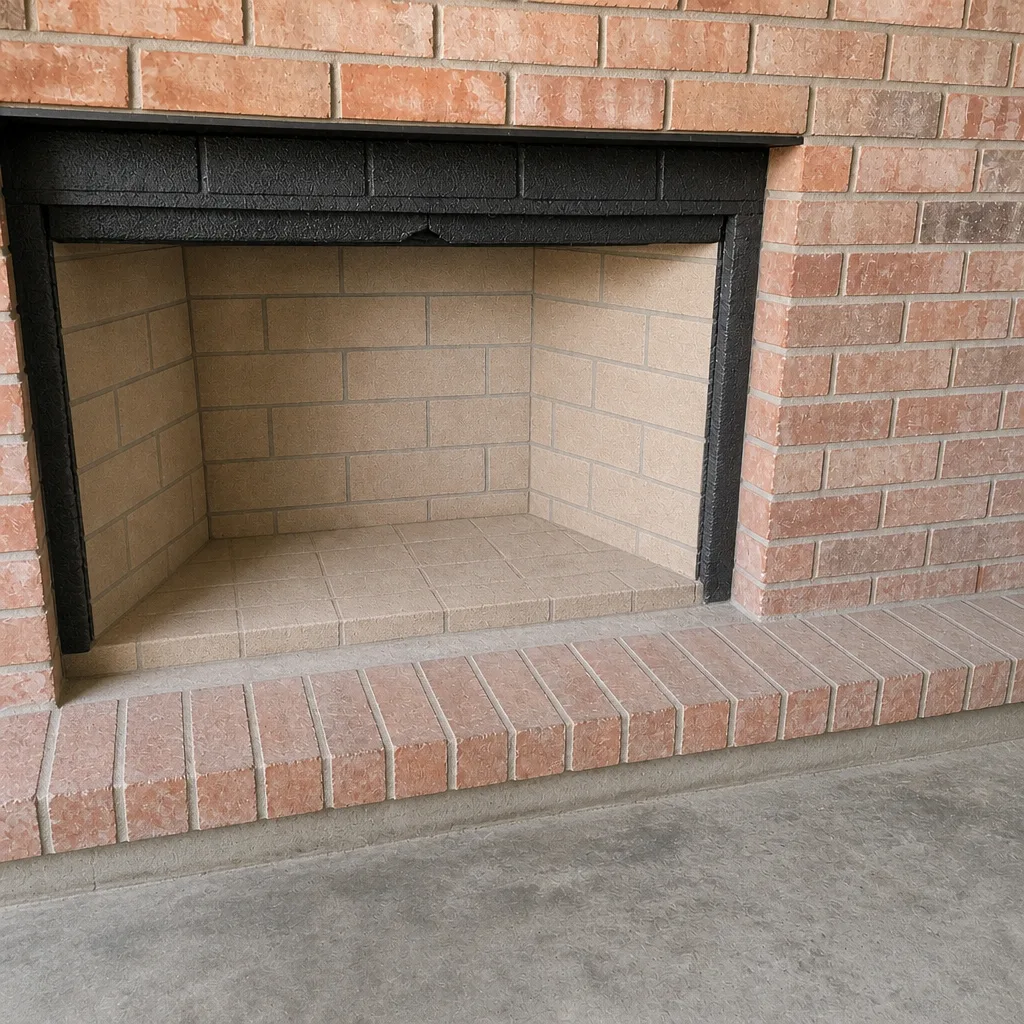
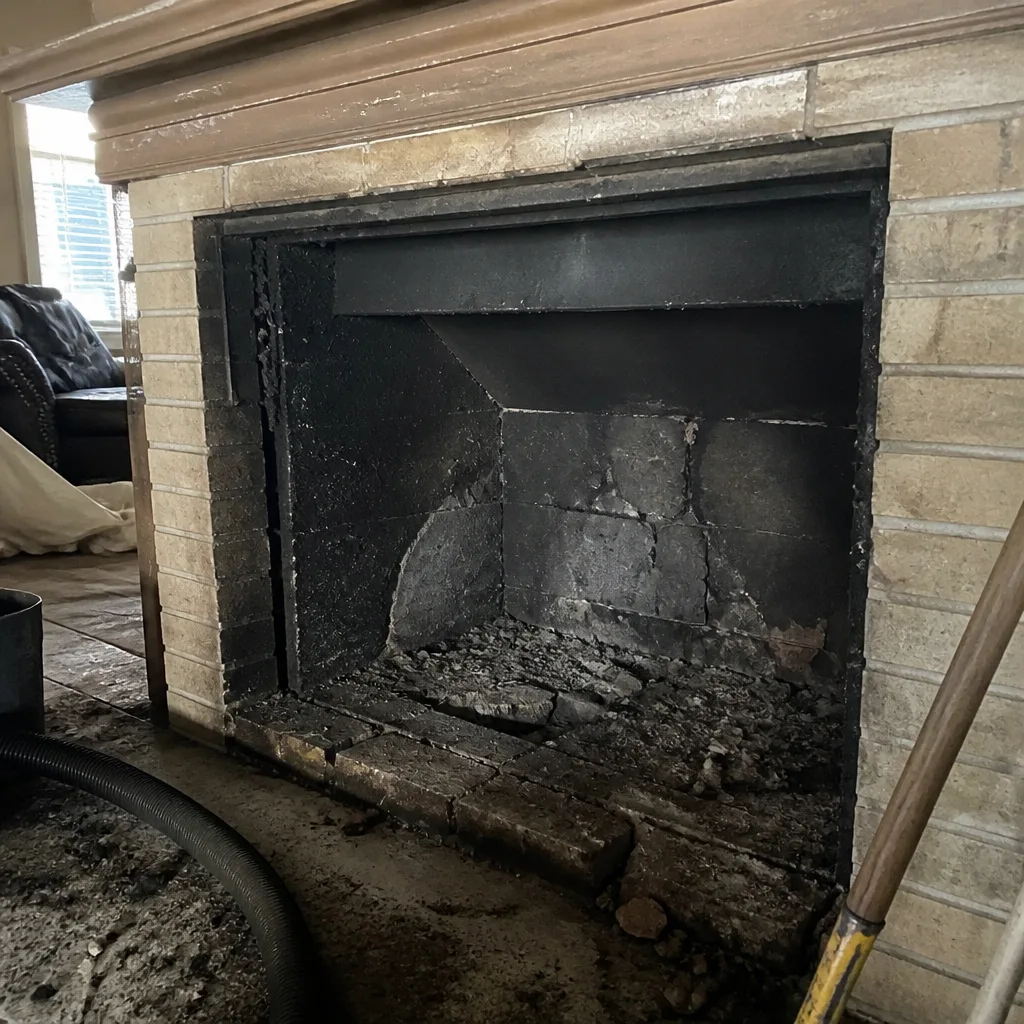
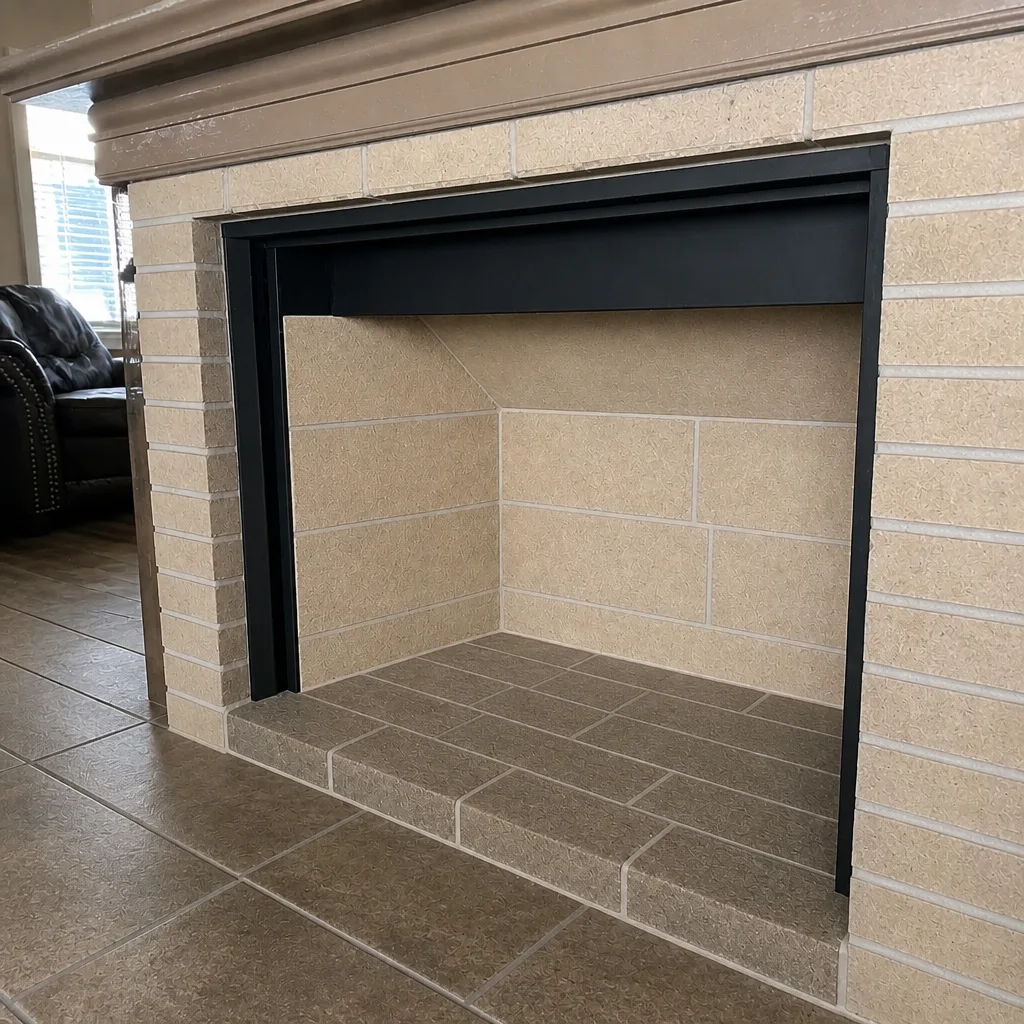
See the difference
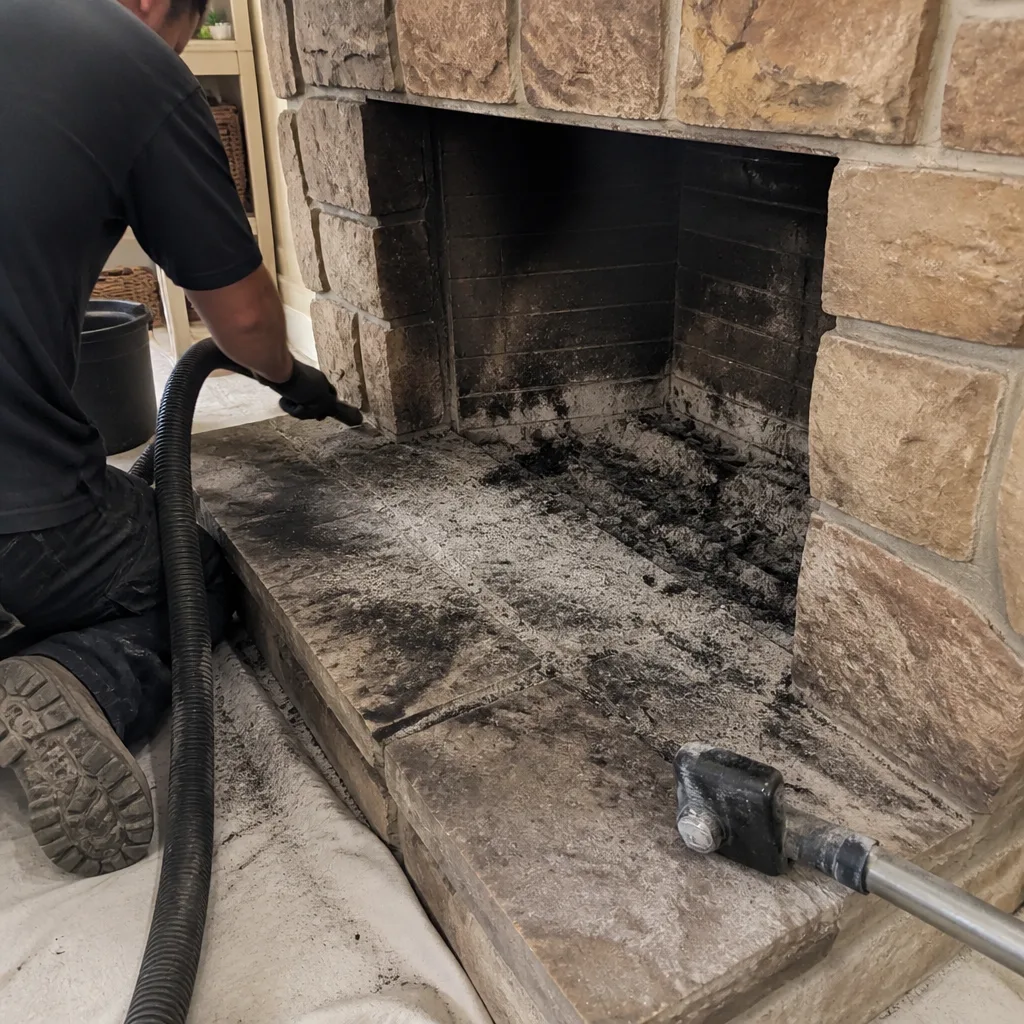 Before
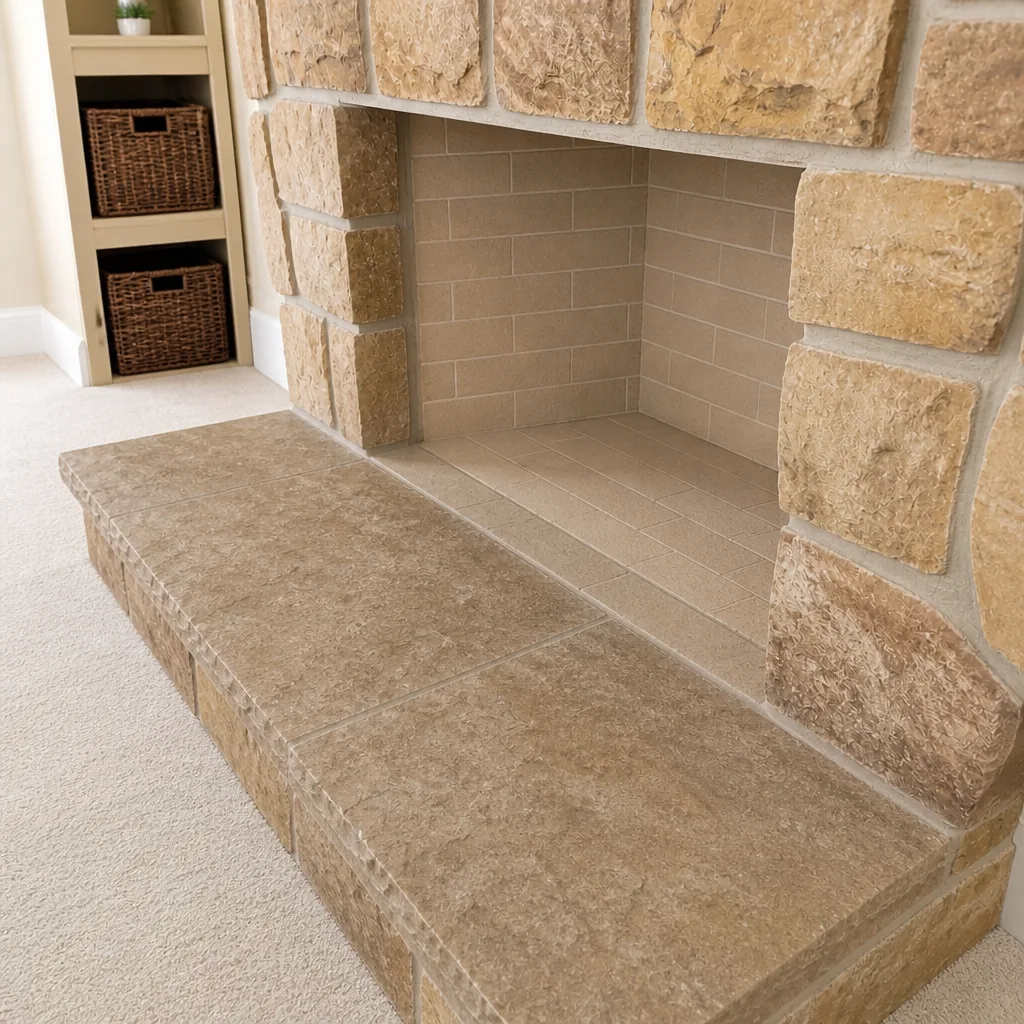 After
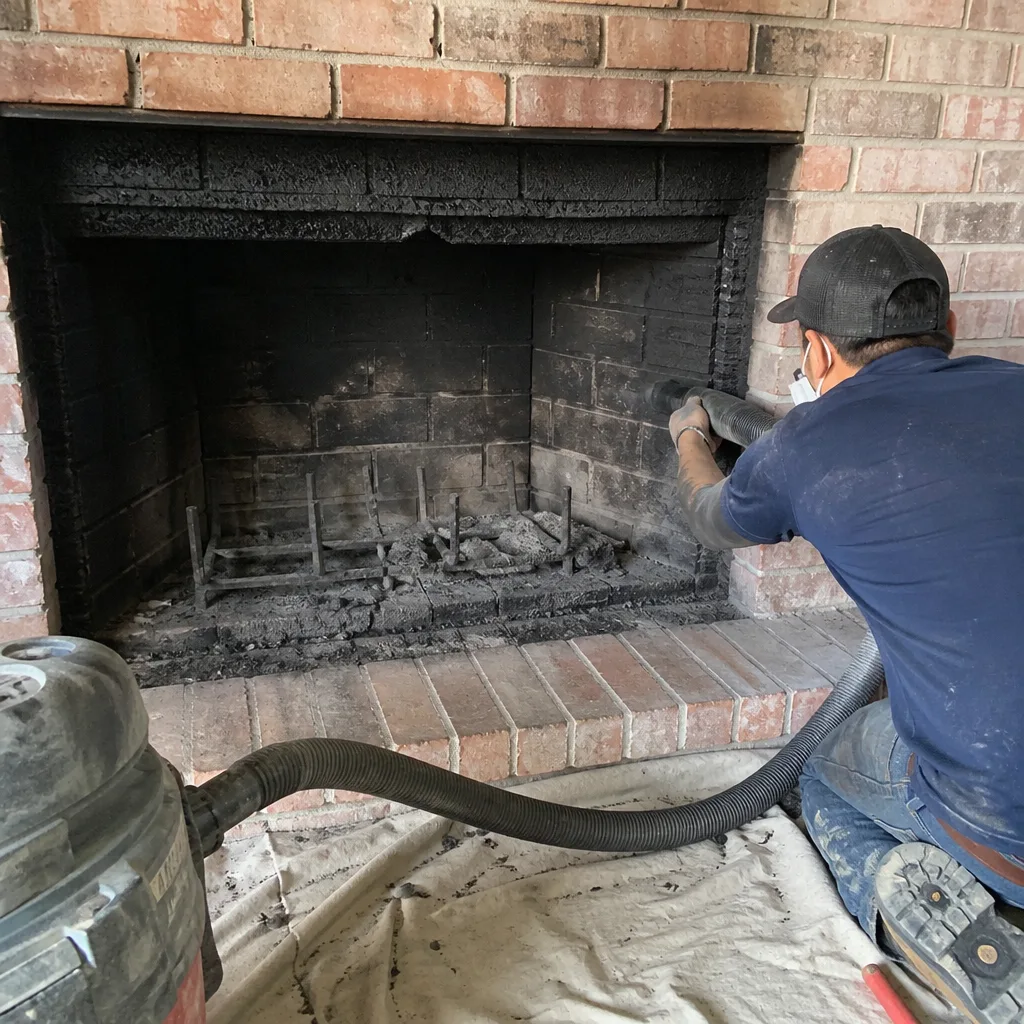 Before
 After
 Before
 After
When to Call a Professional
Most homeowners in Pearland can manage their chimney on a seasonal schedule without a call, but some situations deserve one. You should call a professional if you’re seeing smoke in the room during a fire, if there’s a strong creosote or tarry smell when the fireplace is idle, if the flue seems sluggish or the fire won’t draw, if you notice water stains or rust, or if you can’t remember the last time the system was inspected. A real estate transaction is another clear reason, since a documented inspection is what a buyer and their lender want to see. It’s also worth calling if your liner’s condition is unknown, because that’s the component that protects the house and it’s the one you can’t check yourself. Pearland Chimney Cleaning offers free estimates in Pearland. Call (866) 361-9474. We answer 24/7, with fast dispatch from 7am to 7pm, Sunday through Friday. Estimates are free and the price is set per job by the written estimate.
Frequently Asked Questions
For a home that burns regularly through the season, an annual sweep is a sensible baseline, and in Pearland the best time for it is spring, right after the burn season. If your fireplace is used only occasionally, a longer interval may be fine, but an annual inspection is still worth having. The risks of skipping it are slow and quiet, and a once-a-year check catches them early. Call (866) 361-9474 for an exact quote. Estimates are free.
Spring is when creosote and soot are freshest and easiest to remove, and it’s the best time to catch winter-related moisture damage before the humid summer. Fall cleaning gets more attention nationally, but in a Gulf Coast climate the spring window is the one that actually matters. Cleaning in spring also means the deposits aren’t sitting through the wettest part of the year. If you want to know what a spring visit involves, call (866) 361-9474 for an exact quote.
It depends on the condition of the liner, and that’s why we inspect first and recommend second. In some cases a liner can be restored rather than replaced; HeatShield liner restoration can address certain liner issues without a full tear-out, and DuraFlex relining is used when replacement is the correct answer. The only honest way to know which applies to your chimney is an inspection that documents the condition of the flue. Call (866) 361-9474 for an exact quote, and estimates are free.
Yes. A chimney inspection with proper documentation is suitable for real estate transactions, insurance documentation, and annual safety compliance. If you’re buying or selling a Pearland home, a written record of the system’s condition gives both sides something concrete to work from. Call (866) 361-9474 to arrange it. Estimates are free.
Check the cap and crown before storm season and after any significant weather, watch for interior water stains or rust, and keep the flue screen clear of debris. A cap that’s loose or a crown that’s cracked is a water entry point, and those are best dealt with in summer while the system is out of use. A professional inspection from the roof gives you a clearer picture than a look from the ground. Call (866) 361-9474 for an exact quote.
Our work covers three core services: chimney sweep, chimney inspection, and chimney repair. That means cleaning, diagnosis, and correction of chimney issues, with professional-grade parts from established chimney supply brands. If a project falls outside that scope, we’ll tell you plainly rather than take it on. Single-source accountability is the point: the same company that cleans your flue can inspect it and fix what it finds. Call (866) 361-9474 to talk through your chimney. Estimates are free.
The Bottom Line
Pearland’s seasonal chimney calendar is not the national one. Spring is your highest-priority cleaning window, because that’s when fresh creosote is easiest to remove and winter moisture damage is easiest to spot. Summer is about protecting the cap, crown, and chase through hurricane season. Fall is a readiness inspection before a short, real burn season. Winter is when performance signals tell you whether the earlier work was done properly. Prefab systems in newer subdivisions and masonry chimneys in older homes age differently through the year, so the details you watch for change with the system. The one constant is inspection-first discipline: diagnose from evidence, recommend only what the system actually needs, and use professional-grade parts when a repair is correct. If you want the whole picture for your home, work with a team that handles sweep, inspection, and repair together. For Pearland homeowners, that means one call, one diagnosis, and one company accountable for the result.
Ready to get on the right seasonal schedule? Call (866) 361-9474 for a free estimate. We answer 24/7, with fast dispatch from 7am to 7pm, Sunday through Friday. Whether you’re due for a spring sweep, a summer exterior check, or a fall readiness inspection, we’ll inspect first, explain what we find, and tell you honestly what can wait.
Written by the team at Pearland Chimney Cleaning.