
Last updated November 15, 2026
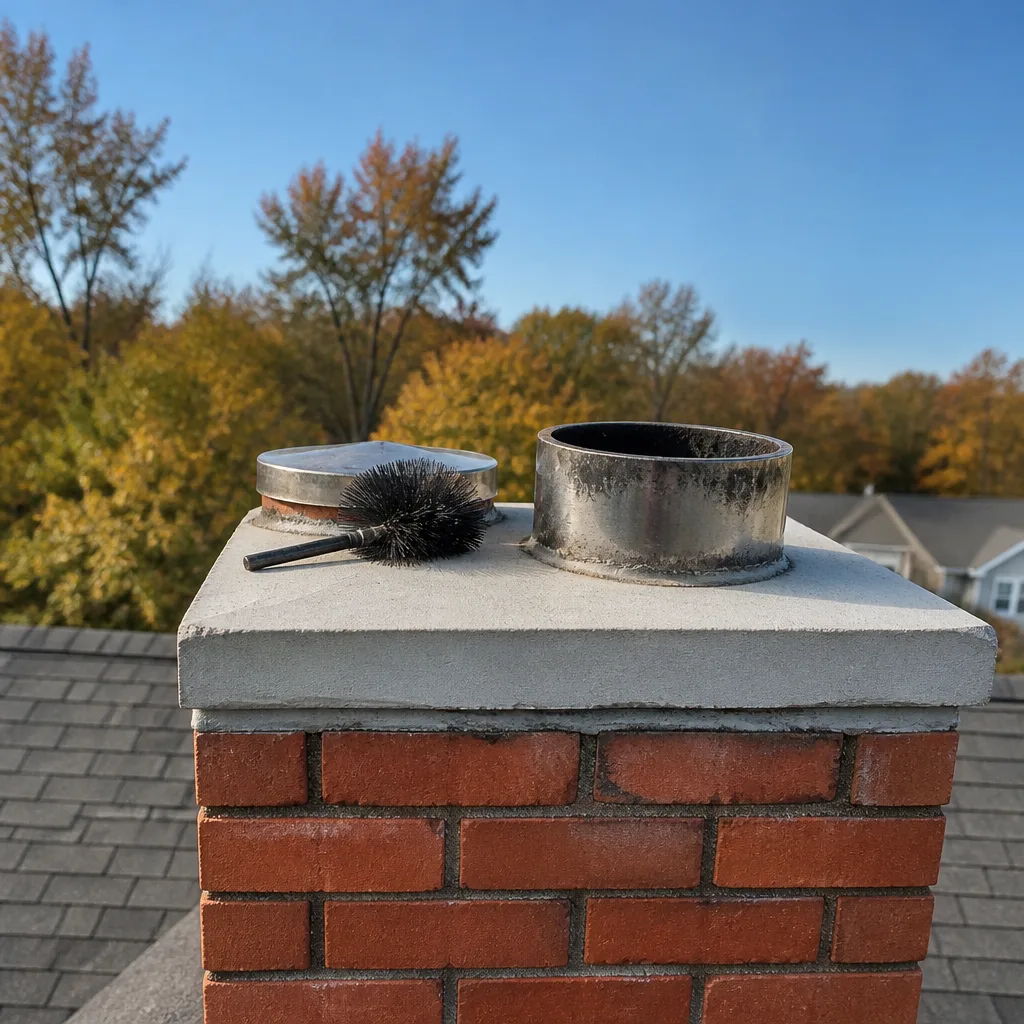 Sweep & inspection
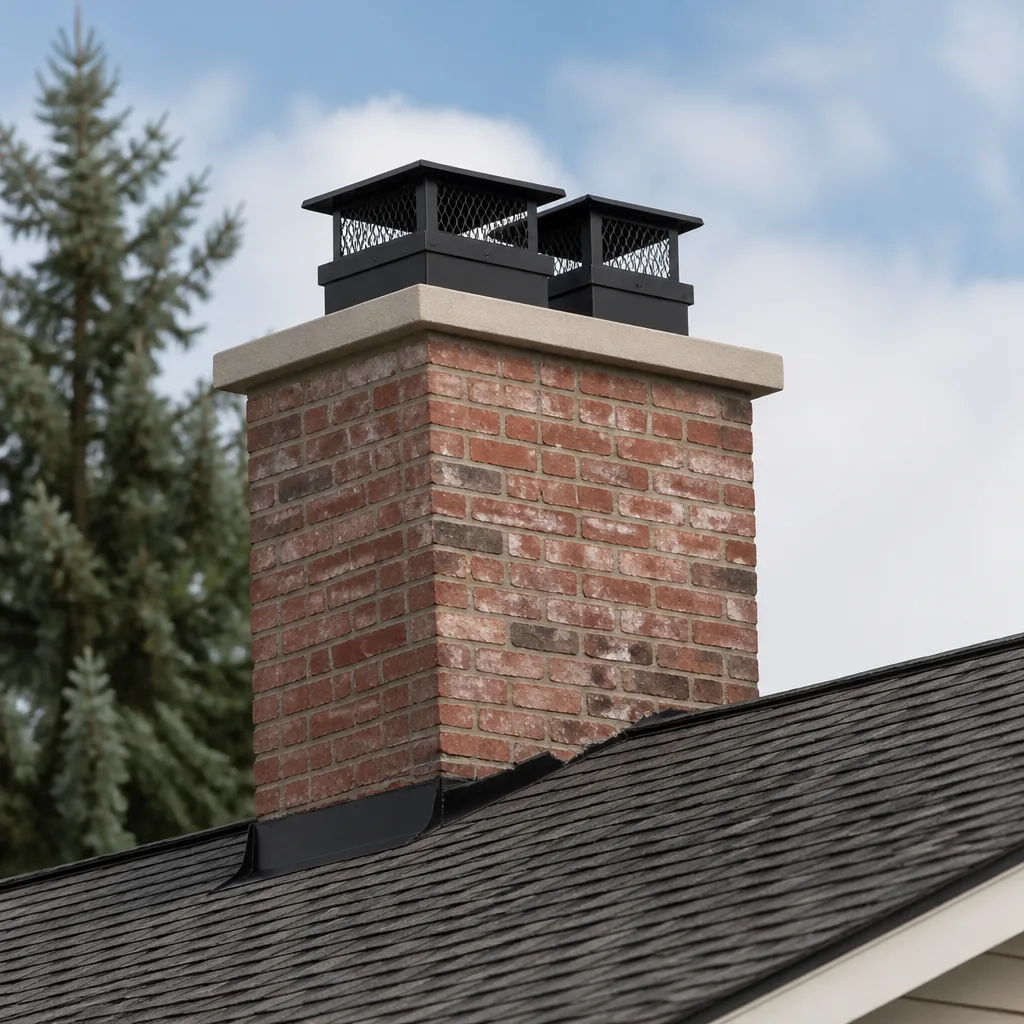 Caps & crowns
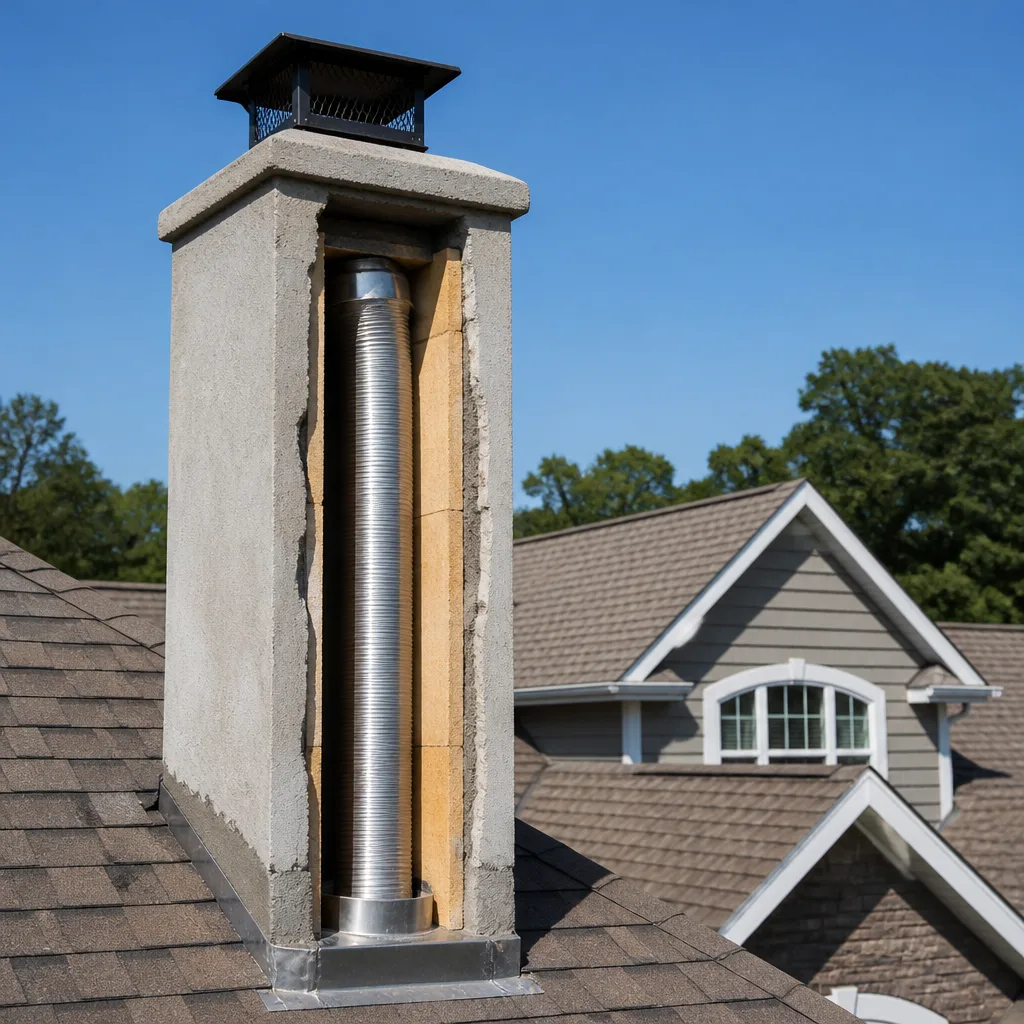 Flue relining
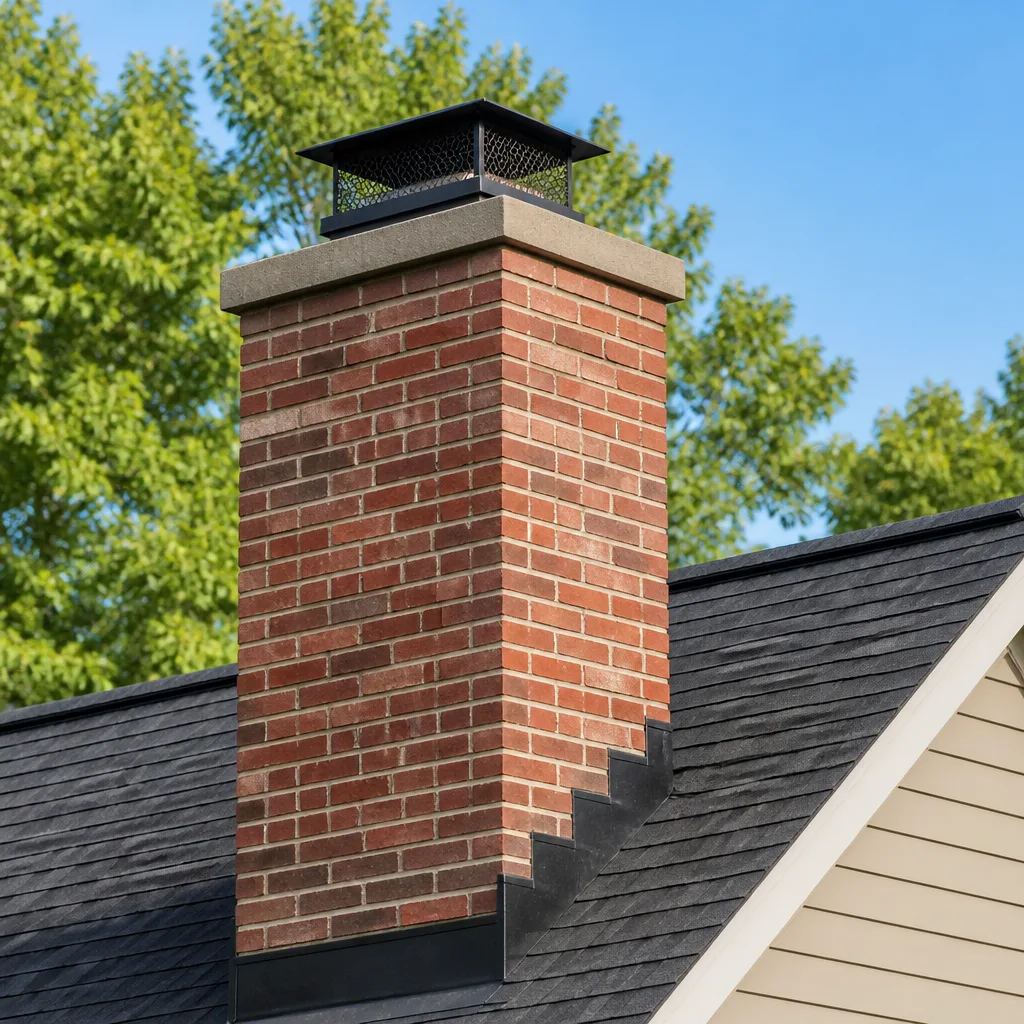 Masonry repair
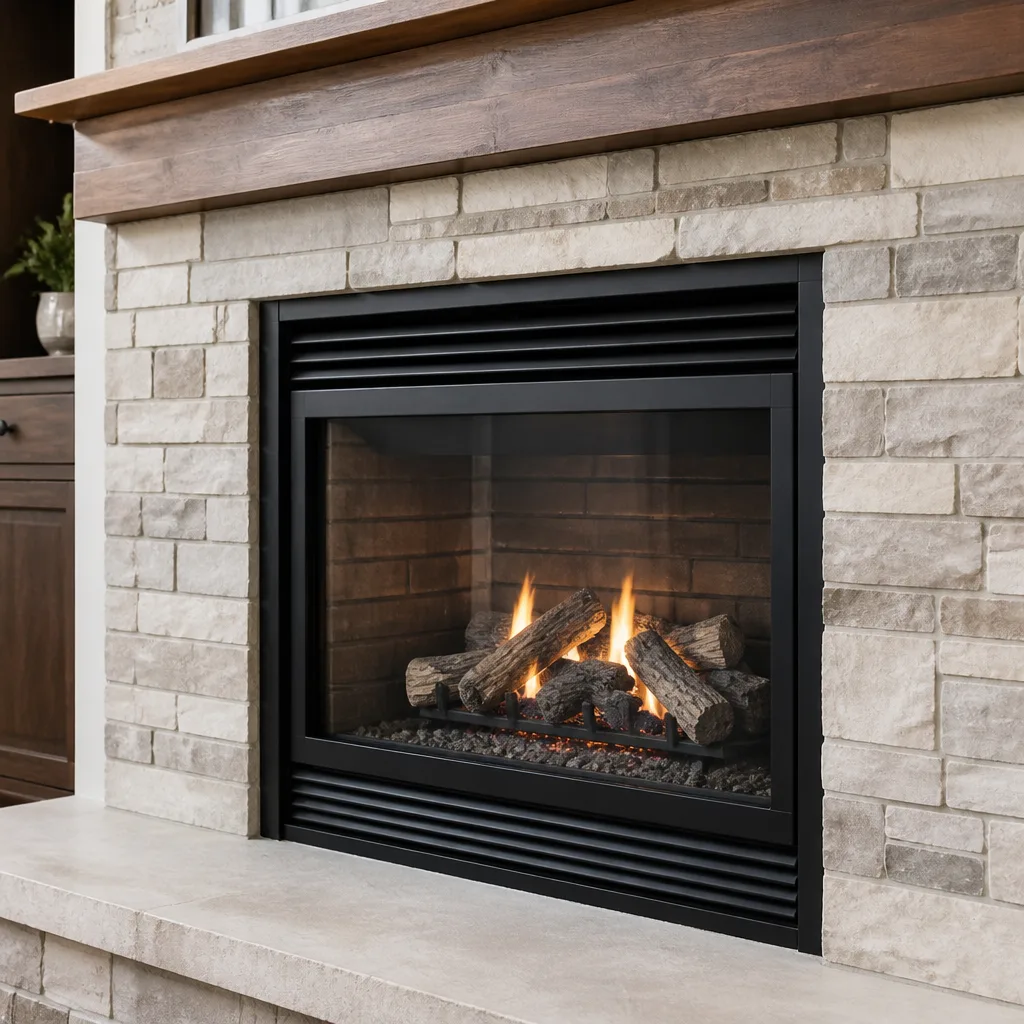 Gas fireplace service
Level 1 sweep and inspection to the NFPA 211 annual standard - flue, crown, cap, and flashing checked and photographed
Chimney sweep logs do not sweep chimneys. They loosen some creosote - which then falls where a brush and vacuum still have to collect it.
Chimney Cleaning Emergency Preparedness Guide for Pearland Homes
Most chimney emergencies aren’t really emergencies by the time they happen. They’re the predictable end of a long chain of small ignored signals, and the homeowners who come through them well are the ones who wrote the plan down before they needed it. A chimney fire doesn’t wait for you to look up whether you should cut the air or get everyone outside. Storm damage doesn’t ask permission before the next rain. And the phone call to your insurer goes much better when you already know what to photograph and what to say. This guide gives you the two protocols most Pearland homeowners have never written down: what to do in the first two minutes of a chimney fire, and what to check in the days after a Gulf storm before you light another fire.
Quick Answer
If a chimney fire starts, get everyone outside and call 911 first – don’t wait to confirm it’s “just” a small fire. Once the fire department clears the scene, the chimney needs a Level 2 inspection before it can be used again. After a severe storm in Pearland, inspect the crown, cap, flashing, and visible masonry before your next burn, and document everything with dated photos whether or not you file a claim.
Styles & brands we work with
- Sweep & inspection
- Caps & crowns
- Flue relining
- Masonry repair
- Gas fireplace service
Table of Contents
- The Two Kinds of Chimney Emergencies (and Why You Need a Protocol for Both)
- The First Two Minutes of a Chimney Fire: A Step-by-Step Protocol
- Is My Chimney Safe to Use After a Fire? The Post-Fire Inspection
- Post-Storm Chimney Assessment: What to Check, in Order
- What to Tell Your Insurance Company After a Chimney Fire vs. Storm Damage
- Pre-Season Preparation That Cuts Your Emergency Risk the Most
- Understanding Chimney Inspection Levels and What Each One Covers
- Building a Chimney Records File for Your Pearland Home
The Two Kinds of Chimney Emergencies (and Why You Need a Protocol for Both)
Chimney problems in Pearland show up in two very different shapes, and lumping them together is why so many homeowners get caught flat. The first is the slow failure: a cracked flue tile, a degraded crown, creosote building up season after season, a cap that lost a screw in a wind gust. None of these announce themselves. They just get worse quietly, and eventually the quiet stops. The second is the sudden event: an actual chimney fire, a limb through the cap, a piece of flashing peeled back by a thunderstorm. That one gives you no preparation time at all, only whatever protocol you already have in your head.
The mistake most households make is preparing for neither. Nobody wants to think about a house fire on a Tuesday night, so the plan never gets written, and when the moment comes the decisions get made in a panic. The good news is that each type has a clean response, and both are short enough to memorize.
Slow failures: the emergency you can still prevent
Slow failure is manageable because it’s visible if anyone looks. Creosote buildup, cracked masonry, a crown pulling away from the flue – all of these are things a proper inspection finds and documents. The trick is getting eyes on the system on a schedule instead of waiting for a symptom. If you’ve never had a camera inspection of your flue, that’s the single most useful thing you can do this year.
Sudden events: the emergency you can only prepare for
Sudden events can’t be prevented, only rehearsed. That means knowing who calls 911, where the fire extinguisher is, where everyone meets, and which inspection has to happen before the fireplace is used again. Write it down. Talk it through once with everyone in the house. The 90-second window after a chimney fire starts is not the time to be deciding anything for the first time.
One note on the basics: the fire department is always the first call, and it’s never the wrong one. Even a small chimney fire that seems to burn itself out can damage the flue in ways you can’t see from the hearth.
The First Two Minutes of a Chimney Fire: A Step-by-Step Protocol
Here’s the response sequence, in the order we walk homeowners through it. Print it, tape it inside a cabinet near the fireplace, and read it out loud to everyone in the house once.
- Get everyone out first. Before anything else, move every person in the house to the front yard, well back from the structure. Don’t gather belongings. Don’t go check the attic. Get out.
- Call 911 from outside. Tell the dispatcher you have a chimney fire and give the full address. Don’t wait to see if it’s serious – chimney fires can spread into the framing before the smoke upstairs tells you anything.
- Close the glass doors or the firebox door if it’s safe and quick to do. This limits the air feeding the fire and keeps embers inside the firebox. If reaching the door means walking back through smoke, skip it. The 911 call matters more.
- Do not throw water on it. Pouring water into a hot firebox can crack the firebrick and send steam and soot back into the room. Let the fire department handle suppression.
- Don’t go on the roof. Ever. The ladder, the shingles, the hot cap – all of it is more dangerous than helpful.
- Meet the fire department and stay clear. Have someone at the curb to flag them in and tell them what you saw: how much smoke, whether it came from the top of the chimney, how long it burned. That information matters to them.
What to have ready before the day you need it
- A working smoke detector on every level and inside every bedroom, tested monthly.
- A carbon monoxide detector near the sleeping areas. It matters whether your heat source is wood, gas, or oil.
- A fire extinguisher rated for both trash-wood-paper and household fires, with a current charge, kept where you can actually reach it.
- A written meeting spot everyone knows – the mailbox, the neighbor’s driveway, anywhere specific.
If your fireplace has a damper, know how it opens and closes before you need it. Cutting combustion air can help, but only as a secondary step after everyone is out and 911 is called. The decision window is genuinely short, and the only way to use it well is to have rehearsed it. If a fire does happen and you’re not sure what to do next, call us at (866) 361-9474. We answer 24/7, and we’d rather talk you through the after-steps than have you guess.
Is My Chimney Safe to Use After a Fire? The Post-Fire Inspection
No – a chimney is not safe to use again until it has passed a Level 2 inspection. That’s the short answer, and it’s the one that matters most. Any chimney fire, however small it seemed at the time, can crack flue tiles, warp a metal liner, or damage the mortar joints between tiles without leaving a single visible clue at the firebox. The damage is on the inside, and the inside is where the next fire will be.
The industry standard (the NFPA 211 code most local jurisdictions follow) calls for a Level 2 inspection when a chimney has experienced a fire or any other event that could have damaged it. A Level 2 inspection goes beyond the visual check you get with a routine service. It includes a video camera scan of the entire flue interior and a look at accessible portions of the attic and crawl space. That camera work is what catches the hairline cracks and loose joints a flashlight can’t see.
What the inspection looks for after a fire
- Cracked or spalled flue tiles, and gaps in the mortar between them.
- Warped or separated metal liners, which can let heat and gases reach framing.
- Damaged firebrick inside the firebox.
- Creosote that glazed into a hard layer during the fire – this stuff is difficult to sweep and often needs the chimney to be brought back into service carefully.
- Crown, cap, and flashing damage caused by heat or by the fire department’s response.
- Obstructions, including fallen tile pieces now sitting in the flue.
One thing we emphasize to Pearland homeowners: the inspection is not a sales call. It’s the evidence base. If the flue is intact, we say so and you light the fireplace again with confidence. If it isn’t, you’ll see the camera footage yourself before anyone recommends anything. Inspect first, then recommend – that’s the order, every time.
Post-Storm Chimney Assessment: What to Check, in Order
Pearland gets its share of severe thunderstorms and hurricane-season wind, and chimneys on the outside of the house take the hit first. The sequence below is the assessment order that catches problems before they lead to water damage or a surprise on your next burn. You can do the first pass yourself from the ground with binoculars.
- Check the cap and spark screen first. If they’re missing or bent, birds and debris can get into the flue. Don’t try to climb up and fix it yourself; note it for a professional.
- Look at the crown. The crown is the concrete slab on top of the chimney that sheds water. If you see a crack, a chunk missing, or a gap where the crown meets the flue, water has probably already gotten in.
- Inspect the flashing at the roofline. Flashing is the metal sealing the chimney to the shingles. Lifted or rusted flashing is the number-one cause of water getting into the attic near a chimney.
- Look for loose bricks or mortar. A single missing brick or a spider-web of cracks in the mortar joints after a storm means the masonry needs a look before winter.
- Check inside the attic for water staining on the framing near the chimney. Do this after a heavy rain, not just after the wind.
- Check the firebox and hearth for any debris that fell down the flue.
- Look at the cap area from the ground for animal activity. Squirrels and birds love a missing cap, and a nest can block the flue entirely.
When to skip the checklist and call someone
If you see structural movement, a chimney that leans, or significant sections of brick missing, don’t wait. That’s beyond what a visual check can tell you, and the assessment needs to be handled by someone who can evaluate the whole system. From the firebox to the crown, storm damage is rarely just one component.
One more thing storm season teaches: water intrusion is insidious. A small flashing leak can sit in your attic framing for a season or two before it shows on a ceiling. Photograph the inside and outside of the chimney before storm season each year so you have a baseline to compare against.
What to Tell Your Insurance Company After a Chimney Fire vs. Storm Damage
The documentation you gather in the first 48 hours often decides a claim. What your insurer needs differs depending on the event, so it’s worth understanding the difference before you pick up the phone.
After a chimney fire
Call your insurer, but understand that many policies treat a chimney fire differently from an external event. A chimney fire caused by deferred maintenance may be assessed as a maintenance issue rather than sudden damage, so the paper trail matters. Collect the following:
- The fire department’s incident report number.
- Photos of the firebox, the flue opening, the chimney top, and any smoke damage inside the home.
- The Level 2 inspection report, which is written evidence of what the fire did.
- Any prior sweep or inspection records, which demonstrate that routine maintenance was being done.
After storm damage
Storm damage is usually the more straightforward claim, because the cause is external. Gather these:
- Dated photos of the chimney exterior, the roof around it, the attic interior, and any fallen limbs or debris that caused the damage. Take them before cleanup.
- The date of the storm and any local weather documentation you can find.
- An inspection report that ties the damage to the storm event, not to prior wear.
- Any invoices for emergency repairs to stop water intrusion (a tarp or temporary cap), clearly separated from the permanent repair.
The difference in presentation is simple: after a fire, you’re proving the damage was sudden and that the chimney was being maintained. After a storm, you’re proving the cause was the weather. In both cases, a professional written inspection report is the document most likely to move the claim forward, and it’s why we treat inspections as a first step rather than an afterthought.
Pre-Season Preparation That Cuts Your Emergency Risk the Most
Nearly every emergency has a cheap preventative stage. These are the moves we recommend to Pearland homeowners because they give the biggest reduction in risk for the effort involved.
1. Get a professional sweep and inspection before the first cold snap
The single highest-return task. A proper sweep clears the creosote that fuels chimney fires, and the inspection catches slow failures while they’re still cheap. Don’t wait until the first cold weekend when the schedule fills up. Our technicians have up to 15 years of experience and use professional-grade parts from brands like DuraFlex and Copperfield, not hardware-store substitutes.
2. Burn clean, dry wood
Seasoned wood – split and dried for at least a year – burns hotter and produces far less creosote than green or wet wood. Stack it off the ground with good airflow. Never burn trash, wrapping paper, or treated lumber in a fireplace.
3. Keep the cap in place
A cap and spark screen keeps rain, birds, and debris out of the flue, and it’s a few dollars to replace versus the cost of a blocked chimney. Check it each spring. A quality cap from a brand like Copperfield outlasts the cheap ones by a wide margin.
4. Test detectors and know your exits
Two minutes a month, every month. Change the batteries when you change the clocks. Walk through the exit plan once a season.
5. Photograph your chimney annually
Same angles, same light, once a year. The baseline is invaluable when you need to prove a change to an insurer or compare against a storm event.
6. Address the small repairs
A cracked crown, a loose flashing, a chipped firebrick. Each is inexpensive on its own and compounds into real damage if ignored. Catching them early is the whole point of a proper sweep.
Understanding Chimney Inspection Levels and What Each One Covers
Not all chimney inspections are the same, and knowing the difference keeps you from paying for more than you need or accepting less than you asked for. There are three levels, and each fits a different situation.
Level 1 inspection
A Level 1 inspection is the basic visual check included with a routine sweep. It looks at readily accessible parts of the chimney and fireplace: the firebox, the flue opening, the damper, and the accessible exterior. This is the right inspection if the chimney is in regular use, has no known problems, and the fireplace hasn’t changed.
Level 2 inspection
A Level 2 inspection is the one you want after a chimney fire, after a storm event, when buying or selling a home, or when switching fuel types or changing the appliance. It includes everything in Level 1 plus video camera scanning of the flue interior and inspection of accessible portions of the attic and crawl space. It’s the inspection most commonly requested for real estate transactions and insurance documentation, because it produces the written report those processes require.
Level 3 inspection
A Level 3 inspection is reserved for suspected concealed hazards that require access to parts of the chimney that a Level 1 or 2 can’t reach. It may involve removing part of the chimney or the structure around it. Most homeowners never need one, but when a Level 2 turns up something suspicious, this is the next step.
If you’re buying or selling a home in Pearland, the Level 2 is the inspection to request. It’s the one that gives a buyer, a lender, an insurer, or a future buyer’s inspector the evidence they’ll ask for later.
Building a Chimney Records File for Your Pearland Home
An unglamorous suggestion with outsized payoff: keep a folder for your chimney. Every sweep report, every inspection, every invoice, every set of photos. When a fire or a storm eventually happens, that folder is what lets you prove the maintenance history and speed the insurance conversation.
What belongs in the file:
- Annual sweep receipts and inspection reports.
- The written Level 2 report after any fire or storm event.
- Photos of the exterior, crown, cap, and flashing from each year.
- Repair invoices, with dates and what was done.
- Any product documentation from liner work or repairs, including HeatShield or DuraFlex materials.
Whether you keep the file digital or paper, the discipline is the same: one folder, all chimney records, easy to find. It costs nothing and pays back on the worst day.
Common Mistakes to Avoid
- Waiting to call 911. A tiny wisp of smoke from the top can mean a fire that’s already moved into the framing. If you ever have to ask “is this a fire,” call. A false alarm is free.
- Going back to the fireplace the next day. The chimney is not cleared for use until a Level 2 inspection says it is. Use of a damaged flue is a carbon monoxide and heat-transfer risk, not just a fire risk.
- Skipping the storm check. Pearland’s severe weather can lift caps, crack crowns, and open flashing without the homeowner noticing a thing. Get eyes on the top of the chimney after a real storm, from the ground if needed.
- Not documenting before cleanup. The insurance claim is decided by the photos you took before you swept up. Take dated photos first, then clean up.
- Treating a chimney sweep as a chimney inspection. They’re related but not the same. A sweep cleans the flue; a Level 2 inspection diagnoses it. A repair recommendation without a camera inspection is a guess.
- Assuming a missing cap is a cosmetic problem. It’s a direct path into your flue for rain, animals, and debris. Replace it.
- Waiting until the first cold weekend to book. That’s when everyone in Pearland does the same thing. Schedule the sweep and inspection before the weather turns.
See the difference
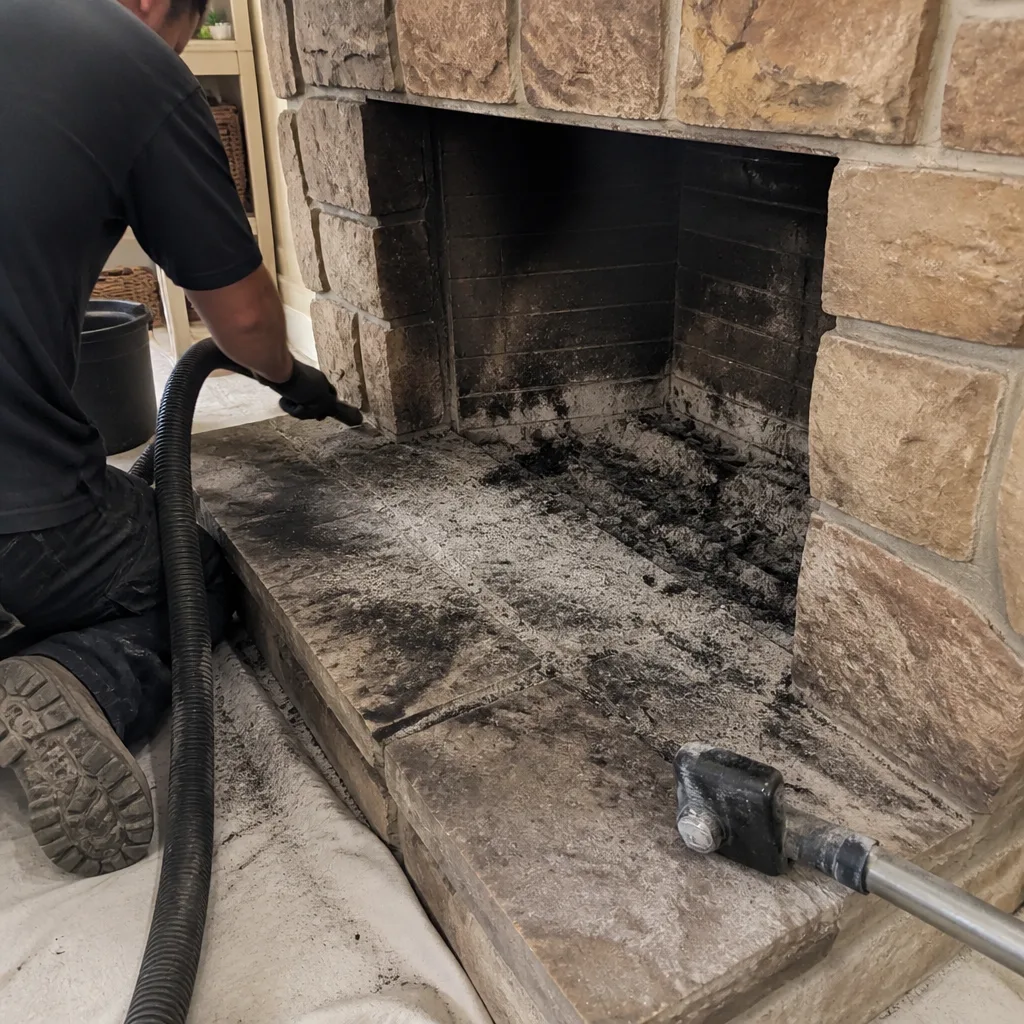 Before
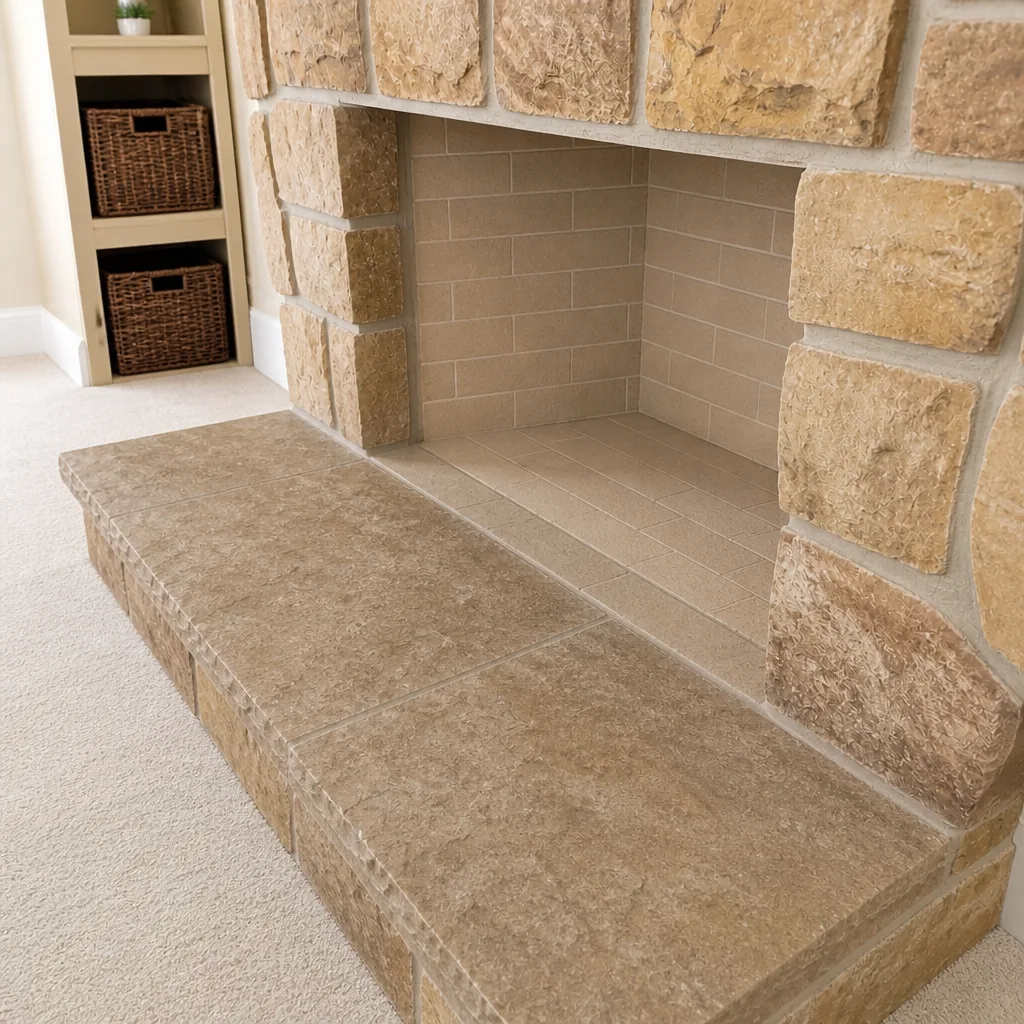 After
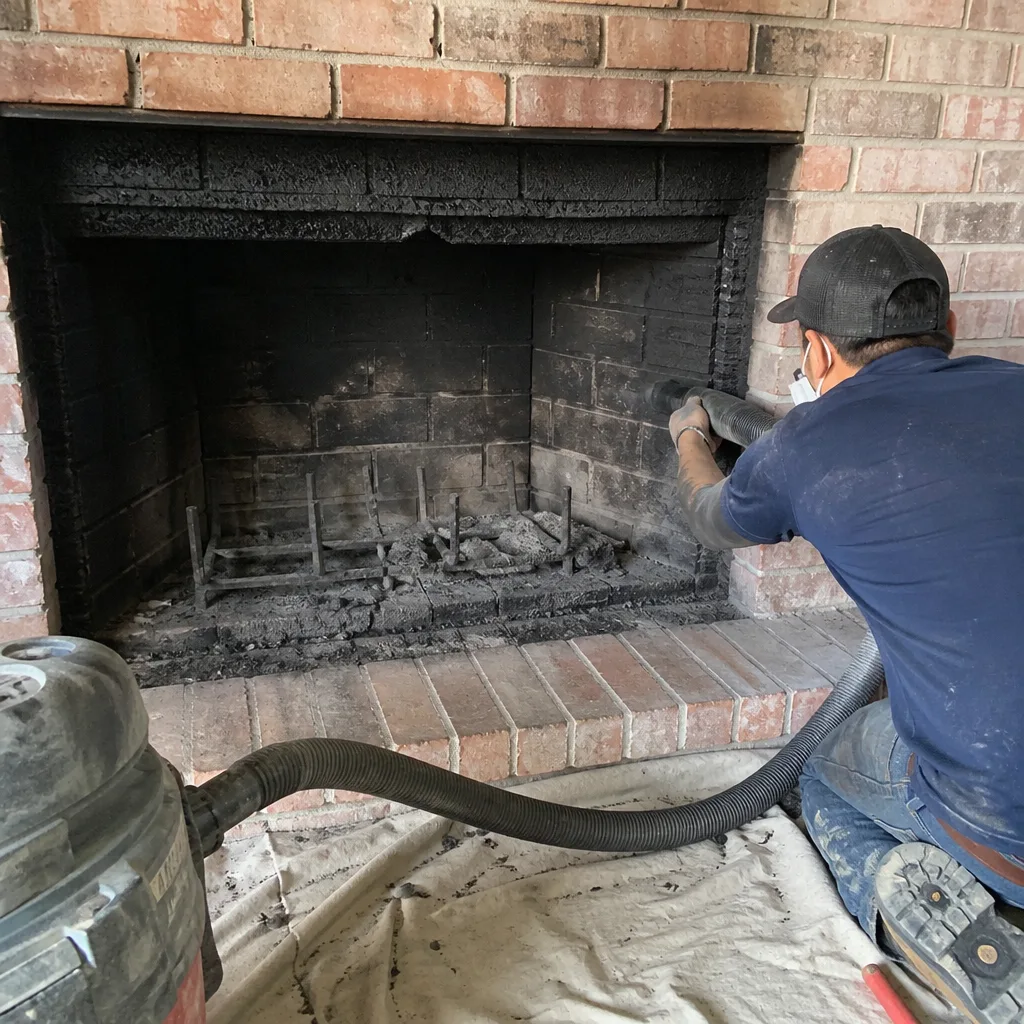 Before
 After
 Before
 After
When to Call a Professional
Call (866) 361-9474 if any of these sound like your situation: you’ve had a chimney fire and need the required Level 2 inspection before using the fireplace again; you’ve had a storm come through and want a proper post-storm assessment of the crown, cap, flashing, or masonry; you’re buying or selling a Pearland home and need an inspection report that will hold up in a real estate transaction; or it’s just been a while and you’re not sure what’s in the flue. Pearland Chimney Cleaning offers free estimates in Pearland. We answer 24/7. Fast dispatch from 7am to 7pm, Sunday through Friday. The same company handles the sweep, the inspection, and any repair, so nothing gets handed off and nothing gets missed. See our chimney sweep page if you just need the cleaning and check-up, or read more about our chimney repair work if you’ve been told you need masonry or liner corrections.
Frequently Asked Questions
Get everyone out of the house and call 911 from outside – do that before anything else. Once the family is clear, close the glass doors or firebox door if it’s safe to do so, but don’t pour water on the fire, don’t go near the roof, and don’t wait to see if the fire dies down on its own. Call (866) 361-9474 to discuss the post-fire inspection once the fire department has cleared the scene.
Not until a Level 2 inspection has confirmed the flue is intact. A small visible fire can crack flue tiles or warp a metal liner invisibly, and the risk of using a damaged chimney includes both fire spread and carbon monoxide. The inspection gives you camera evidence, so you’re not guessing. Call (866) 361-9474 to book the inspection before your next burn.
Book it as soon as the storm passes and you’ve documented the damage with photos. If the chimney is leaning, missing large sections of brick, or you see water intrusion into the attic, treat that as urgent and don’t burn in the fireplace until it’s assessed. We answer 24/7 and dispatch Sunday through Friday, 7am to 7pm. Call (866) 361-9474 to schedule.
It depends on your policy and whether the fire was caused by a maintenance issue, so call your insurer and find out. The evidence that matters most is a dated Level 2 inspection report, your fire department incident number, and photos of the firebox, flue, and chimney top taken before cleanup. Call (866) 361-9474 for the inspection report you’ll need to file.
Annual is the standard, and more often if you burn heavily or burn unseasoned wood. Pearland’s mild winters don’t change the creosote physics – a season of fires still deposits the fuel for a chimney fire. A yearly sweep and inspection catches problems while they’re cheap. Call (866) 361-9474 to schedule before the first cold weekend.
Creosote builds up, the flue develops cracks, and your chimney’s first warning can be a fire. Skipping the annual check is the most common path we see from a small maintenance fix to a major repair, and it’s the difference between a documented, insurable event and an argument with your insurer. Call (866) 361-9474 to get back on a schedule.
The Bottom Line
Chimney emergencies in Pearland come in two forms, slow failures and sudden events, and both have a protocol you can write down and rehearse today. For a chimney fire: get everyone out, call 911, close the door if it’s safe, and don’t go on the roof. For a storm: check the cap, crown, flashing, and masonry in that order, and photograph everything before you clean up. After either event, the fireplace stays off until a Level 2 inspection clears the chimney, and the inspection report is what your insurer will ask for. A proper annual sweep and a camera inspection reduce the odds you’ll ever use any of this. When you need help with the inspection, the sweep, or the repair, call (866) 361-9474 for a free estimate. One company handles all three, and we identify it, we fix it. You can also start with the Pearland Chimney Cleaning home page or see the local context on our Pearland page.
Written by the team at Pearland Chimney Cleaning.