
Last updated November 15, 2026
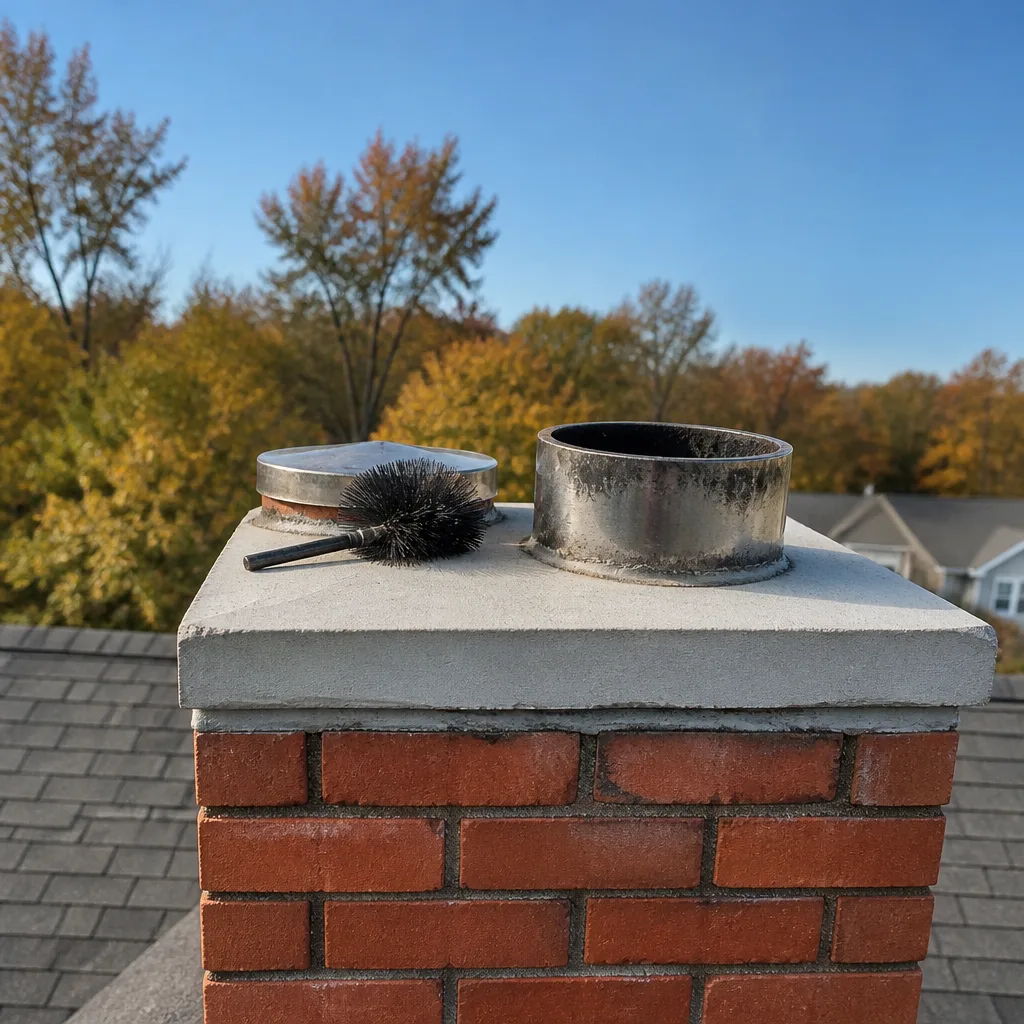 Sweep & inspection
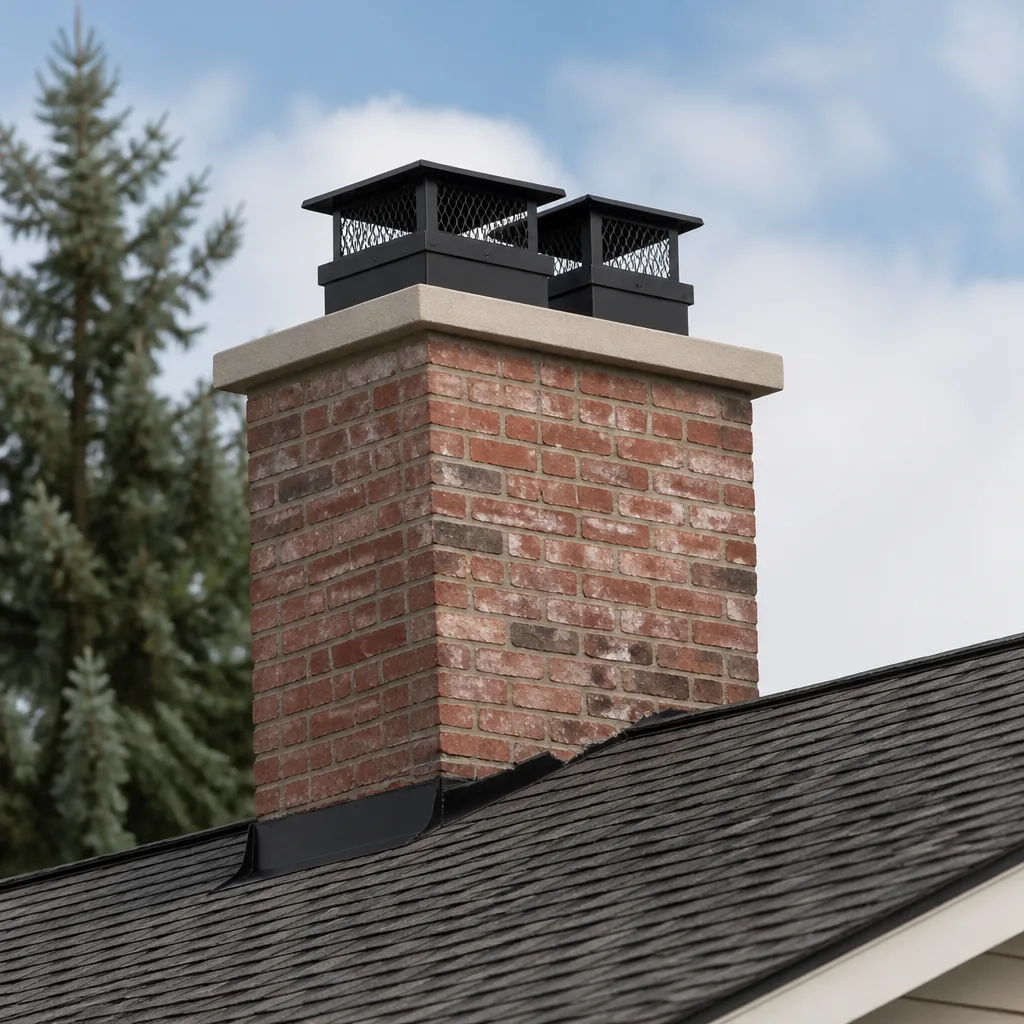 Caps & crowns
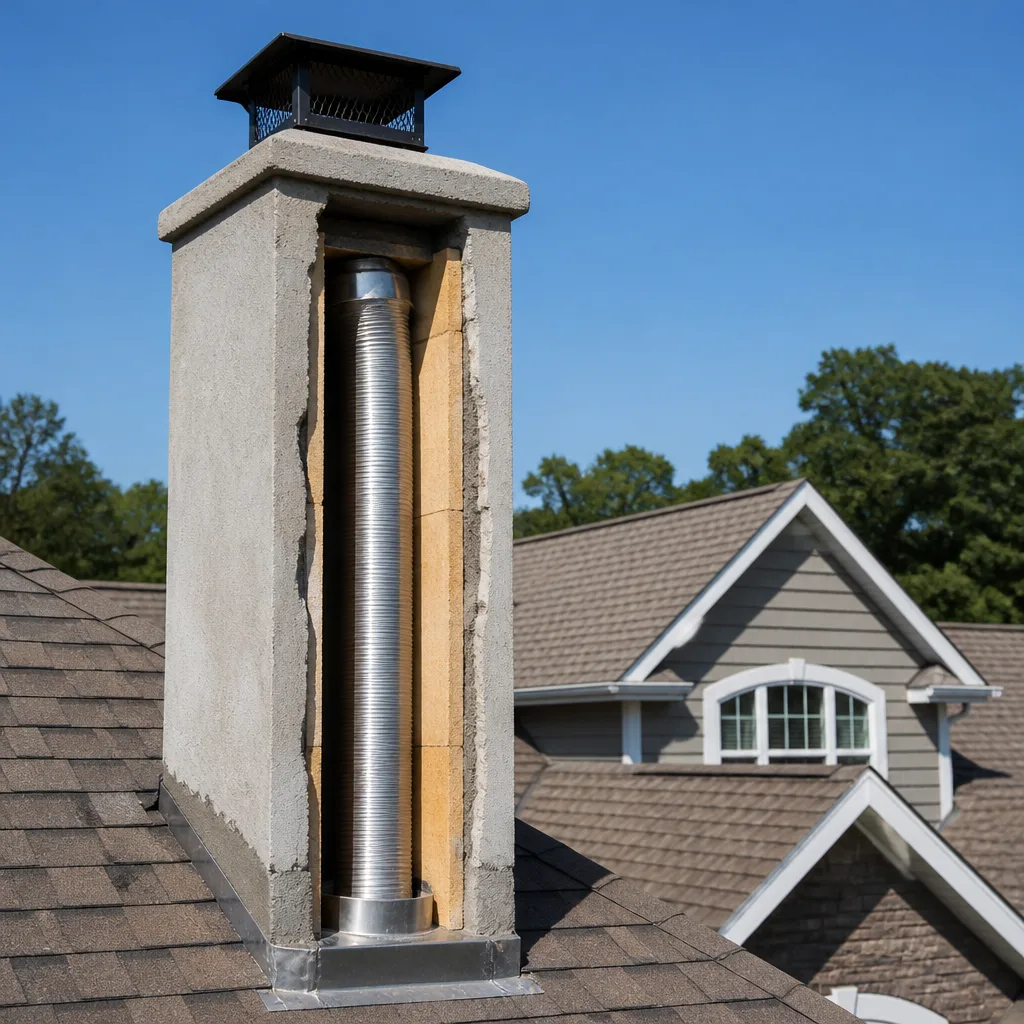 Flue relining
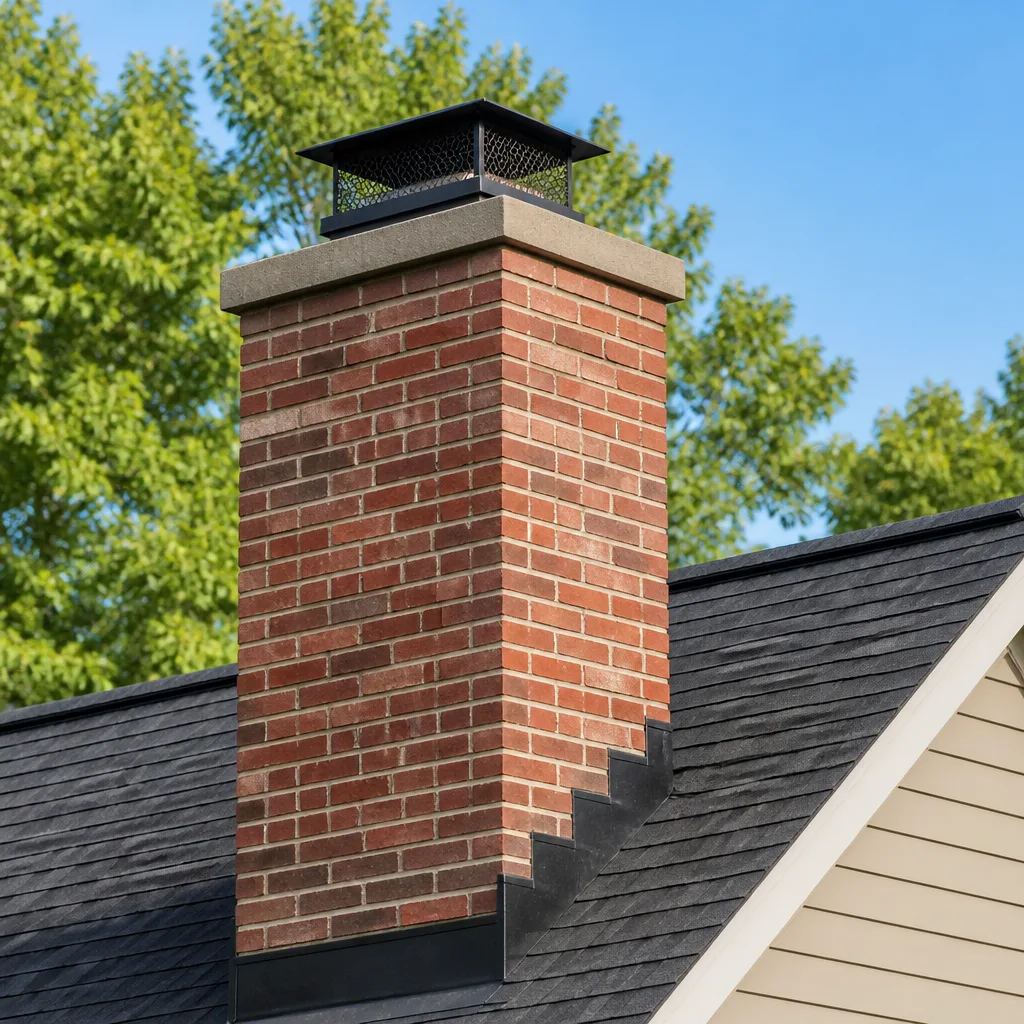 Masonry repair
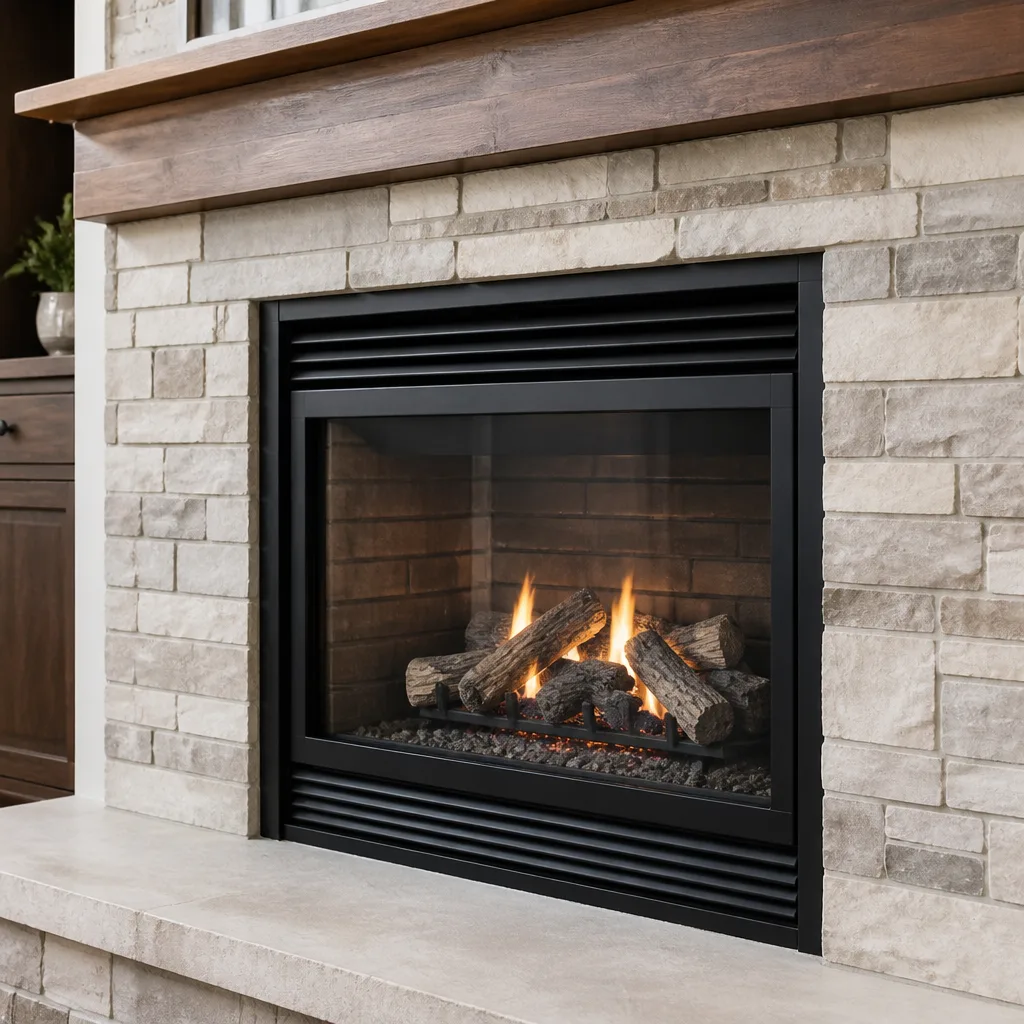 Gas fireplace service
Level 1 sweep and inspection to the NFPA 211 annual standard - flue, crown, cap, and flashing checked and photographed
Chimney sweep logs do not sweep chimneys. They loosen some creosote - which then falls where a brush and vacuum still have to collect it.
Chimney Cleaning Permits, Codes & Inspections in Pearland, TX: What You Need to Know
If a contractor tells you they’ve pulled a permit for a routine chimney sweep, that should get your attention. Cleaning a flue is maintenance, and in most cases the City of Pearland doesn’t require a permit for it. But the repairs that turn up during a cleaning – a cracked liner, a loose cap, a crumbling crown – often do trigger permitting and code requirements, and that’s where homeowners get exposed. The confusing part is that nobody hands you a map of which is which. This guide lays it out for Pearland: which chimney services need a permit, which don’t, how Texas code adoption applies to your chimney, what a Level 2 inspection actually obligates you to document, and how to verify a contractor’s work without reading the code yourself.
Quick Answer
In Pearland, routine chimney cleaning and standard inspections generally do not require a permit. Repairs that change the structure or components of the chimney system – liner replacement or relining, cap installation that alters the flue termination, and masonry repair – typically do require a permit through the City of Pearland, and the work must follow the International Residential Code as adopted by Texas and enforced locally. A Level 2 inspection is a documentation service, not a permit, but it’s the record that matters most during a real estate transaction or insurance claim.
Styles & brands we work with
- Sweep & inspection
- Caps & crowns
- Flue relining
- Masonry repair
- Gas fireplace service
Table of Contents
- Does chimney cleaning require a permit in Pearland?
- How Texas code adoption applies to your chimney
- What a Level 2 inspection actually triggers
- Your liability when unpermitted work surfaces
- How to verify a contractor’s work is code-compliant
- Pearland neighborhoods and housing stock considerations
- How Pearland’s climate shapes chimney wear
- Common mistakes to avoid
Does chimney cleaning require a permit in Pearland?
No. Routine chimney cleaning – sweeping creosote and soot from the flue – is considered maintenance, not construction, and the City of Pearland does not require a permit for a standard sweep. The same holds for a Level 1 inspection, which is the visual, non-invasive check most homeowners get once a year. If anyone tells you otherwise, ask them why. Cleaning a flue doesn’t alter the structure of a home, and permitting a maintenance task is not how the code process works.
Where permits come into play is when the work changes the chimney system:
- Liner replacement or relining: Installing a new stainless liner, or restoring an existing one with a product like HeatShield, is a structural component change and typically requires a permit.
- Cap installation that alters the flue termination: A simple replacement cap in kind may not, but any cap work that changes the termination or affects draft and venting usually does.
- Masonry repair: Rebuilding a crown, tuckpointing sections of the stack, or repairing firebox masonry almost always requires a permit.
- Firebox or damper replacement: Swapping out the firebox or damper assembly is a component replacement and falls under permit review.
- New chimney construction or major rebuild: Any structural work on the chimney itself requires a permit and inspection.
Here’s the practical distinction: if the work removes, replaces, or restores a component in the chimney system, treat it as permit territory. If the work only removes soot from a chimney that’s already built, it’s maintenance. That line is not as blurry as it sounds once you know what side of it a job falls on.
One caveat for Pearland homeowners: permit requirements live at both the city and county level, and both can apply depending on where you are and what’s being done. If you’re not sure whether a specific repair needs a permit, the safest move is to ask the City of Pearland’s building department directly before work starts. A reputable contractor won’t hesitate to have that conversation with you.
How Texas code adoption applies to your chimney
Texas adopts the International Residential Code (IRC) as the foundation for residential construction, and Pearland enforces it through its local building department. The IRC includes detailed provisions for chimneys, fireplaces, and vents – how a liner must be sized, how clearances from combustibles are maintained, how a chimney must be terminated above the roofline, and what materials are allowed in a flue. When a repair or liner job requires a permit, the inspection that follows confirms the work meets those IRC provisions and the local amendments Pearland has adopted.
What that means for a liner replacement: the new liner must be sized correctly for the appliance it serves, must be listed and labeled for the application, and must maintain proper clearances from combustibles. A stainless liner from a professional-grade brand like DuraFlex, or a restoration system like HeatShield, is built to those standards. Generic hardware-store components are not – and that gap shows up at inspection time, or worse, at resale.
For cap installation, the IRC covers termination requirements: how far above the roof and how far from other structures the flue must terminate. A cap that changes the termination height or geometry can affect draft and code compliance. That’s why cap work sometimes triggers a permit even though it feels like a small job.
For masonry repair, the IRC addresses firebox construction, hearth extension dimensions, and the thickness and material of the chimney walls. Rebuilding a crown or repairing firebox masonry requires meeting those provisions, which is why the permit and inspection process is worth doing properly.
We work with professional-grade parts – DuraFlex, HeatShield, Gelco, Olympia Chimney, Famco, and Copperfield – because the code compliance question is settled at the material level. A listed component meets the standard; an unlisted one doesn’t, no matter how carefully it’s installed. If you want the code interpretation without reading Chapter 10 of the IRC yourself, ask your contractor to name the standard the component is listed to and produce the listing. That’s the plain-language version of code compliance.
What a Level 2 inspection actually triggers
A Level 2 inspection is the next level up from the annual visual check. It’s a more thorough examination of the chimney – accessible portions of the flue, the attic and crawlspace areas around the chimney, and the connections to the appliance – and it’s the inspection the real estate and insurance industries rely on. It’s also the inspection that creates a paper trail. A Level 2 is not a permit, but when it’s done for a transaction or a claim, the written report and photos are what everyone will ask for later.
A Level 2 is triggered in several situations:
- During a real estate transaction: A buyer or seller needs documentation that the chimney is structurally sound, or a written list of defects to negotiate repairs. A Level 2 report supplies both.
- After an event that may have damaged the chimney: A chimney fire, a lightning strike, or a seismic event warrants a Level 2 before the chimney is used again.
- When changing the appliance or fuel type: Switching from wood to gas, or installing a new insert, changes the venting requirements and calls for a Level 2.
- When a prior inspection found a defect: A Level 1 that turned up signs of trouble should be followed by a Level 2 to determine the extent.
What makes the Level 2 matter legally: it’s the document that carries weight when a buyer’s inspector or an insurance adjuster asks what condition the chimney was in. A photo-documented report with clear findings is the evidence. In our experience helping Pearland homeowners through transactions and claims, the report is worth as much as the inspection itself.
Your liability when unpermitted work surfaces
Unpermitted chimney work tends to surface at the worst possible moment: during a home sale, during an insurance claim, or during a city inspection triggered by something else. When it does, the liability lands on the homeowner, not the contractor who did the work. That’s the part most people don’t see coming.
During a home sale, a buyer’s inspector who finds a liner or masonry repair that doesn’t match permitted records can flag it as an open permit or unpermitted work. That can stall a closing, force a retroactive permit and inspection at the seller’s expense, or become a negotiating point that costs far more than the original repair. In insurance claims, an adjuster reviewing a chimney fire or water intrusion claim will ask whether the work that failed was permitted and inspected. If it wasn’t, coverage for that portion of the loss can be disputed.
The exposure is real and it’s the homeowner’s to carry. A contractor who performs unpermitted structural chimney work can walk away from the problem; the property record stays with the house. That asymmetry is why the permit question matters even though a permit costs time and money. The permit is cheap insurance against a liability that follows the house.
For Pearland homeowners, the practical protection is documentation. Keep the permit records for any chimney repair. Keep the inspection reports. If you’re buying or selling a home in Pearland, ask for the chimney’s permit history and any inspection reports from the past few years. If a seller can’t produce them, that’s a question to resolve before closing, not after.
How to verify a contractor’s work is code-compliant
You don’t have to interpret the IRC to confirm the work was done right. You need a contractor who will show you the documentation and a process that lets you check it. Here’s how to do it:
- Ask what permit the job requires before work starts. A straightforward answer naming the permit and the inspecting authority is a good sign. A vague answer or a claim that no permit is needed for structural work is a warning.
- Ask for the component listing. Any liner, cap, or masonry material installed should be a listed, labeled product. Ask for the brand and the standard it’s listed to. Professional-grade brands like DuraFlex, HeatShield, Gelco, Olympia Chimney, Famco, and Copperfield are listed products; the contractor should be able to tell you which one is going in and why.
- Get the inspection report in writing. A Level 2 inspection comes with a written report and photos of what was found. If you don’t get a report, you didn’t get an inspection; you got a verbal guess.
- Ask for the final inspection record. When a permit is required, the city inspection is the confirmation the work meets code. Ask to see the signed-off record when the job closes.
- Confirm the work scope in the estimate. The written estimate should say what’s being installed, what the permit status is, and what the final inspection will cover. If it doesn’t mention permitting on a structural job, ask why.
One call covering Pearland Chimney Cleaning means the same company that diagnoses the problem also corrects it and answers for the paperwork. That single-source accountability matters because the permit, the installation, and the inspection all need to line up, and it’s a lot easier when one company owns all three.
Pearland neighborhoods and housing stock considerations
Chimney permit questions don’t land the same way across Pearland. The city’s housing stock spans decades, and the age and construction of a chimney affects what a repair involves and whether a permit is likely to be required. In older established neighborhoods, fireplace chimneys were built to a different era of code, and repairs there often involve bringing the system up to current IRC provisions rather than just restoring it as-is. In newer construction, the chimney system is more likely to already meet current code, so repairs tend to be component replacements rather than code upgrades.
What this means for permits: a repair in an older home is more likely to cross the line into structural or code-upgrade territory, which is where the permit requirement lives. A repair in newer construction is often a straightforward component swap. Either way, the permit question is answered by looking at the specific job, not by the neighborhood name. But it’s worth knowing that the answer shifts block by block across Pearland.
For homeowners in Pearland, the useful move is to get an inspection first and let the findings drive the permit conversation. An inspection tells you what’s actually there; the permit question follows from what the inspection found. Guessing at permits before you know the condition of the chimney is guessing in the dark.
We also see the transaction question come up across Pearland: buyers and sellers who need a credible inspection before or during a real estate transaction. The inspection is the same discipline – inspect first, then recommend – and the report is what travels with the deal.
How Pearland’s climate shapes chimney wear
Pearland winters are mild, and that changes the chimney maintenance picture in ways that matter for code and inspection. Homes here don’t run their fireplaces as many months of the year as colder climates, so creosote accumulates more slowly and the annual cleaning cadence can stretch. But the milder climate doesn’t mean less risk; it means a different pattern of wear. The chimney still handles moisture, the masonry still weathers, and the liner still degrades over time.
The practical consequence is that some Pearland homeowners skip the annual inspection because the fireplace only runs a few weeks a year. That’s the wrong conclusion. The inspection isn’t only about creosote; it’s about the condition of the liner, the cap, the crown, and the firebox, all of which age regardless of how often the fireplace is lit. The inspection-first discipline catches those problems before they become repairs requiring permits.
Humidity is the more persistent factor. Moisture in masonry leads to spalling, and a spalled crown or firebox is exactly the kind of masonry repair that requires a permit. Keeping the cap and crown intact – and getting them checked annually – is how you keep a small maintenance issue from becoming a permitted masonry job. That’s the code logic in plain terms: prevention is cheaper than permitting.
Common Mistakes to Avoid
- Assuming a cleaning permit covers repairs. A cleaning permit, where one exists, does not authorize liner or masonry work. The permit has to match the scope of the job, and a repair under a cleaning permit is unpermitted work.
- Skipping the permit because the contractor says it’s not needed. On structural work, get a second opinion. Unpermitted liner replacement is the most common liability trap we see in Pearland, and it surfaces at resale.
- Accepting a verbal inspection. A Level 2 without a written report and photos is not documentation. If it’s not written down, it didn’t happen for the purposes of a transaction or claim.
- Letting a generalist handyman do the chimney work. Chimney repairs cross into IRC compliance and permitting, and a handyman isn’t set up to pull the permit or pass the inspection. One call covering chimney repair through a chimney specialist avoids that gap.
- Using generic hardware-store parts. Unlisted components can fail inspection and void your coverage for the portion of the chimney they affect. Listed products from professional brands are what the code process is built around.
- Ignoring the permit history when buying a home in Pearland. Ask for it. A missing permit on a prior repair is an open question, and it’s much cheaper to resolve before closing than after.
- Treating a Level 2 as a formality. It’s the inspection the real estate and insurance industries rely on. Get it done properly, with a report you can hand to an adjuster or a buyer’s inspector.
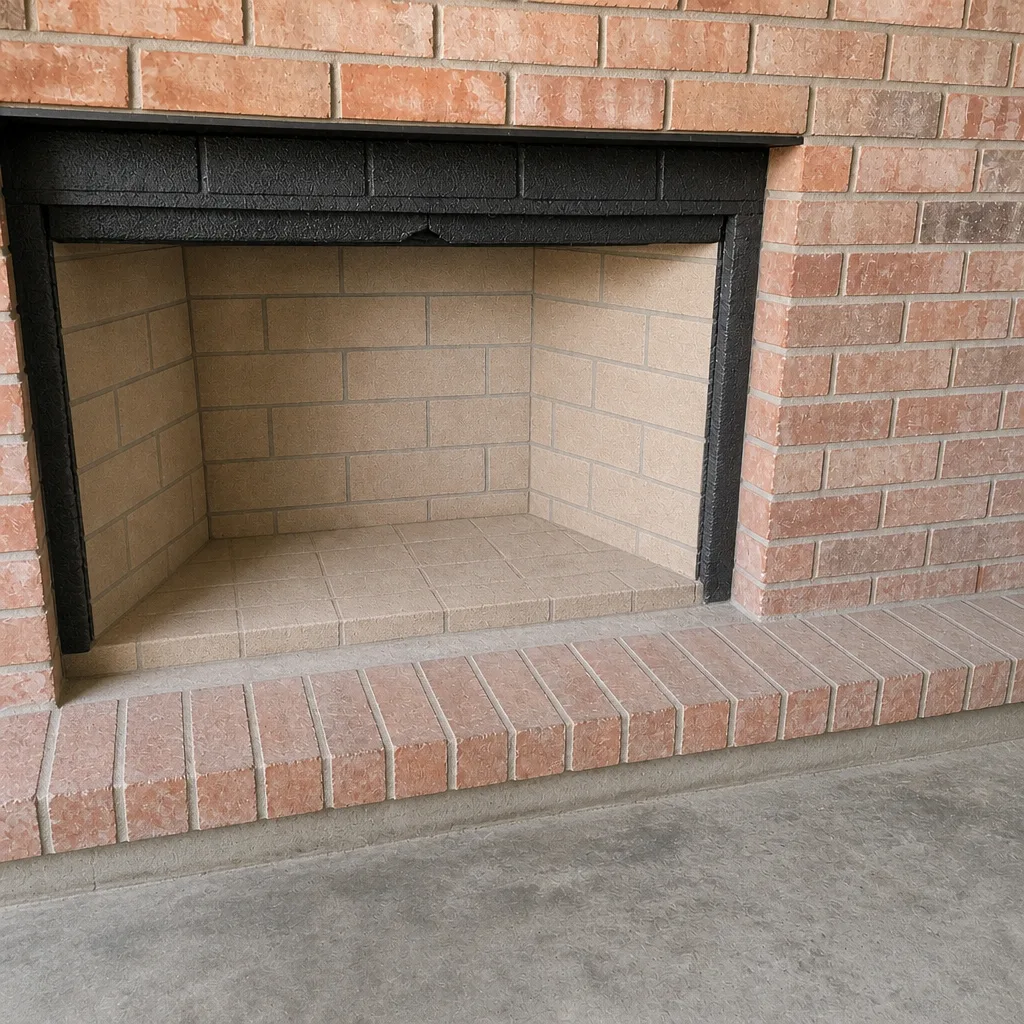
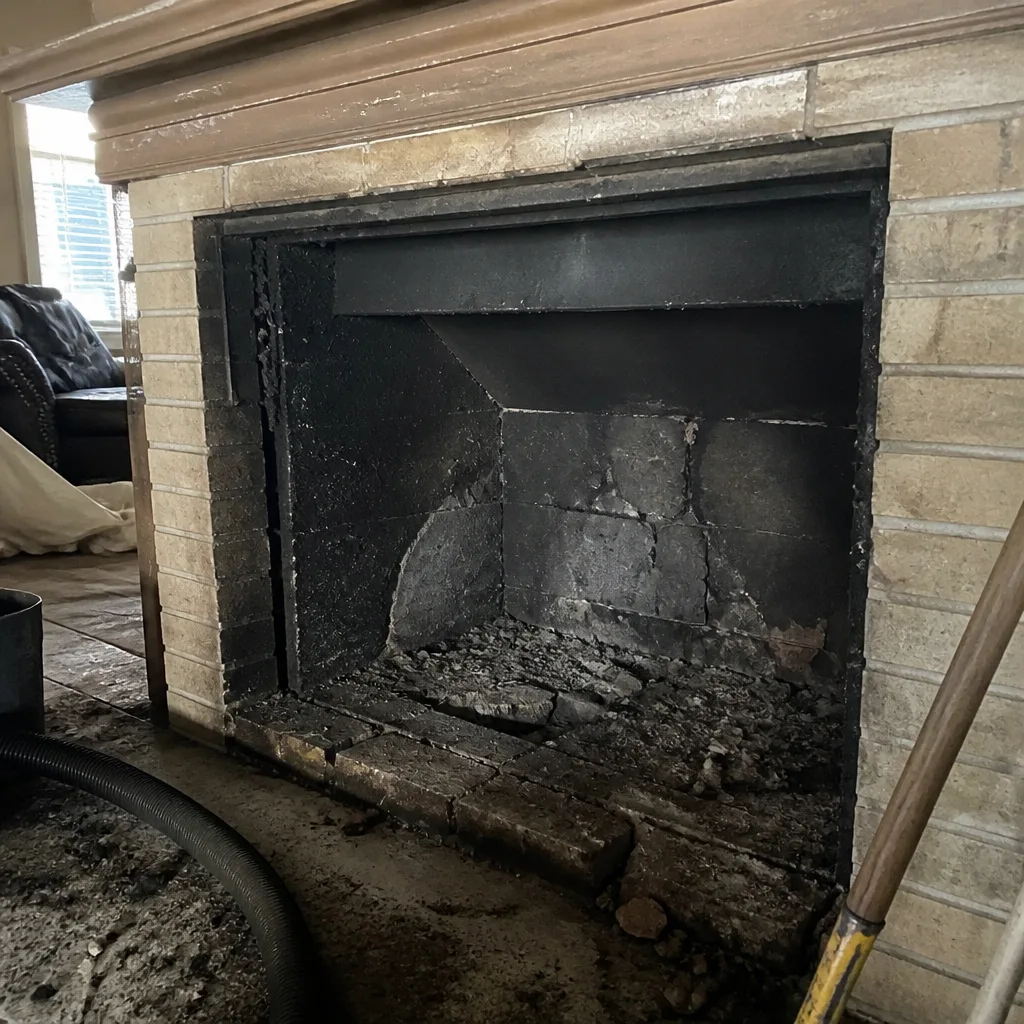
See the difference
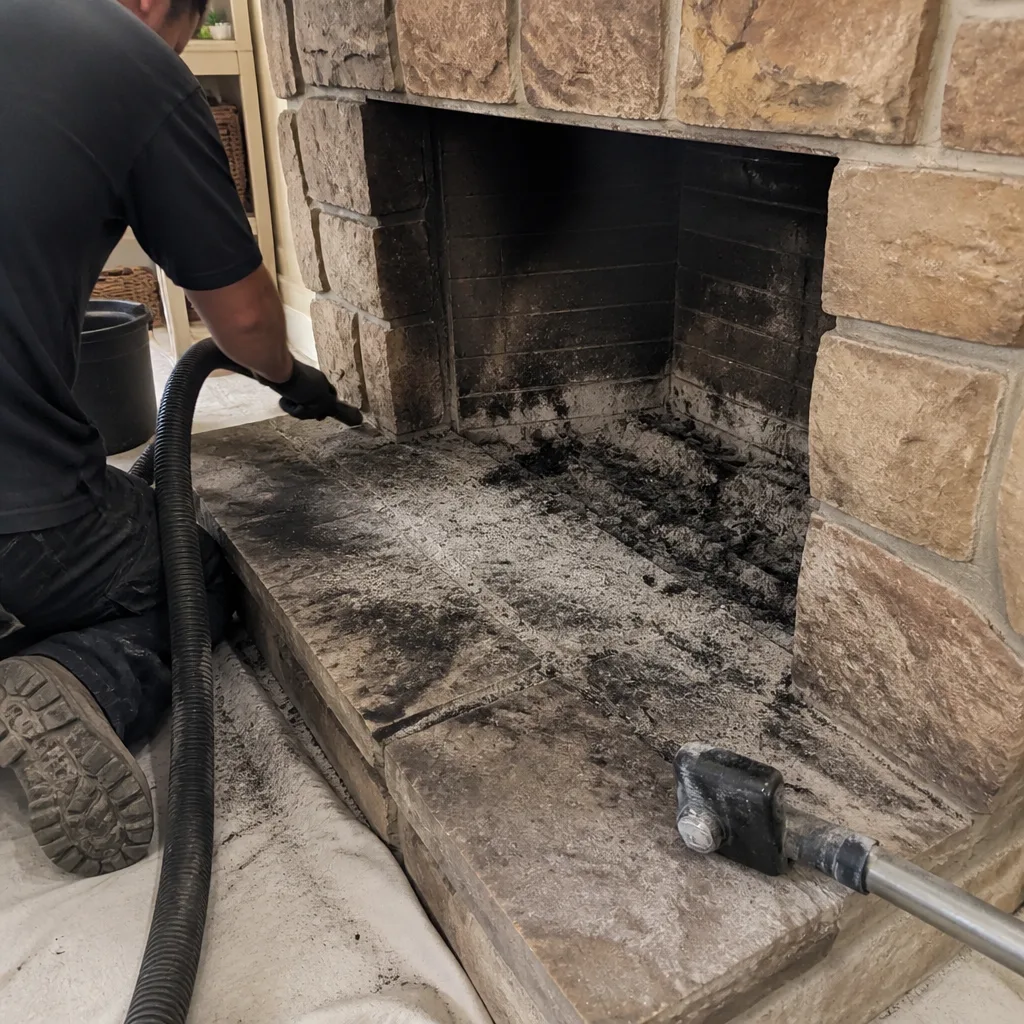 Before
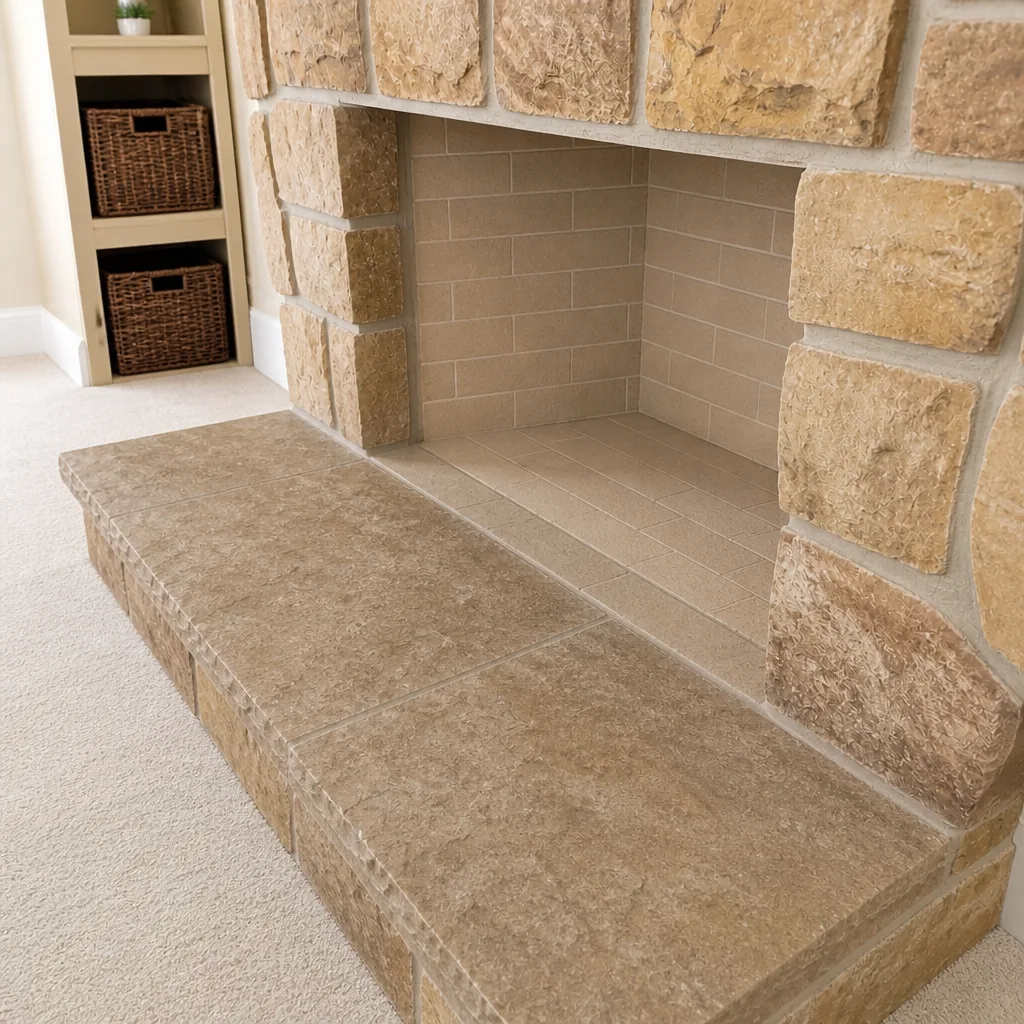 After
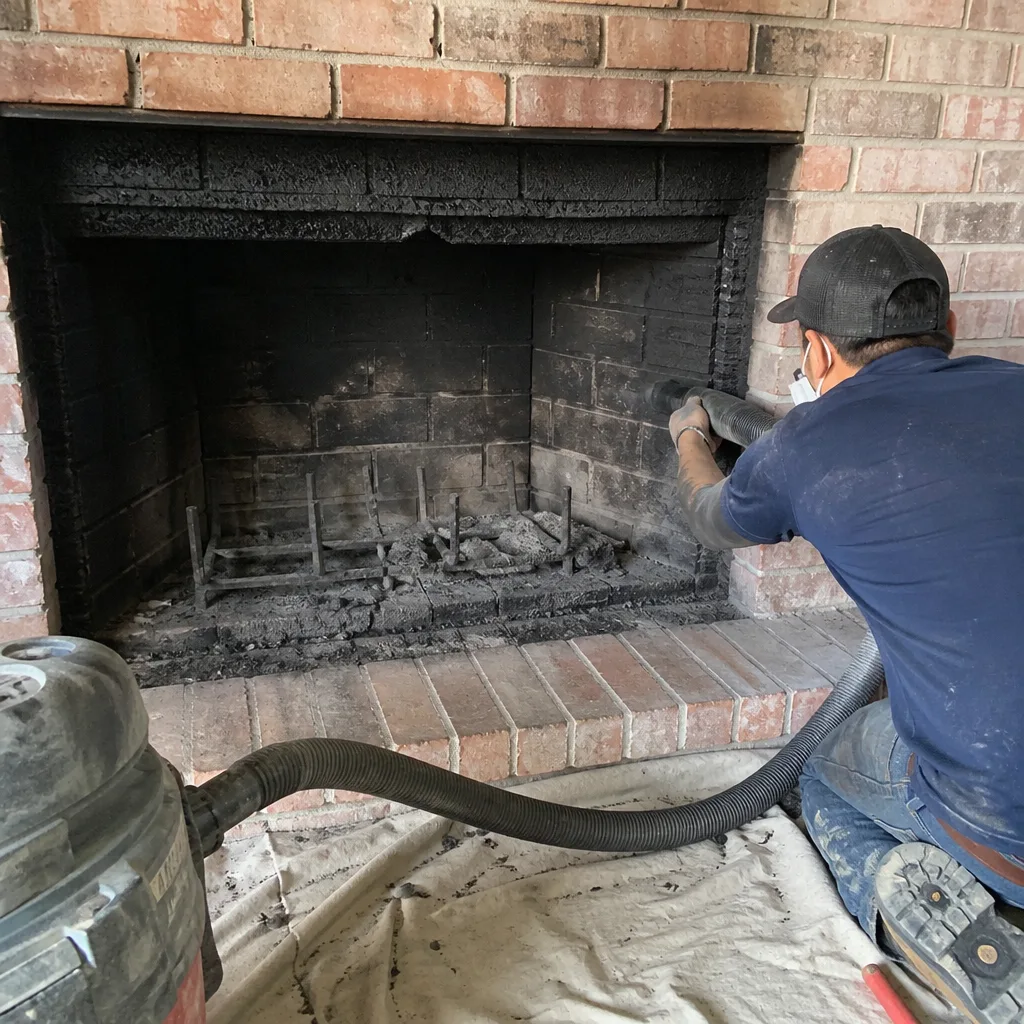 Before
 After
 Before
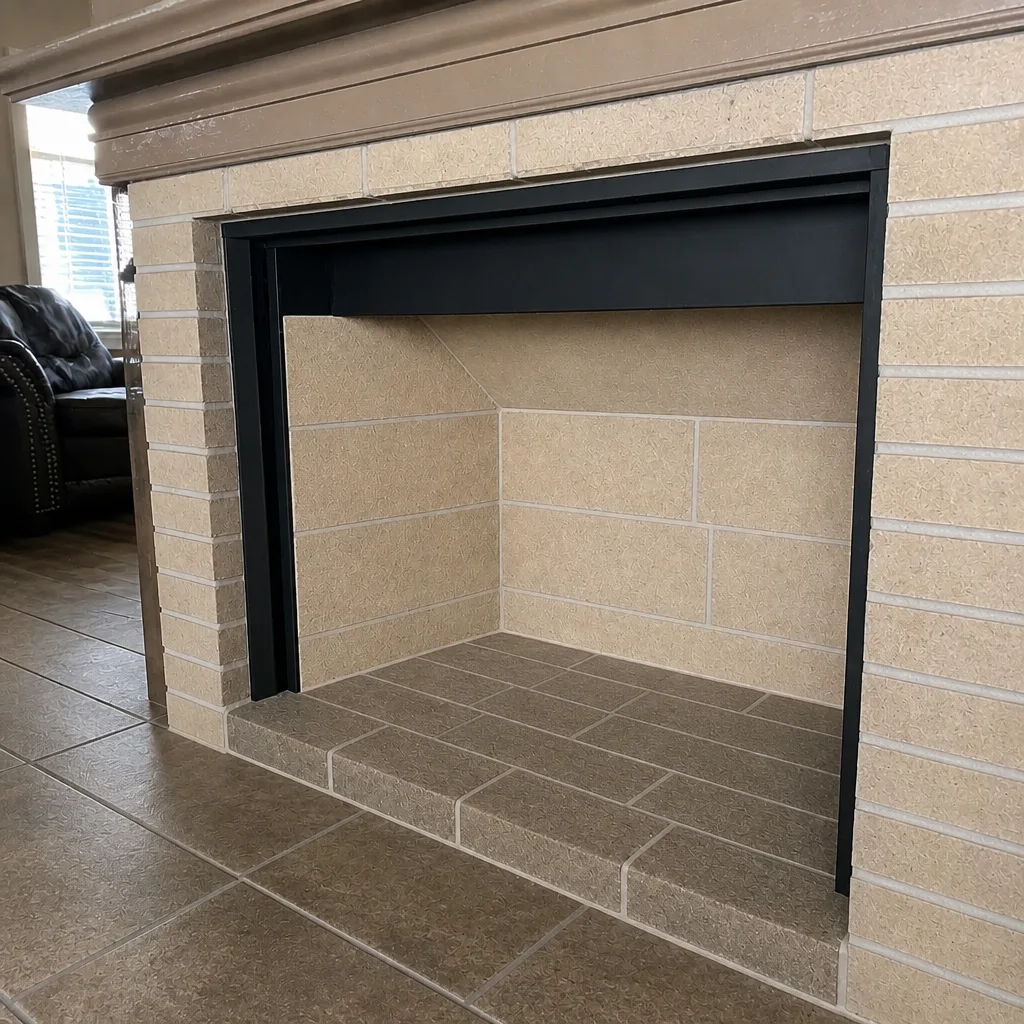 After
When to Call a Professional
Call a professional when the repair crosses into structural or component work, when a real estate transaction or insurance claim requires documentation, or when you don’t know whether a repair needs a permit – because that’s exactly the question a chimney specialist answers. Don’t guess on liner replacement, cap work, or masonry repair. Don’t let a generalist handle permitting. And don’t skip the Level 2 when a transaction or claim is on the line. Pearland Chimney Cleaning offers free estimates in Pearland – call (866) 361-9474. We answer 24/7. Fast dispatch from 7am to 7pm, Sunday through Friday. The estimate is free and the price is set per job by the written estimate.
Frequently Asked Questions
No. Routine chimney cleaning is maintenance and does not require a permit in Pearland. Structural repairs like liner replacement or masonry repair typically do. Call (866) 361-9474 for an exact quote – estimates are free.
Yes, in most cases. Liner replacement is a structural component change and generally requires a permit through the City of Pearland, with the work following IRC provisions as enforced locally. Confirm the permit requirement with the City of Pearland building department before work starts, and make sure your contractor pulls it. Call (866) 361-9474 for an exact quote – estimates are free.
A Level 2 inspection documents the condition of the chimney system – accessible flue areas, attic and crawlspace areas around the chimney, and appliance connections – with a written report and photos. That report is what buyers, sellers, and insurance adjusters rely on during a transaction or claim. Call (866) 361-9474 for an exact quote – estimates are free.
It can stall the closing or become a negotiating point. The buyer’s inspector may flag the open permit or unpermitted repair, which can force a retroactive permit and inspection at the seller’s expense. Resolving it before closing is far cheaper than after. Call (866) 361-9474 for an exact quote – estimates are free.
Ask for the permit before work starts, the component listing for the materials being installed, the written inspection report, and the final inspection sign-off when the job closes. A contractor who produces all four is working to code. Call (866) 361-9474 for an exact quote – estimates are free.
Once a year is the standard recommendation, even though Pearland’s mild winters mean the fireplace runs fewer weeks than in colder climates. The inspection checks the liner, cap, crown, and firebox, all of which age regardless of use. Call (866) 361-9474 for an exact quote – estimates are free.
The Bottom Line
Cleaning a chimney is maintenance and doesn’t need a permit in Pearland. Repairing one – liner replacement, cap work that changes the termination, masonry repair, firebox or damper replacement – typically does, and that’s the line homeowners miss. The IRC provisions Texas adopts and Pearland enforces apply to those structural jobs, and a Level 2 inspection is the documentation that carries weight in a real estate transaction or insurance claim. Unpermitted work becomes the homeowner’s liability when it surfaces at resale or in a claim. Verify compliance by asking for the permit, the component listing, the written report, and the final inspection record. One company handling sweep, inspection, and repair keeps all four aligned. We identify it, we fix it. If you’re unsure which side of the permit line your chimney is on, get an inspection first and let the findings drive the answer.
Call Pearland Chimney Cleaning at (866) 361-9474 for a free estimate on a chimney sweep, inspection, or repair. We answer 24/7. Fast dispatch from 7am to 7pm, Sunday through Friday. Inspections are suitable for real estate transactions, insurance documentation, and annual safety compliance, and nothing is recommended without evidence you can see for yourself.
Written by the team at Pearland Chimney Cleaning.