
Last updated November 15, 2026
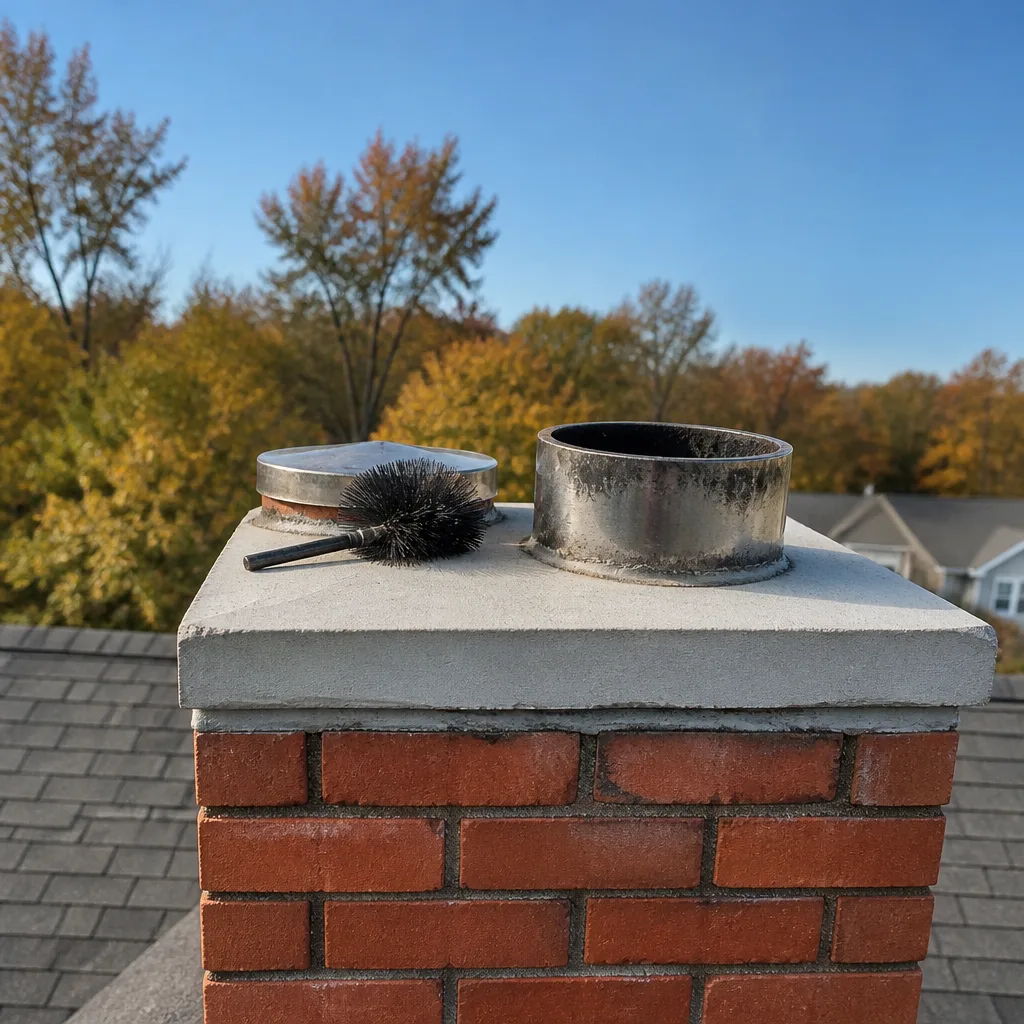 Sweep & inspection
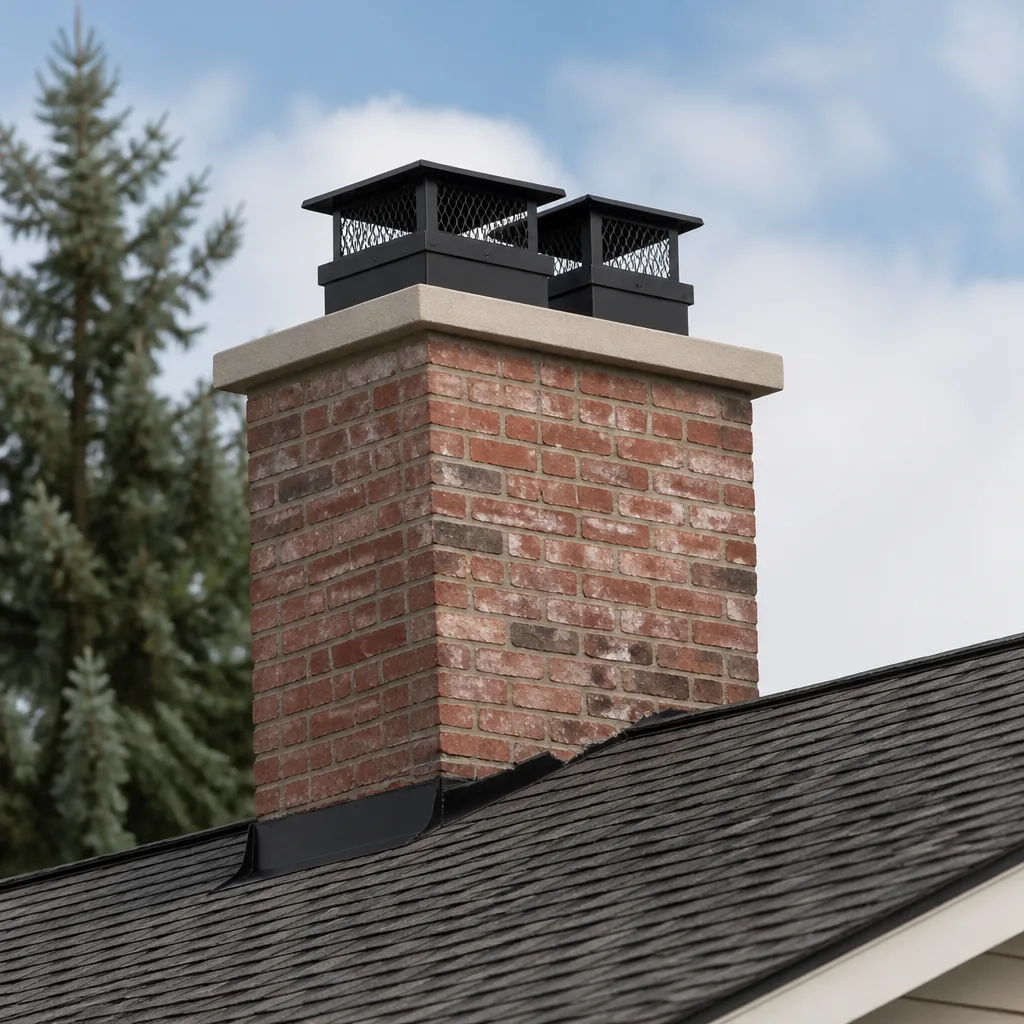 Caps & crowns
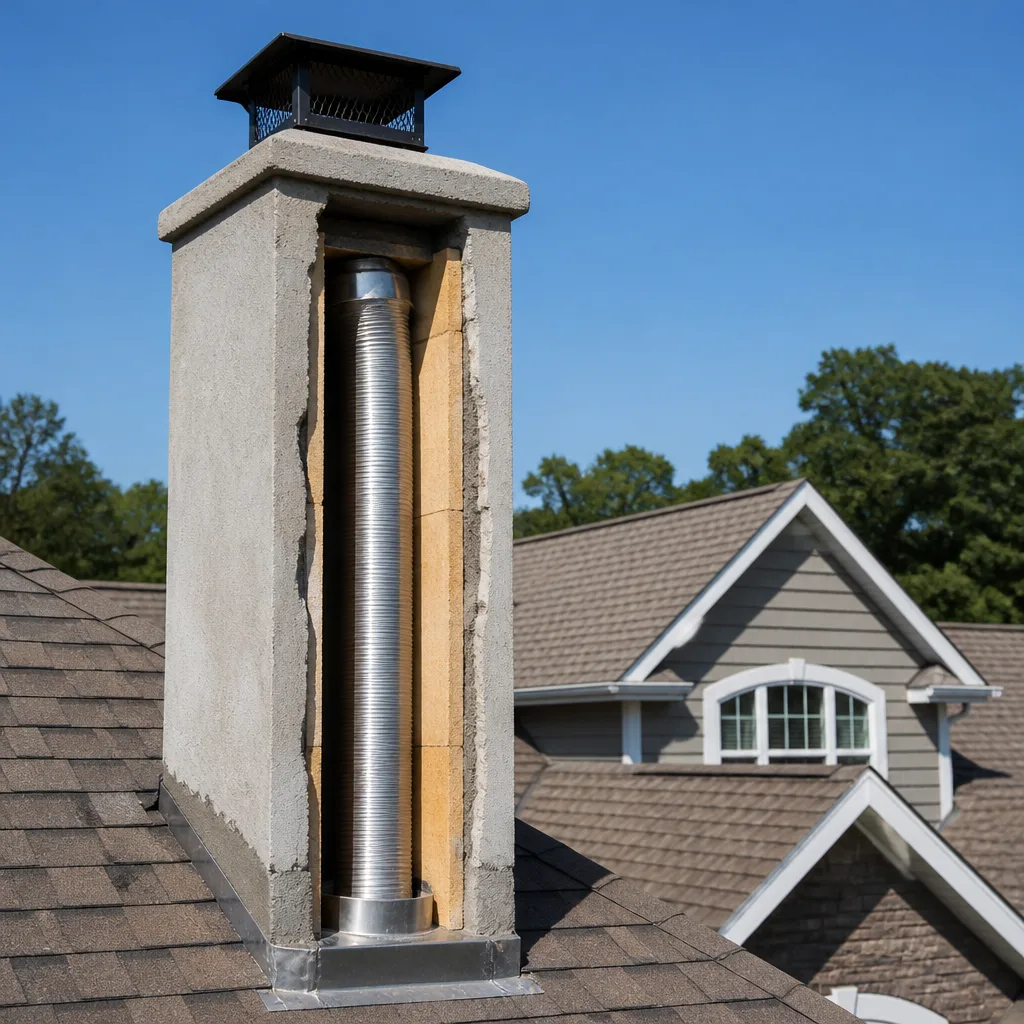 Flue relining
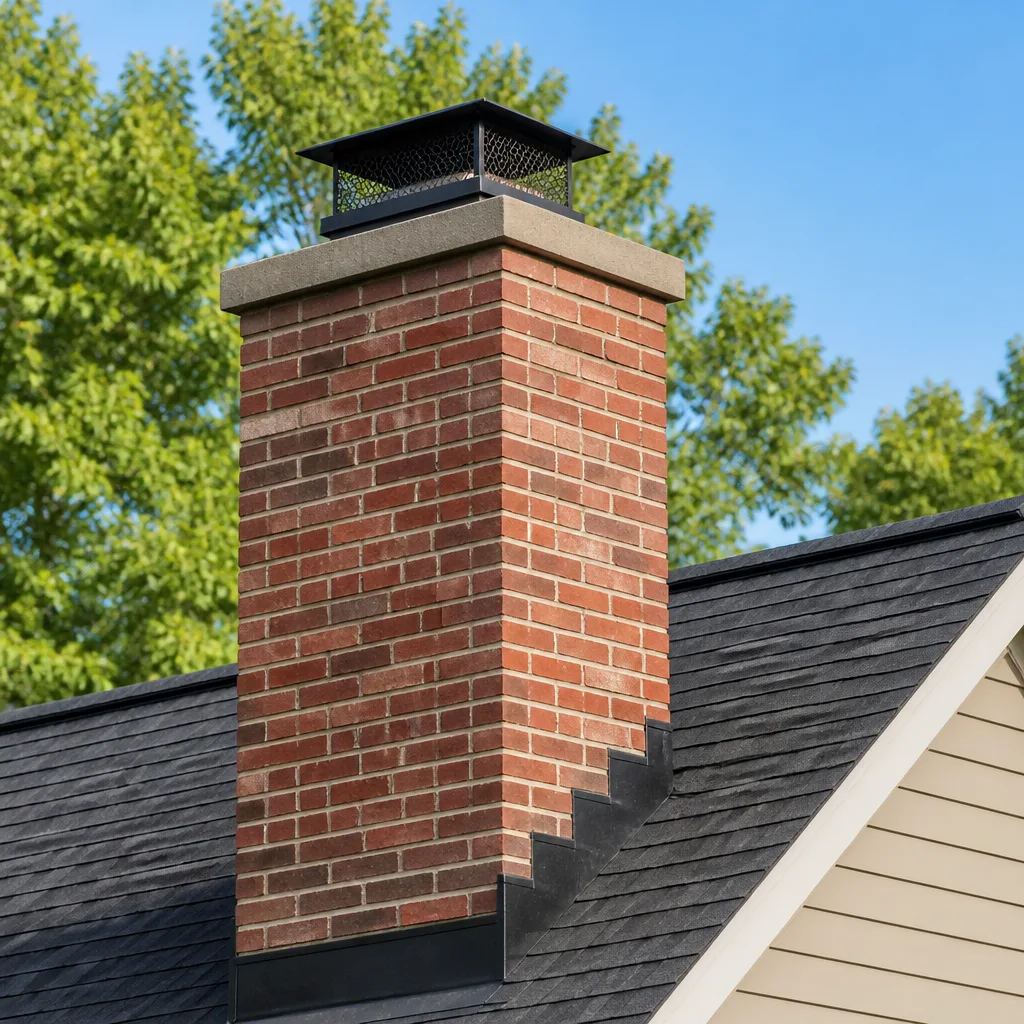 Masonry repair
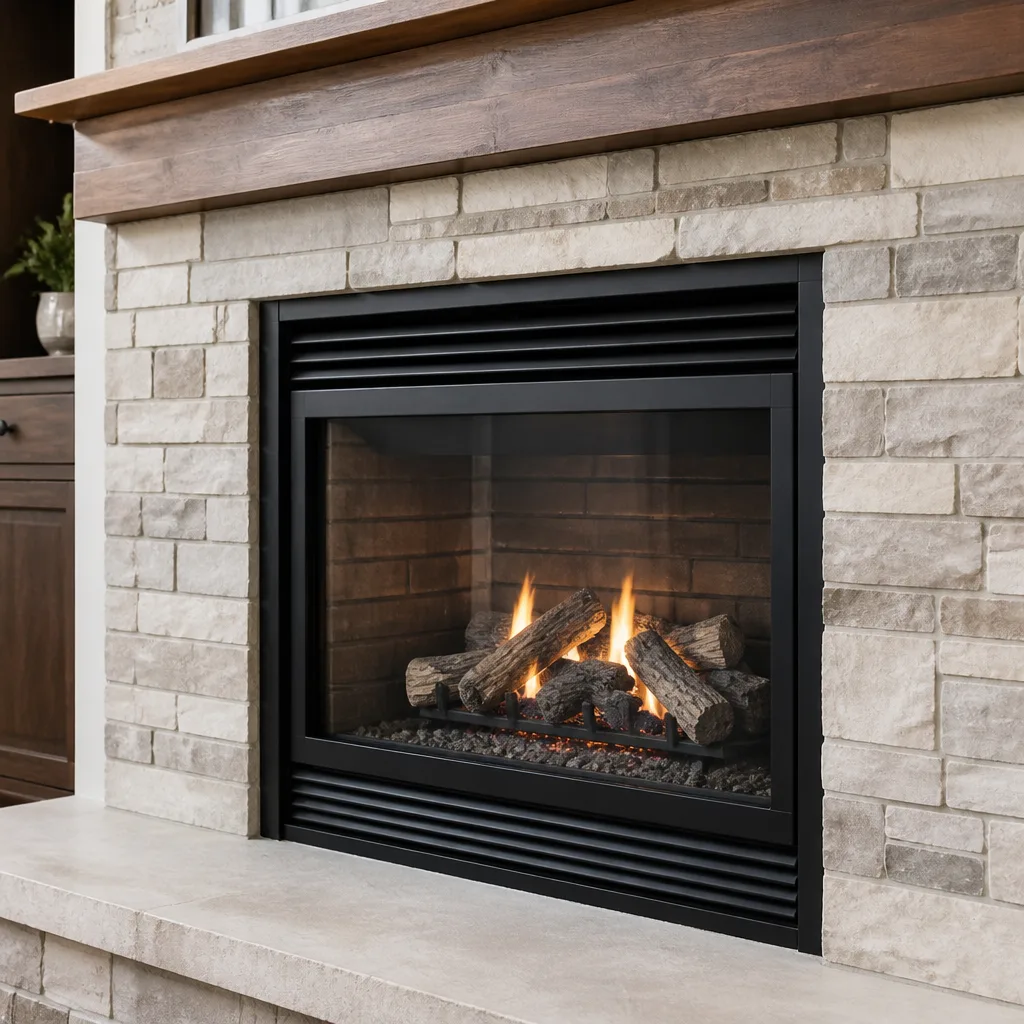 Gas fireplace service
Level 1 sweep and inspection to the NFPA 211 annual standard - flue, crown, cap, and flashing checked and photographed
Chimney sweep logs do not sweep chimneys. They loosen some creosote - which then falls where a brush and vacuum still have to collect it.
How to Hire a Chimney Cleaning Contractor in Pearland: A Step-by-Step Guide
A CSIA-certified card in a contractor’s wallet means they passed a test. It doesn’t tell you whether they’ll bring professional-grade tools, hand you written documentation of what they found, or recommend a liner you may not need. That’s the gap most Pearland homeowners fall into. They vet credentials carefully and then accept whatever comes out of the truck and whatever comes out of the contractor’s mouth. This guide reframes the whole hiring process around outputs and accountability: what you should receive in writing, what a legitimate estimate looks like, and how to tell a full-service chimney specialist from a sweep-only crew before anyone touches your flue.
Quick Answer
To hire a chimney cleaning contractor in Pearland, ask three things before booking: whether the company performs sweep, inspection, and repair under one roof, what written deliverables you’ll receive after the visit (inspection report, photos, findings), and how their estimate separates inspection from cleaning from any recommended repair. A contractor who can answer all three clearly, who carries proper insurance, and who puts recommendations in writing based on camera evidence is one worth hiring. A contractor who can’t do those things is a gamble regardless of the certificate on their wall.
Styles & brands we work with
- Sweep & inspection
- Caps & crowns
- Flue relining
- Masonry repair
- Gas fireplace service
Table of Contents
- Why the Standard Vetting Advice Falls Short in Pearland
- What Written Deliverables You Should Receive After Every Visit
- Full-Service Specialist vs. Sweep-Only Crew: How to Tell Them Apart
- How to Compare Quotes When Contractors Bundle Differently
- Red Flags That Appear in the Estimate Phase
- What Insurance Coverage Is Non-Negotiable in Texas
- Step-by-Step: The Hiring Process From First Call to Signed Estimate
- Seasonal Timing for Pearland Chimneys
Why the Standard Vetting Advice Falls Short in Pearland
Most hiring guides tell you to check for certification, ask for references, and get three quotes. That advice isn’t wrong, but it’s incomplete. In Pearland, where the housing stock ranges from established homes near Old Pearland to newer construction out toward Shadow Creek Ranch and Silverlake, the chimney systems vary widely. A contractor who’s competent on one type of flue may struggle with another. Certifications verify a baseline of knowledge; they don’t verify that the person in your living room will apply it honestly.
The real problem is that homeowners ask questions about credentials and credentials are the easy part. The harder questions are about process. What does the contractor actually do during a visit? What do you get at the end? How do they decide whether to recommend a repair versus a cleaning? Those questions separate a contractor who treats the job as a transaction from one who treats it as a diagnosis.
We’ve built our own process around an inspect-first discipline: clean the flue, run a camera, document what the camera sees, then recommend based on evidence. That sequence matters because it makes the recommendation checkable. You can look at the same photos. You can ask why a specific finding matters. You can decide for yourself whether the work is urgent or can wait.
Pearland’s mild winters mean chimneys here don’t face the freeze-and-thaw stress of northern climates, but that’s precisely why some problems go unnoticed longer. A flue that sees moderate use over many seasons can accumulate creosote slowly, and nothing about the mild weather forces a homeowner to think about it. That slow accumulation is the argument for regular professional attention, not panic.
What Written Deliverables You Should Receive After Every Visit
This is the single most important section of this guide. A chimney visit that ends with a verbal “you’re all set” or a handshake and an invoice is a visit you can’t verify. A legitimate contractor documents the work. Here’s what that documentation looks like.
- An inspection report. Not a checklist with generic boxes ticked. A report that identifies the components inspected (firebox, damper, smoke chamber, flue, cap, crown) and notes the condition of each.
- Photos or video of the flue interior. A camera inspection produces images you can look at yourself. Ask to see them before any repair is discussed.
- Before-and-after documentation for cleaning. Photos of the flue before the sweep and after it show you the job was done, not just billed.
- A written summary of findings. Plain language, not trade jargon. What’s fine, what needs watching, what needs attention, and why.
- An itemized estimate if repair is recommended. Separated by task so you can see what each element costs and decide whether to do it all at once or in stages.
These deliverables serve two purposes. They let you verify the work was done correctly, and they create a record. If you sell the home, that record is useful during the transaction. If you file an insurance claim, that record supports it. If you hire a different contractor next year, the prior findings give them a baseline.
We include a camera inspection and a photo report as standard with every visit, because a recommendation without evidence is just a guess dressed up as expertise. Walk away from any contractor who won’t show you what they saw. That’s the tell.
Full-Service Specialist vs. Sweep-Only Crew: How to Tell Them Apart
The difference between a full-service chimney specialist and a sweep-only crew shows up in outcomes more than price. A sweep-only crew cleans the flue and leaves. If they find a cracked flue tile or a deteriorating liner, they refer you elsewhere. A full-service specialist cleans, inspects, and handles the repair, which removes the handoff problem: a repair recommended by one company and performed by another is a repair where accountability gets split.
How do you tell them apart during the hiring conversation? Ask direct questions.
- What services do you perform yourself? If the answer is “cleaning only,” you’ll need a second contractor for any repair.
- Do you do liner work? Ask specifically whether they handle relining and restoration, and what materials they use. A full-service specialist will name their product lines. Ours works with DuraFlex, Olympia Chimney, Famco, and other professional-grade industry brands rather than generic hardware-store parts.
- What happens if you find damage during the cleaning? A sweep-only crew stops and refers. A full-service specialist documents the finding and gives you an estimate for the corrective work.
- Who’s responsible if the repair fails? With a single company, the answer is clear. With two companies, each can point at the other.
For homeowners in Pearland, this distinction is practical. If the only licensed operator you can find is a sweep-only crew, you’ll be making two calls, coordinating two visits, and hoping the second contractor agrees with the first. One company handling the diagnosis and the correction eliminates that friction.
How to Compare Quotes When Contractors Bundle Differently
Quotes for chimney work are notoriously hard to compare because contractors bundle the line items differently. One quote includes inspection in the cleaning price. Another charges separately. A third includes a minor repair in the cleaning fee while another quotes the same repair as a separate line. If you compare bottom-line totals without understanding what’s in each, you’re comparing apples to a mixed bag.
Before you compare, make sure every quote breaks out the same four categories:
- Inspection: Is it a visual inspection, a camera inspection, or both? Is it included or a separate charge?
- Cleaning/sweep: Is it a standard flue sweep? Does it include the firebox and smoke chamber, or only the flue?
- Repair: What specific repair is recommended, and is the estimate itemized by task?
- Documentation: Does the quote state that you’ll receive a written inspection report and photos?
Once the quotes are lined up on the same structure, differences become meaningful. One contractor may include camera inspection at no extra charge; another may charge for it separately. Neither is automatically better, but you need to know which it is.
Watch for the quote that’s suspiciously low because it excludes documentation, or suspiciously high because it bundles a repair into the cleaning fee without itemizing it. Bundling is not inherently bad, but it obscures what you’re paying for. A written estimate that itemizes the work is the only way to compare fairly. If you’d like to see how we structure our estimates, take a look at our chimney repair page.
Red Flags That Appear in the Estimate Phase
Most contractor problems announce themselves before any work begins. The estimate phase is where you catch them. Here’s what to watch for.
- A pressure-filled recommendation made before the flue is even cleaned. A legitimate diagnosis follows the cleaning and camera inspection. A recommendation that arrives before the cleaning suggests the conclusion was pre-decided.
- No itemization. A single lump-sum figure with no breakdown of inspection, cleaning, and repair means you can’t tell what each piece costs or whether you’re being overcharged for one element.
- Refusal to provide photos. If a contractor says the camera showed problems but won’t share images, that’s the oldest upsell trick in the trade. A real finding is documented.
- Vague timelines on urgent work. If a repair is genuinely urgent (a damaged flue, a major creosote buildup), the contractor should say so plainly and explain why. If everything is “urgent,” nothing is.
- No written estimate at all. Verbal pricing is a red flag on any home service, and chimney work is no exception.
- A refusal to explain why a repair is needed. A contractor who can’t walk you through the finding in plain language is either unsure or doesn’t want you to understand.
- Pushback when you ask to wait on non-urgent work. If the work can safely wait, a straight contractor will tell you. Pressure to do it now is a warning sign.
None of these red flags is absolute proof of a bad contractor. But a contractor who hits two or three of them is one to keep looking past. The estimate phase is cheap to walk away from. The work phase is not.
What Insurance Coverage Is Non-Negotiable in Texas
Chimney work involves heights, power tools, and confined spaces. Before anyone touches your flue, you need to know they’re insured. In Texas, there’s no single state agency that verifies chimney contractor insurance for you, so the burden of checking falls on you as the homeowner.
The two types of coverage that matter are general liability insurance (which covers property damage if something goes wrong during the job) and workers’ compensation (which covers the technician if they’re injured on your property). Ask for a certificate of insurance and call the insurer to verify the policy is active. Any competent contractor will have this ready.
Why does workers’ comp matter to you? If an uninsured technician is injured on your property, you may be liable for their medical costs. A certificate that’s presented but not verified is worth about as much as a business card.
When you call to verify, ask:
- Is the general liability policy currently active?
- Does it cover the specific type of work (chimney cleaning and repair)?
- Is workers’ compensation coverage in force for the technicians who’ll be at my home?
Any reputable company should be able to answer these questions. If they can’t or won’t, that’s a hard stop. Our technicians have up to 15 years of experience, and we’re insured and bonded. We’ll gladly provide the documentation before you book.
Step-by-Step: The Hiring Process From First Call to Signed Estimate
Here’s the full sequence, start to finish. Work through it in order and you’ll have a documented, verifiable hiring process.
- Do a first-call screen. When you call a contractor, ask three questions before booking: do you perform inspection and repair in-house, do you provide written reports and photos, and are you insured and bonded? If any answer is unclear, move on.
- Get a written scope of work before the visit. Know what the contractor will actually do (sweep, inspection, or both) and what it costs. This prevents surprises on the day of the visit.
- Verify insurance. Request the certificate of insurance and confirm it directly with the insurer. Do this before the visit, not after.
- Attend the visit if you can. Being home during the inspection lets you see the camera footage in real time and ask questions about findings.
- Review the written report and photos. Take your time with this. If anything is unclear, ask for clarification in writing.
- Get a written estimate for any repair. The estimate should itemize the work and state what happens if the repair is declined.
- Decide what’s urgent and what can wait. Not every recommendation needs to be done immediately. Ask the contractor to tell you plainly which findings are urgent and which can be monitored.
Step seven is the one homeowners skip most often. A good contractor will tell you when work can safely wait. That willingness to defer non-critical work is itself a signal that the recommendation isn’t just a revenue opportunity.
Seasonal Timing for Pearland Chimneys
Pearland’s climate shapes when chimney maintenance matters most. Our winters are mild, which means the heating season is shorter and less intense than in colder regions. But that mildness doesn’t eliminate creosote buildup; it just slows it down. A fireplace that sees regular use from fall through early spring can accumulate enough creosote over a couple of seasons to warrant professional cleaning.
The best time to schedule a sweep in Pearland is before the burning season starts, typically in late summer or early fall. Booking before the first cold snap means you’re not competing with everyone else who suddenly wants their chimney cleaned. And if the inspection turns up a repair, you have time to get it handled before you want to build a fire.
For real estate transactions, timing matters differently. If you’re buying or selling a home in Pearland, a chimney inspection during the option period gives you leverage to negotiate repairs before closing. A documented inspection report is far more useful in a negotiation than a verbal estimate.
If it’s been a while since your last sweep, or if you can’t remember the last one, that’s a reason to book. Not because something is definitely wrong, but because you can’t know until someone looks. Call us or check availability through our chimney sweep page.
Common Mistakes to Avoid
- Hiring on price alone. The lowest quote often excludes documentation, insurance verification, or the camera inspection itself. A cheap visit that leaves you with no record is money spent on nothing.
- Skipping the insurance check. It’s easy to assume a contractor is insured because they say so. Ask for the certificate and verify it. A five-minute call protects you from six-figure liability.
- Accepting a repair recommendation without photos. Any recommendation you can’t verify with your own eyes is a recommendation you shouldn’t act on. That includes ours. We show the images precisely so you can judge the fix for yourself.
- Using a sweep-only crew for a repair. When the sweep-only contractor finds a problem, you’ll need a second company. Coordinating two contractors creates gaps in accountability. The one who installed the liner should be the one who stands behind it.
- Putting off the inspection because the fireplace “works fine.” A chimney can function normally while hiding a developing problem. Draft and appearance don’t tell you about liner condition or creosote accumulation.
- Comparing quotes without normalizing the line items. If one quote includes the inspection and another doesn’t, you’re not comparing the same job. Break every quote into the same categories before deciding.
- Letting a contractor skip the documentation step. A verbal “you’re all set” is not a finding. Every visit should end with materials you can hold onto.
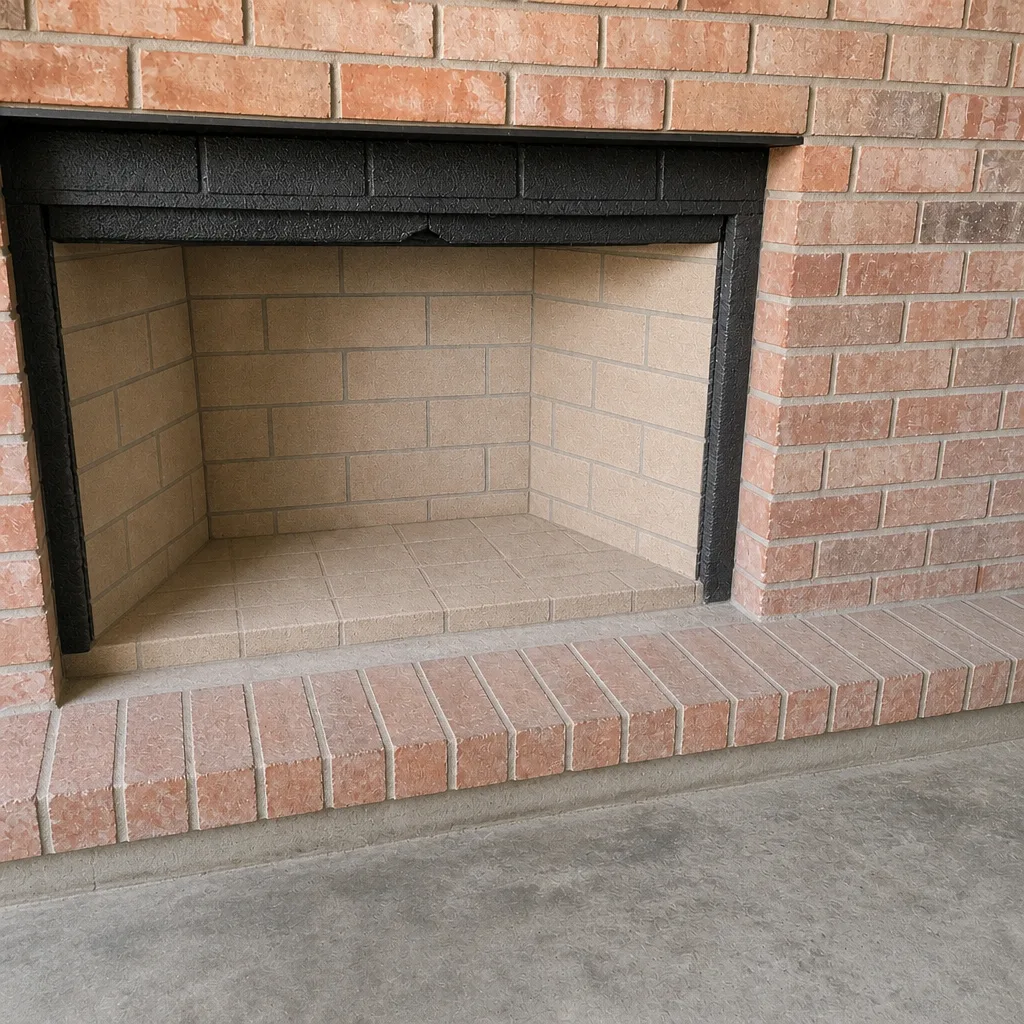
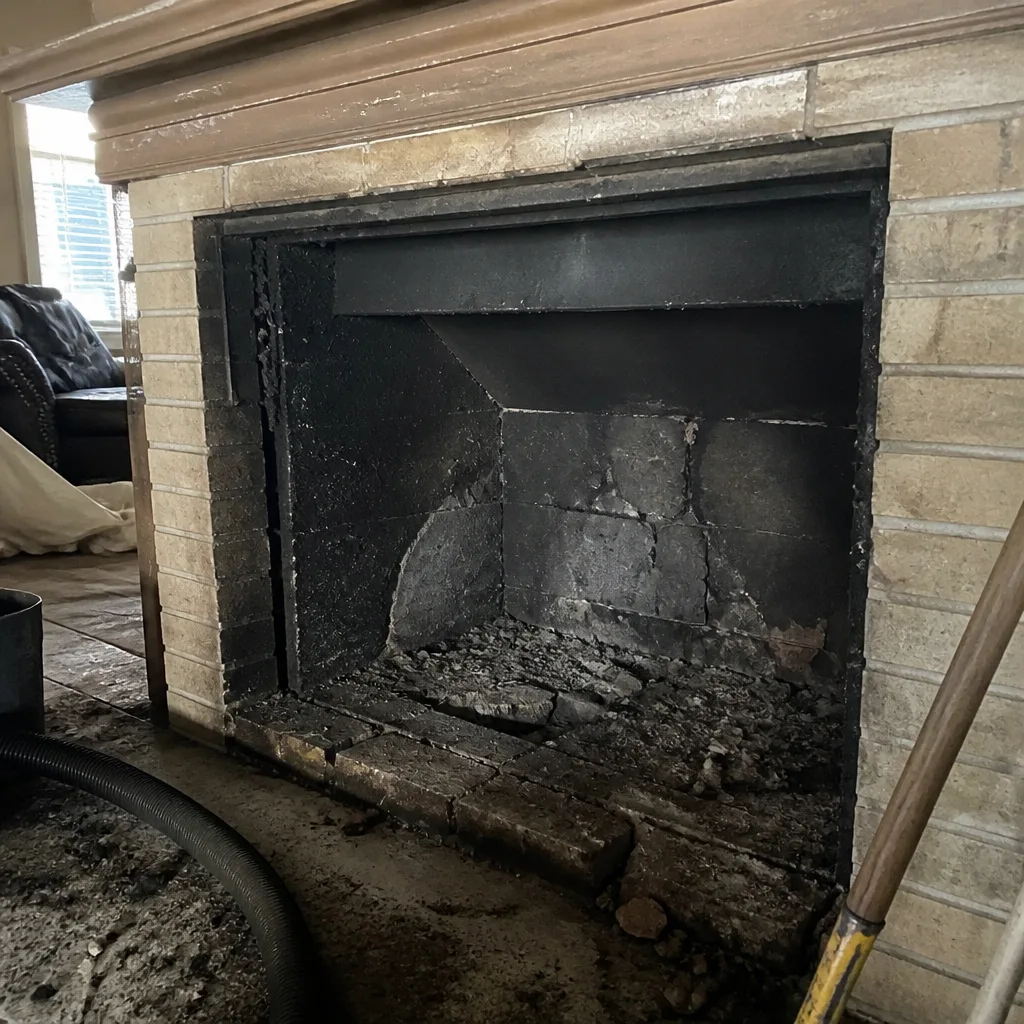
See the difference
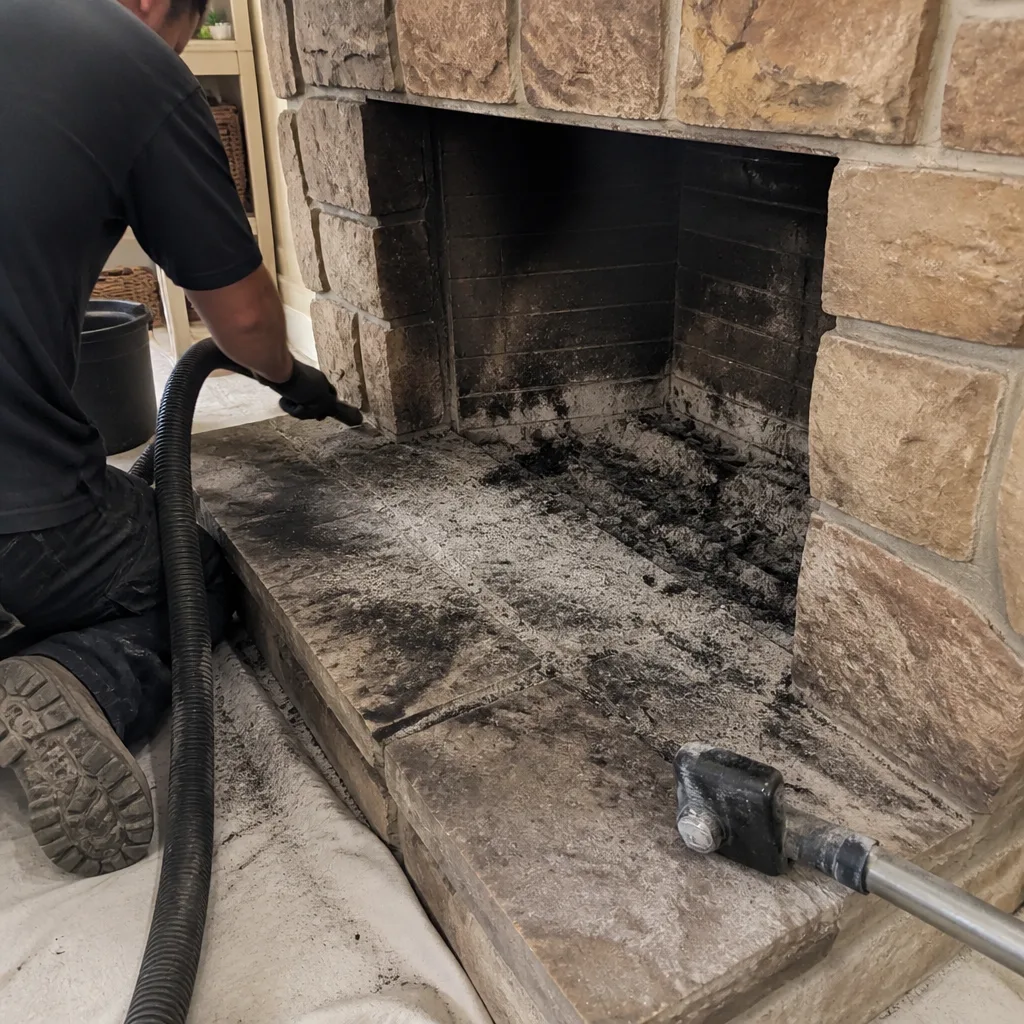 Before
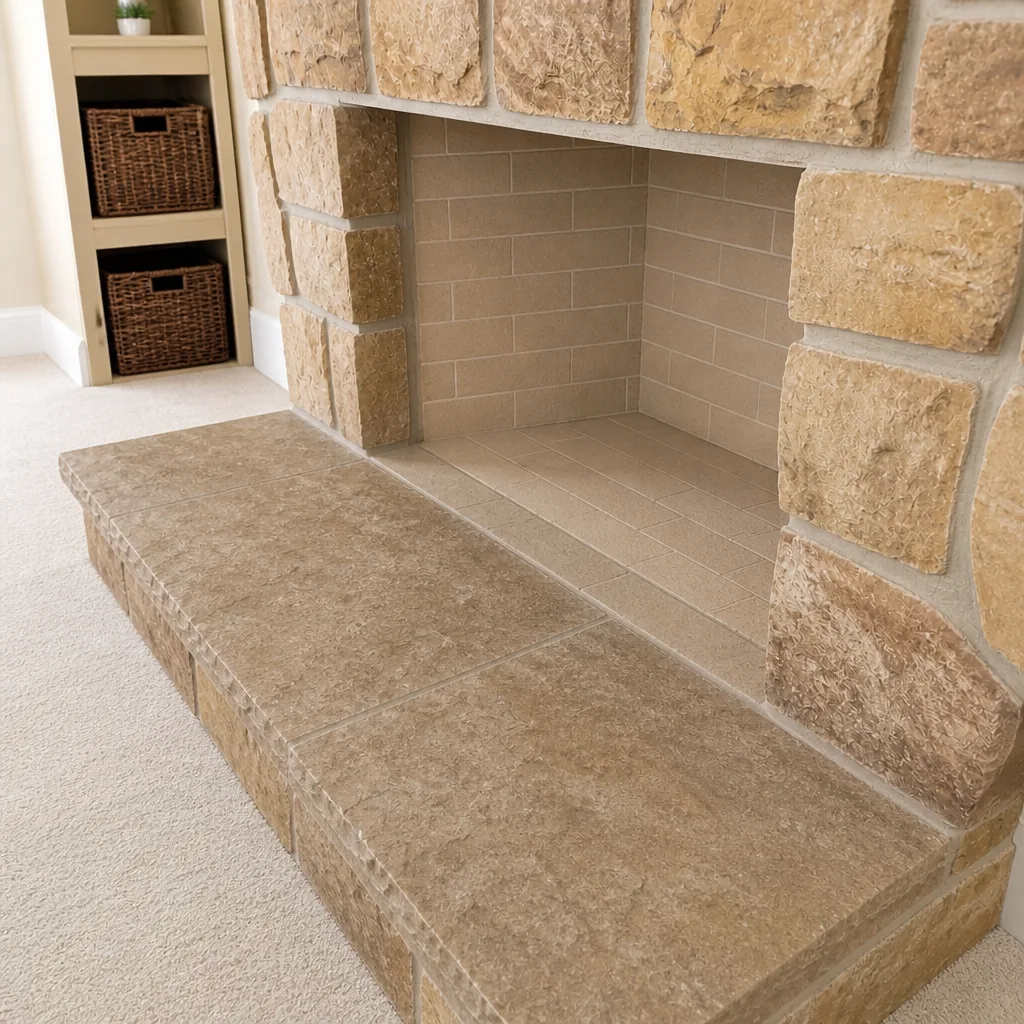 After
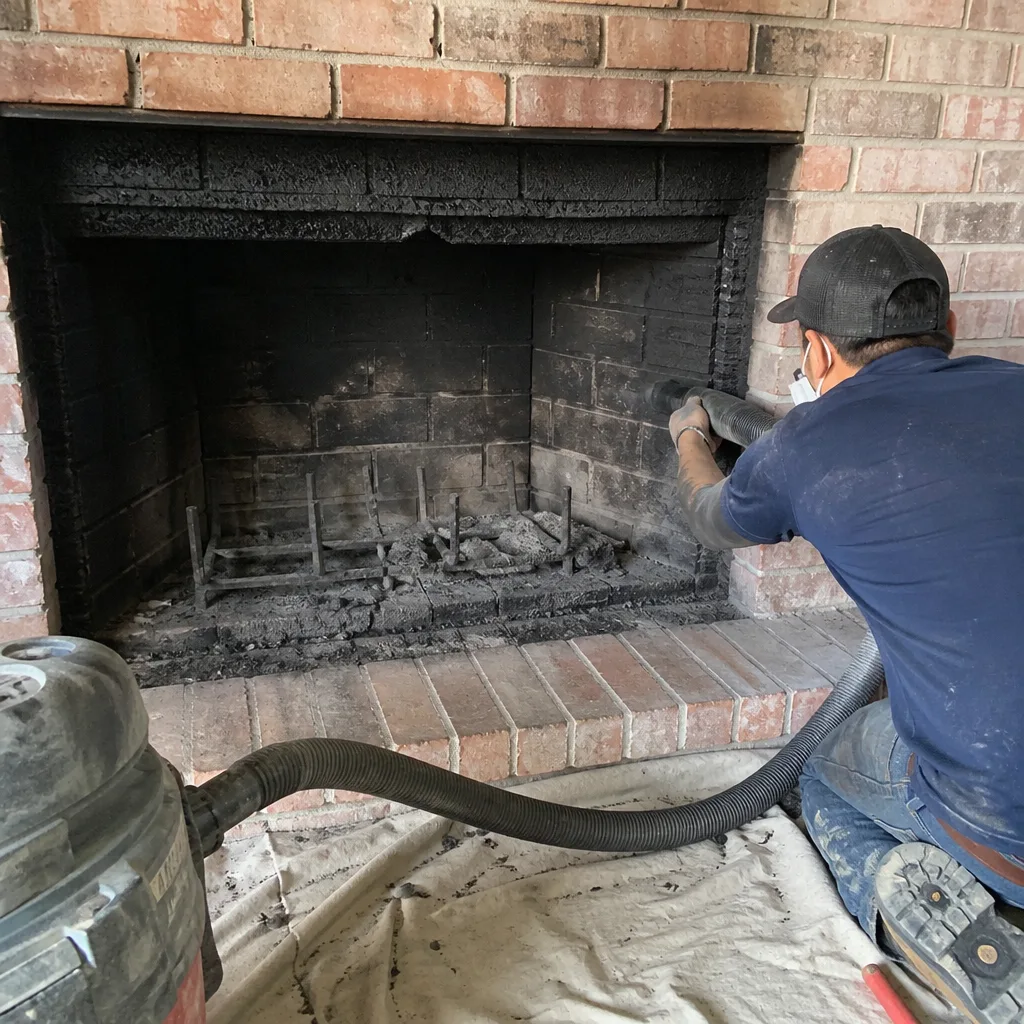 Before
 After
 Before
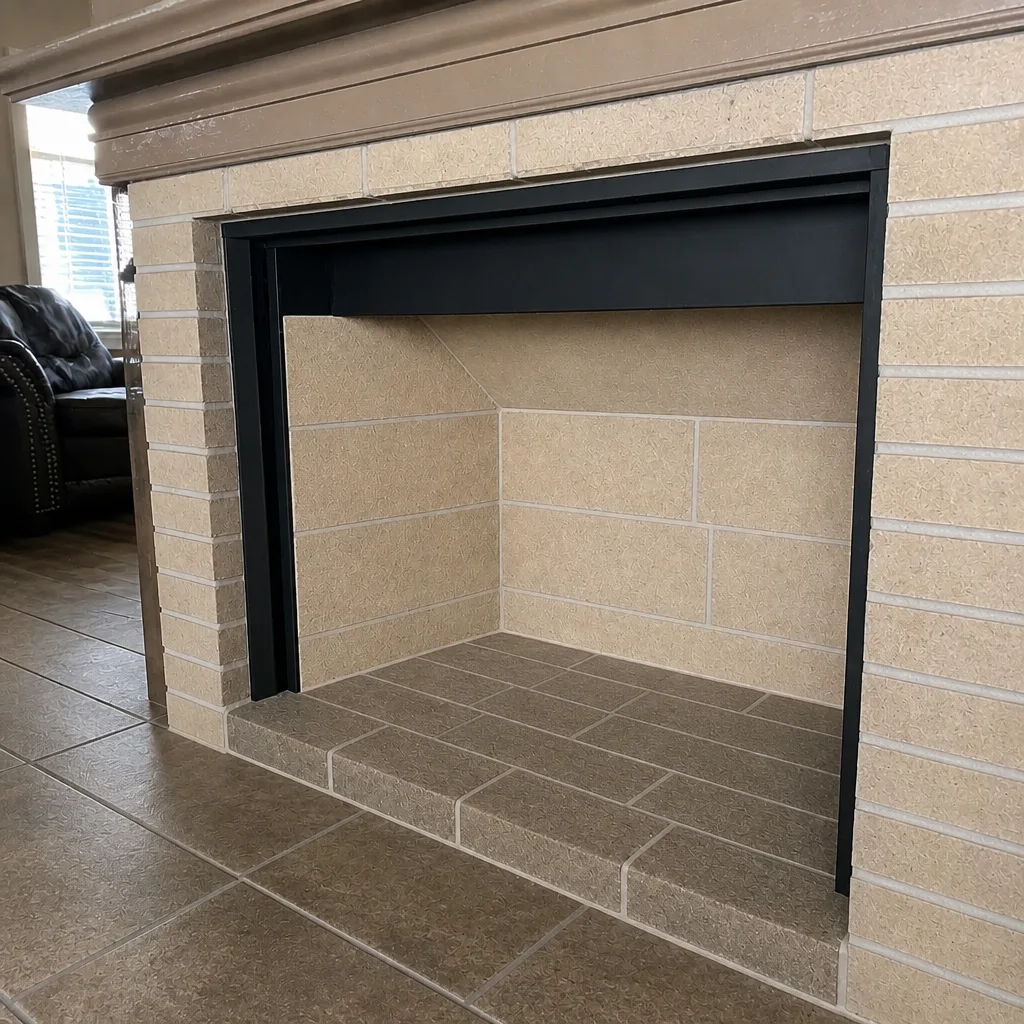 After
When to Call a Professional
Call a professional if you smell smoke in the house when the fireplace isn’t in use, if you notice soot buildup around the firebox, if the fire burns poorly or drafts inconsistently, or if it’s simply been a few seasons since the last sweep. The mild climate in Pearland is not a reason to go longer between cleanings; slower creosote accumulation is still accumulation. If you’re buying or selling a home in Pearland, a documented inspection before closing is worth the call. And if you’ve never had the chimney inspected since moving into the home, schedule one before the next burning season. A chimney can look fine and still have a problem you can’t see from the living room. Pearland Chimney Cleaning offers free estimates in Pearland; call (866) 361-9474. We answer 24/7, with fast dispatch from 7am to 7pm, Sunday through Friday.
Frequently Asked Questions
Most chimney sweeps in the Pearland area run on a per-job estimate, and the written estimate sets the final price. The exact figure depends on the flue configuration, how much creosote has built up, and whether an inspection is included. Call (866) 361-9474 for an exact quote; estimates are free.
Yes, because a functioning chimney can conceal a developing issue. Creosote buildup, liner cracks, and crown damage don’t always announce themselves through draft problems or visible symptoms. An inspection with camera documentation is the only way to know the real condition of the flue. Call (866) 361-9474 to book one.
For a wood-burning fireplace that sees regular use, an annual sweep and inspection is a reasonable baseline. The mild climate means buildup is slower than in colder regions, but it doesn’t stop. If you burn frequently or use unseasoned wood, you may want more frequent checks. Call (866) 361-9474 to schedule.
Creosote continues to accumulate, and in sufficient quantities it can ignite. A chimney fire can damage the flue liner and, in serious cases, compromise the structure of the chimney. Carbon monoxide is a separate concern: a blocked or damaged flue can allow combustion gases to enter the home instead of venting outside. Call (866) 361-9474 to book a sweep and inspection.
You can, but you’ll need to coordinate two contractors and hope the second one agrees with the first. Full-service specialists handle the sweep, the inspection, and the repair under one roof, so there’s no handoff and no finger-pointing if something goes wrong. Call (866) 361-9474 to ask about our full scope.
Ask whether they do inspection, cleaning, and repair in-house; what written deliverables you’ll get after the visit; and whether they’re insured and bonded. Then verify the insurance independently. Those questions separate full-service specialists from sweep-only crews. Call (866) 361-9474 to ask us directly.
The Bottom Line
Hiring a chimney contractor in Pearland is not primarily a credential check. Certifications matter, but the real question is whether the contractor will document what they find and stand behind what they recommend. Ask about written deliverables, camera evidence, and liability coverage before booking. Compare quotes by normalizing the line items. Watch the estimate phase for red flags, because that’s where problems surface. The best hiring decision you can make is to choose a full-service specialist who diagnoses with evidence, shows you the evidence, and fixes what they find without handing you off to a second company. Our technicians have up to 15 years of experience, we work with professional-grade brands like Copperfield and DuraFlex, and one call covers sweep, inspection, and repair. We connect homeowners across Pearland with independent local professionals who work this way. For more about how we approach chimney care, see Pearland Chimney Cleaning.
Ready to book? Call (866) 361-9474 for a free estimate. We answer 24/7. Fast dispatch from 7am to 7pm, Sunday through Friday.
Written by the team at Pearland Chimney Cleaning.