
Last updated November 15, 2026
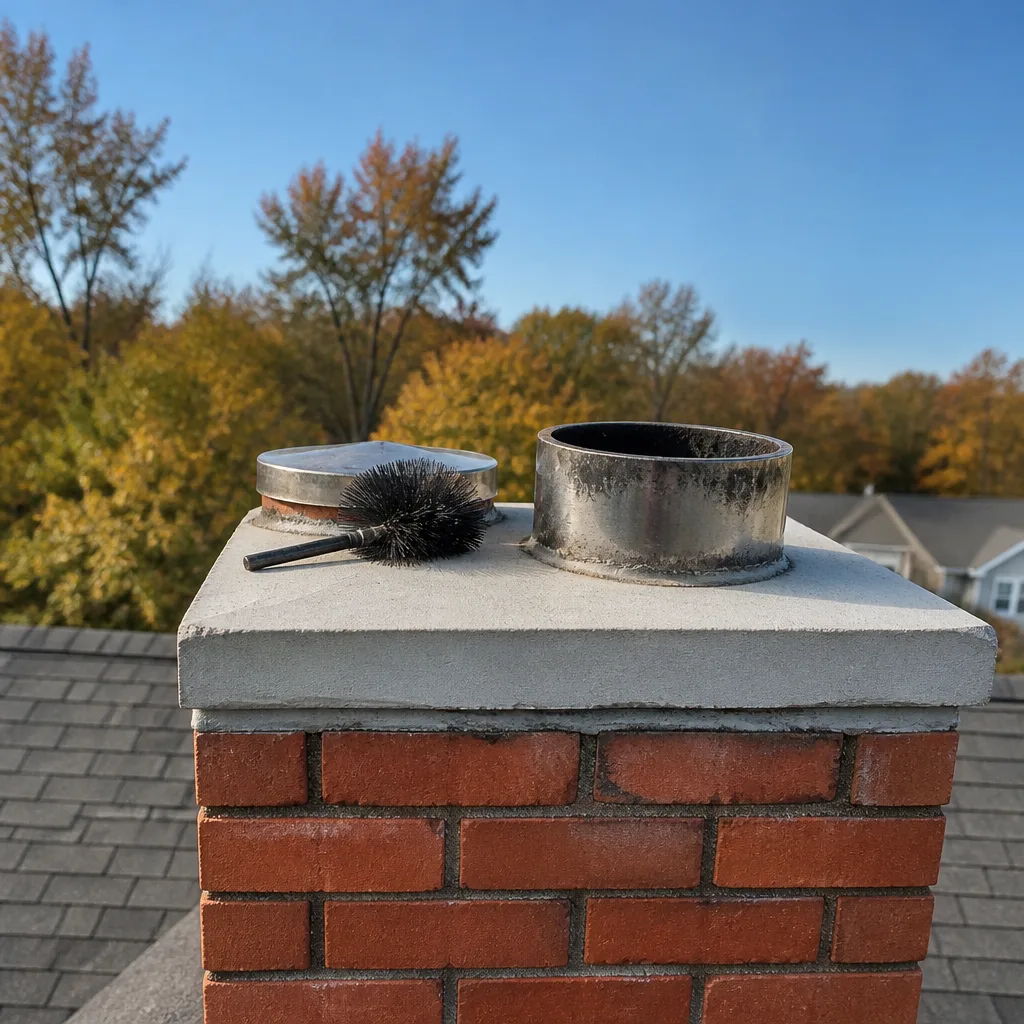 Sweep & inspection
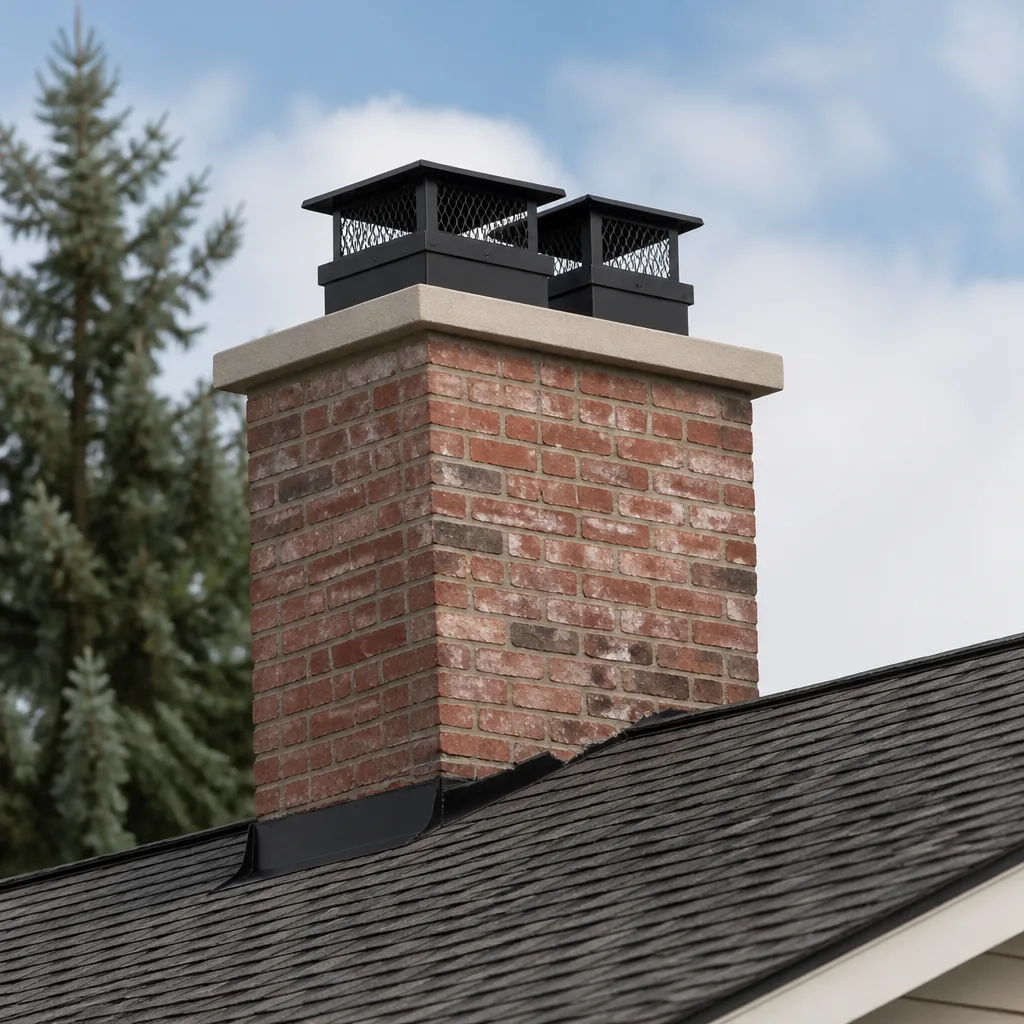 Caps & crowns
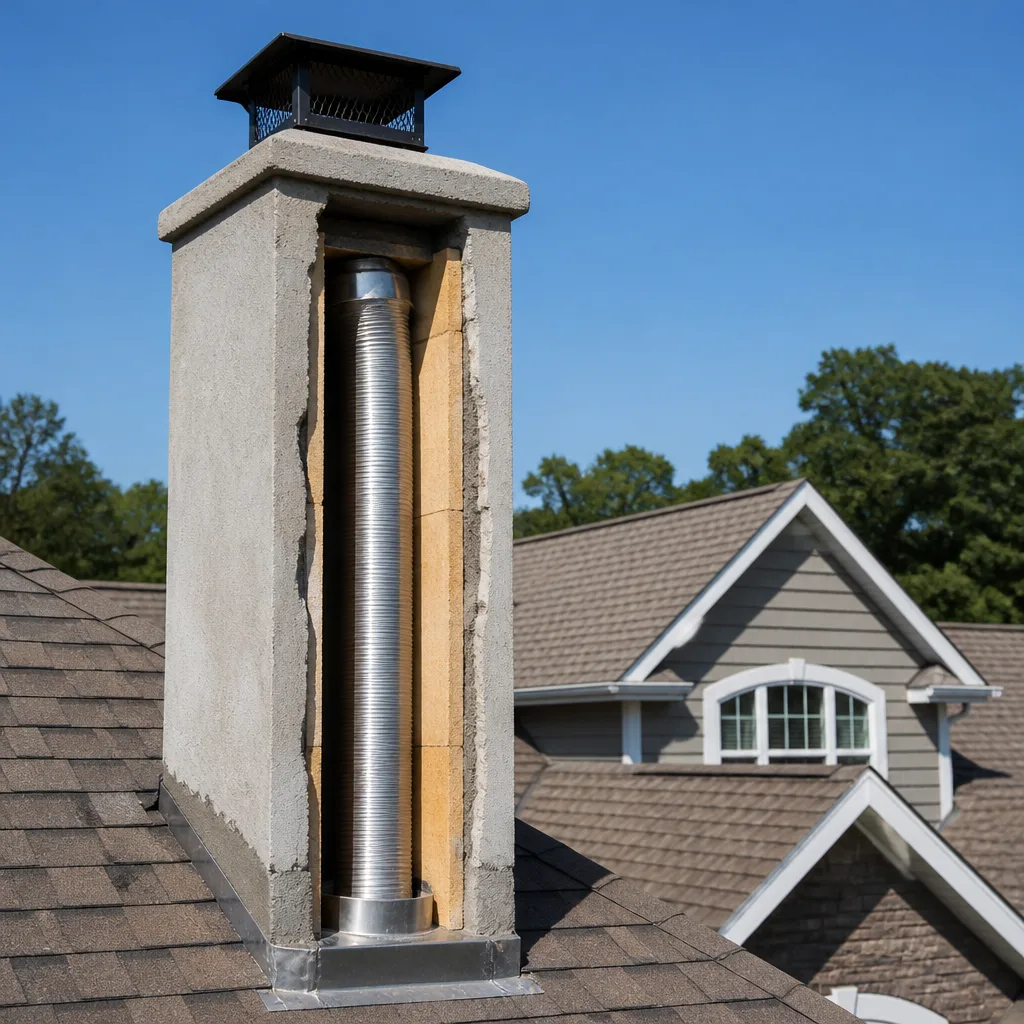 Flue relining
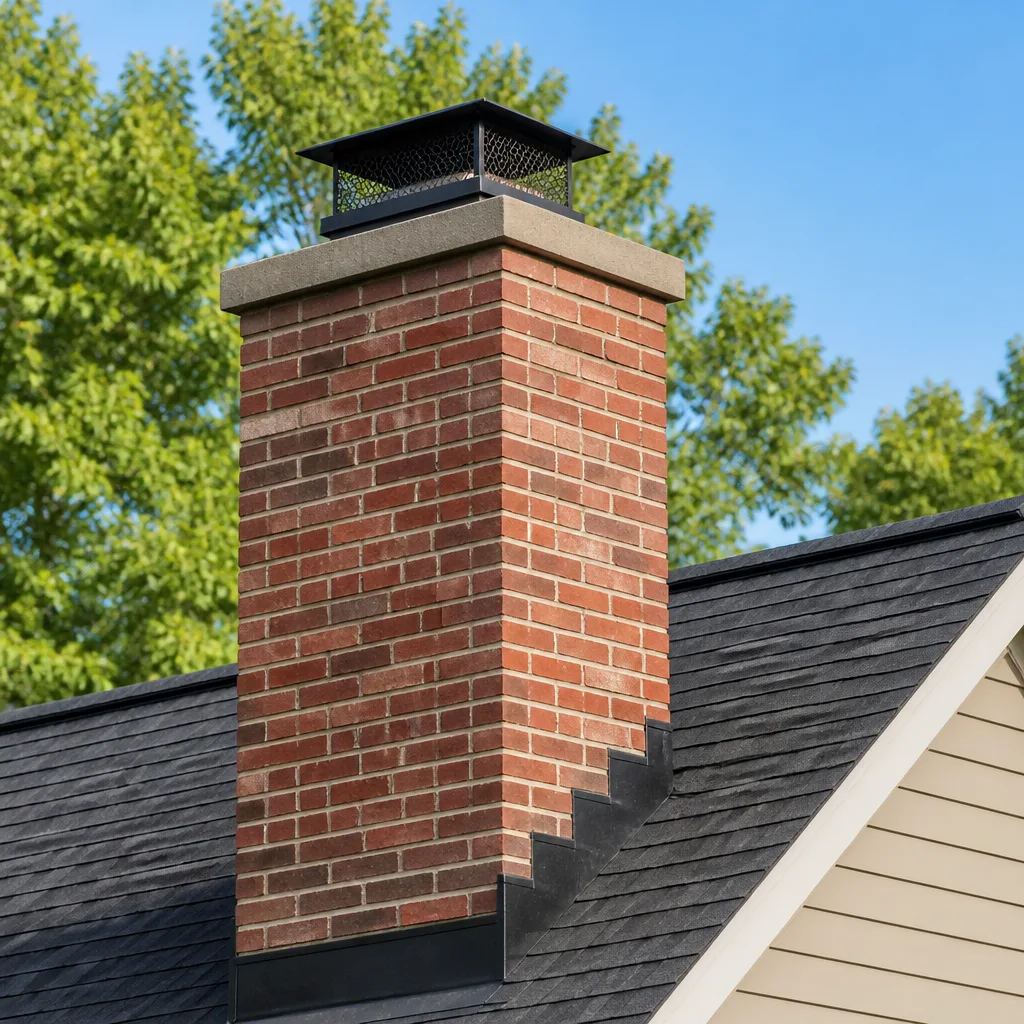 Masonry repair
 Gas fireplace service
Level 1 sweep and inspection to the NFPA 211 annual standard - flue, crown, cap, and flashing checked and photographed
Chimney sweep logs do not sweep chimneys. They loosen some creosote - which then falls where a brush and vacuum still have to collect it.
DIY vs Professional Chimney Cleaning: The Pearland Homeowner’s Decision Guide
You can buy a chimney brush kit at any hardware store and clean visible soot from the firebox. That part is true, and we won’t pretend otherwise. But the third-stage glazed creosote that causes chimney fires sits in the upper flue, where a consumer brush doesn’t reach and a consumer eye can’t see. The DIY debate in Pearland isn’t really about whether you’re capable. It’s about access: most homeowners physically can’t reach the components that actually create fire risk without professional equipment. This guide lays out exactly what you can safely handle, what you can’t, and how to build a hybrid routine that keeps your chimney safe and your wallet intact.
Quick Answer
Professional chimney cleaning is the right choice for most Pearland homeowners because a proper sweep requires roof-level access, rotary equipment that reaches the upper flue, and a camera inspection that reveals liner damage the naked eye can’t detect. A capable homeowner can safely handle firebox cleanout, damper checks, and cap inspection between professional visits. The two approaches aren’t opposites; they work best together.
Styles & brands we work with
- Sweep & inspection
- Caps & crowns
- Flue relining
- Masonry repair
- Gas fireplace service
Table of Contents
- Why Access, Not Capability, Is the Real Divide
- What a Homeowner Can Safely Do Between Visits
- What Consumer Brush Kits Structurally Cannot Do
- Why Camera Inspection Beats Visual Inspection Every Time
- The Texas Liability Question Nobody Talks About
- How to Build a Smart Hybrid Routine
- What Professional Chimney Service Actually Involves
- Common Mistakes to Avoid
Why Access, Not Capability, Is the Real Divide
The DIY chimney cleaning conversation usually starts in the wrong place. People ask “can I do this myself?” when the better question is “can I physically reach the parts that matter?” In Pearland, the answer to the second question is usually no, and it has nothing to do with skill or willingness.
A wood-burning fireplace in a typical Pearland home sits under a flue that runs twenty to thirty feet before it exits the roofline. The firebox you see from the living room floor is only the bottom of that column. The creosote that causes chimney fires builds in stages: first a thin soot layer, then a crusty brown deposit, then the hard, shiny third-stage glazed creosote that bonds to the flue tile and won’t come off with a consumer brush at all. Third-stage deposits form in the upper flue, well above what you can see from the hearth, and they need rotary equipment and chemical treatment to break down.
Access limits come in three layers:
- Physical reach. A consumer brush on sectional rods can cover a straight flue from the top, but only if you’re comfortable working on the roof, and only if the flue has no offsets, elbows, or bends.
- Sightline. From the firebox, you can see maybe three or four feet of flue. The rest is dark, and damage above the smoke shelf is invisible from the hearth.
- Tools. Rotary cleaning systems, camera reels, and liner inspection lights are professional-grade equipment that consumer kits don’t replicate.
Most Pearland homes also have a chimney cap, crown, and flashing at the roofline. Getting up there safely on a pitched roof, on a humid Gulf Coast day, is a job with its own risk profile. We’ve seen more injuries from DIY roof work than from chimney fires, and that’s a real part of the decision. If you’re in Pearland, your home was likely built in a neighborhood where the roofline pitch and chimney height were designed to code, not for easy homeowner access.
What a Homeowner Can Safely Do Between Visits
We’re not going to tell you that everything requires a professional. Some chimney maintenance is genuinely homeowner territory, and doing it well between professional visits keeps your system in better shape and lowers the cost of each professional sweep.
Here’s what a reasonably handy Pearland homeowner can do safely:
- Ash cleanout and firebox sweeping. Once the firebox is cool, scoop out ash and sweep the firebox floor with a stiff brush. Empty into a metal container with a lid and let it sit for a few days before disposing of it outdoors, away from anything combustible. Ash carries heat longer than most people expect.
- Damper operation check. Open and close the damper fully. It should move freely and seat flush. If it sticks, binds, or won’t close all the way, flag it for the next professional inspection rather than forcing it.
- Visual cap inspection from the ground. With binoculars, look at the cap and crown from a safe spot in the yard. A missing or damaged cap lets water and animals in, and a cracked crown lets water into the chimney structure. You can’t fix these from the ground, but you can catch them early.
- Firebox crack inspection. Shine a flashlight on the firebox brick and mortar joints. Hairline cracks in the mortar are common; cracks through the brick itself are not, and they need professional attention.
- Creosote observation. Look up into the flue with a flashlight after each burning season. If you see more than 1/8 inch of soot or any shiny, hardened deposit, it’s time to book a sweep.
What this list has in common: it’s all work at the firebox level with the fire out, no roof access, no ladders, and no reaching into the flue. That’s the boundary. Once the task moves above the damper, it’s professional territory, and we’d rather you know the line than guess where it is.
What Consumer Brush Kits Structurally Cannot Do
A consumer chimney brush kit is a wire or poly brush on sectional fiberglass or polypropylene rods. It works by friction and mechanical scrubbing. For light soot and first-stage creosote in a straight flue, it does a reasonable job. For anything more, the kit runs into structural limits that have nothing to do with the operator’s skill.
Here’s what professional rotary cleaning systems do that consumer kits can’t:
- Rotary whip heads spin at speed. A rotary head uses centrifugal force to clean all sides of the flue tile at once, including the corners, where brushes leave deposits. It can be paired with different head types for different creosote stages.
- Chemical pretreatment releases glazed creosote. Third-stage glazed creosote is essentially a varnish bonded to the flue tile. Professional-grade chemical treatments soften it so rotary action can remove it. A dry consumer brush will just skate over it.
- Offsets and bends. Many Pearland chimneys have a bend above the smoke chamber. Rotary systems use flexible rods designed to follow the flue; consumer sectionals tend to jam or stop at the bend.
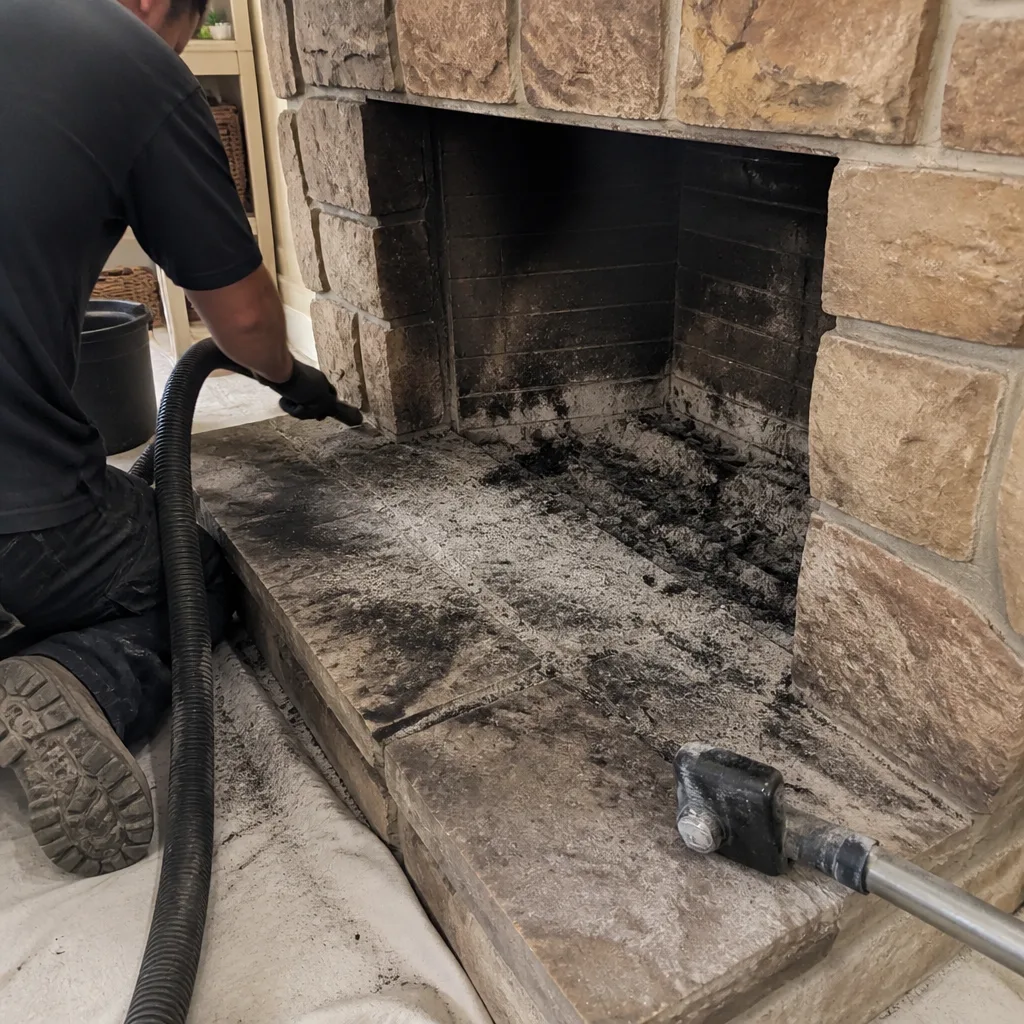
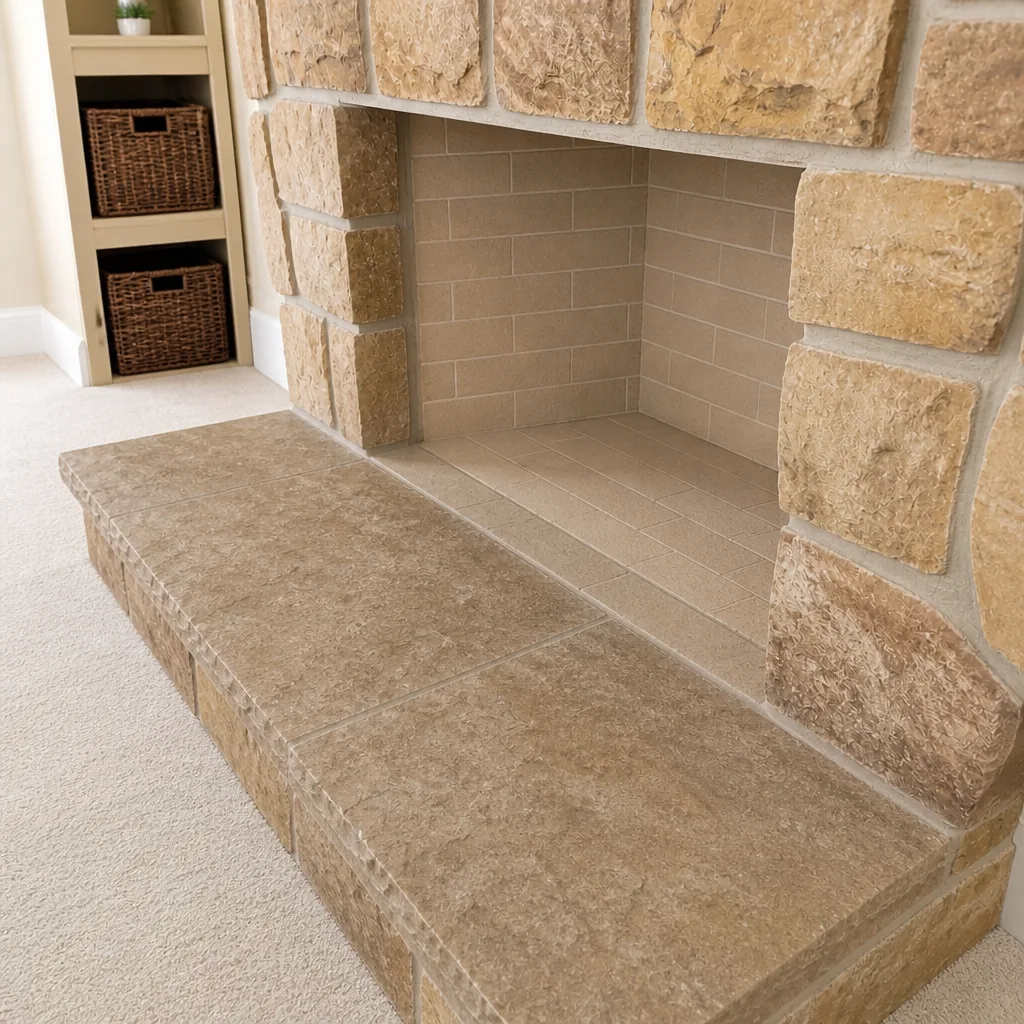
- Containment and dust control. Professional sweeps use HEPA vacuums and drop cloths to keep soot out of the living space. Consumer kits usually make a mess of the room, and that mess is fine soot that settles into carpet and upholstery.
- Verification. After a professional sweep, a camera inspection confirms the flue is actually clean, not just the part you could see.
The point isn’t that consumer brushes are useless; they’re not. The point is that they were never designed to address the third-stage deposits that matter most for fire safety. That’s not a marketing claim. It’s a structural limitation of the tool.
If your flue has hardened glazed creosote, the question shifts from cleaning to chimney repair, because heavy glazed deposits often mean the liner itself is compromised. That’s a diagnosis a camera inspection settles.
Why Camera Inspection Beats Visual Inspection Every Time
A visual inspection from the firebox or the roof can only tell you what’s visible. In our experience across Pearland homes, that’s about 15 to 20 percent of the flue’s interior surface. The rest is dark, and the damage that matters, cracked flue tiles, gaps in the liner, missing mortar joints, and offset misalignments, hides in the parts you can’t see.
Camera inspection uses a waterproof, lighted camera on a flexible reel that’s fed down the flue from the top. The technician watches on a monitor and records the run. You can watch it with them, and that matters: the inspection shows what’s actually in your flue, not what someone thinks is in it. The findings get documented with photos you keep.
What camera inspection actually reveals in a Pearland chimney:
- Cracked or spalled flue tiles, which let heat and carbon monoxide reach the chimney structure
- Missing or deteriorated mortar joints between tiles
- Gaps at the smoke chamber and damper assembly
- Third-stage creosote in the upper flue
- Liner separation or misalignment, which often happens in older masonry chimneys
- Debris, animal nests, or disconnected flue sections
Here’s where the inspection-first approach earns its keep. A camera inspection is part of a standard professional chimney service call, and it’s what drives every repair recommendation we make. If a technician tells you your liner is failing, the camera footage is the evidence. You should be able to see it, and if you can’t see it, you should ask why.
Some Pearland homes have a metal liner that’s been in place for a while. Camera inspection is also how we verify a liner’s condition before recommending chimney sweep service that would otherwise be wasted effort on a failing system.
The Texas Liability Question Nobody Talks About
Self-performed chimney work has implications beyond the safety of the fire itself, and homeowners in Pearland should understand them before pulling on gloves.
Most homeowner insurance policies have clauses about negligence during maintenance and repairs. If a chimney fire occurs and the insurer’s investigation finds the homeowner did the cleaning or repair work themselves, the claim can be contested, reduced, or denied. Then there’s the documentation trail: a professional service generates a written report, photos, and an inspection record. That paper trail supports a claim or a real estate disclosure. DIY work generates nothing.
Real estate transactions are where this usually surfaces. Buyers in Pearland request a chimney inspection, and a report showing the chimney was professionally maintained and inspected carries weight in negotiation. A seller saying “I cleaned it myself last spring” carries none. The chimney inspection report is a document, and documents matter in transactions.
There’s also the structural risk. A chimney fire that starts from built-up creosote can crack flue tiles, warp a metal liner, and compromise the chimney structure. Those failures aren’t always visible from the outside. If the chimney needs a liner after a fire, the repair is significant, and self-performed cleaning is often named in the post-fire investigation as a contributing cause.
We work with professional-grade components from established supply brands like HeatShield and DuraFlex for liner restoration and relining, and those components are backed by manufacturers who expect the work to be documented. That documentation is the difference between a repair that holds up and one that’s a liability question later.
How to Build a Smart Hybrid Routine
The smart approach to chimney care in Pearland isn’t DIY or professional. It’s both, with a clear boundary between them. Here’s a routine structure that works for most homeowners who burn wood regularly.
Annual baseline, once a year, before burning season:
- Book a professional sweep and inspection. In Pearland, the burning season runs roughly from late fall through early spring, so the sweep is best booked in early fall. A professional service cleans the flue, inspects with a camera, and provides a written report.
- Review the report together. Anything recommended for repair should come with camera evidence. If it doesn’t, ask.
- Schedule any needed repairs before the season starts. Repairs identified in the fall can be completed before cold weather, when the chimney needs to perform.
Between-visit homeowner tasks, monthly during burning season:
- Check the firebox and visible flue for new creosote buildup
- Verify the damper opens and closes fully
- Inspect the cap and crown from the ground with binoculars
- Keep the fire burning hot and efficient; smoky, smoldering fires build creosote faster
- Clean ash regularly and store it in a lidded metal container outside
What stays professional, always:
- Any roof-level work: cap, crown, flashing, flue top
- Any work above the damper
- Any repair to the liner, firebox, or chimney structure
- Any inspection that needs to be documented
- Any diagnosis of creosote stage or liner condition
The boundary is the firebox floor. Below it, you can operate. Above it, the professional-grade equipment and training take over. That boundary also protects your insurance claim and your real estate disclosure, both of which need the professional part on record.
What Professional Chimney Service Actually Involves
A professional chimney service call in Pearland usually combines three things: a thorough sweep, a camera inspection, and a written report. Cost depends on the chimney’s condition, the number of flues, accessibility, and any needed repairs, so it’s set by a written estimate after the technician sees the system. The estimate is free, and it’s per job.
What you can expect from a professional visit:
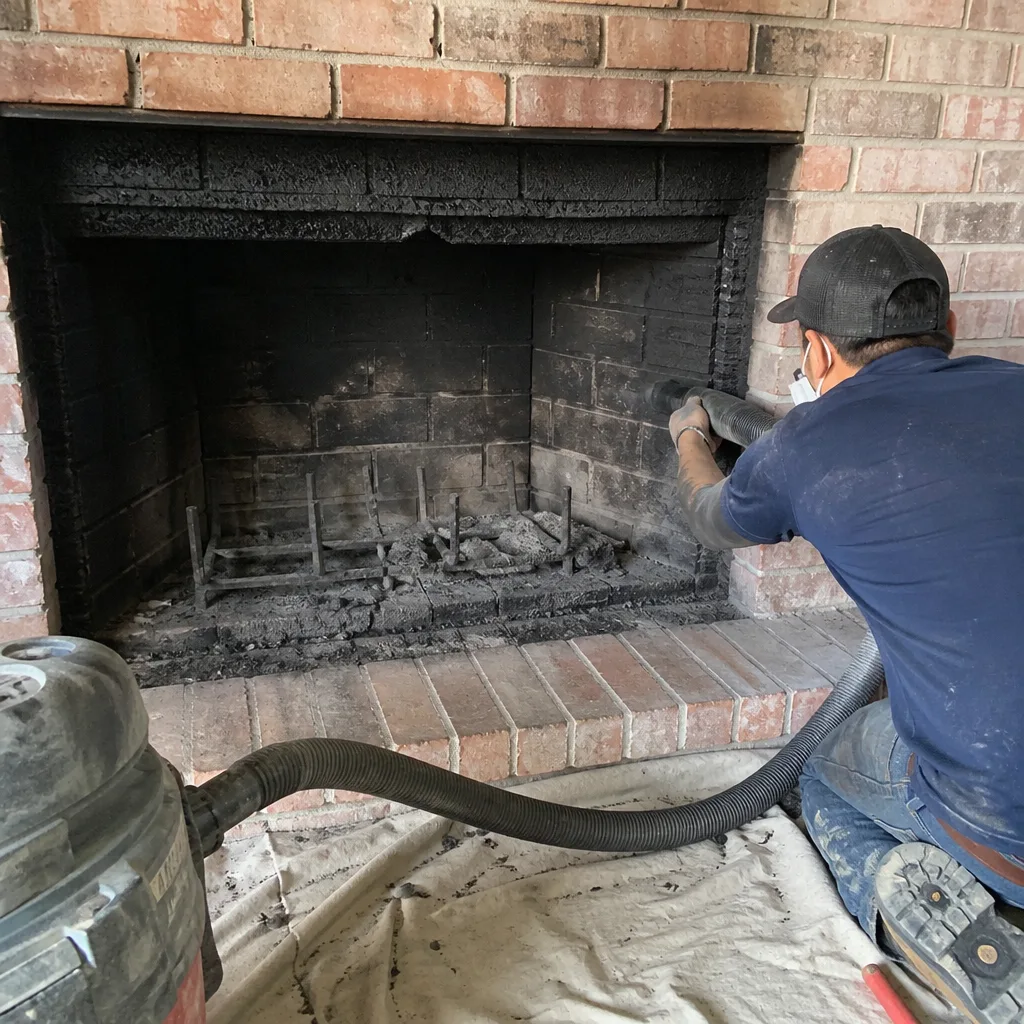
- Setup and containment. Drop cloths, a HEPA vacuum, and sealed access points keep soot out of your home.
- Sweep. Rotary and brush cleaning of the flue from the top, with chemical treatment for glazed creosote if needed.
- Firebox and smoke chamber cleaning. The base of the system gets cleaned, not just the flue.
- Camera inspection. The full flue is examined on camera, and the findings are documented with photos.
- Report and recommendations. Anything that needs repair is identified with evidence.
Where a sweep-only operation stops, professional repair continues. HeatShield and DuraFlex products let us restore a compromised liner rather than always replacing it, which is often a less invasive and more cost-effective option. Not every liner needs to be replaced; some can be restored. A camera inspection settles the question with evidence instead of a guess.
For a broader look at how we handle the full picture, from the firebox to the crown, see our Pearland Chimney Cleaning overview. The single-source structure means the same company cleans, inspects, and repairs, so there’s no gap between diagnosis and correction.
Common Mistakes to Avoid
- Assuming a clean-looking firebox means a clean flue. The firebox is the part you see. Third-stage creosote lives in the upper flue, which is the part that causes fires. A clean firebox tells you nothing about the flue above it.
- Skipping the camera inspection to save time. Visual inspection only sees a fraction of the flue interior. In Pearland homes with older masonry chimneys, the damage that matters is usually above the smoke shelf where you can’t see it.
- Burning unseasoned wood. Wet wood burns cool and smoky, and cool, smoky fires build creosote faster than hot ones. Seasoned wood, split and dried, is cheaper than a liner repair in the long run.
- Using corrosive chimney cleaners without knowing the liner material. Some chemical treatments are compatible with stainless liners and not with older masonry. Ask before you pour anything into the flue.
- Waiting until the first cold snap to book a sweep. Pearland’s burn season starts in late fall, and sweeps book up fast. Scheduling in early fall avoids a backup and gives repair time to happen before you need the chimney.
- Ignoring the cap and crown. A missing cap or cracked crown lets water in, and water is the slow cause of most chimney structural damage. Check the cap and crown yearly from the ground.
- Treating a real estate inspection as a formality. Buyers and sellers both benefit from an inspection with camera documentation. The report is the difference between a negotiable disclosure and a surprise after closing.
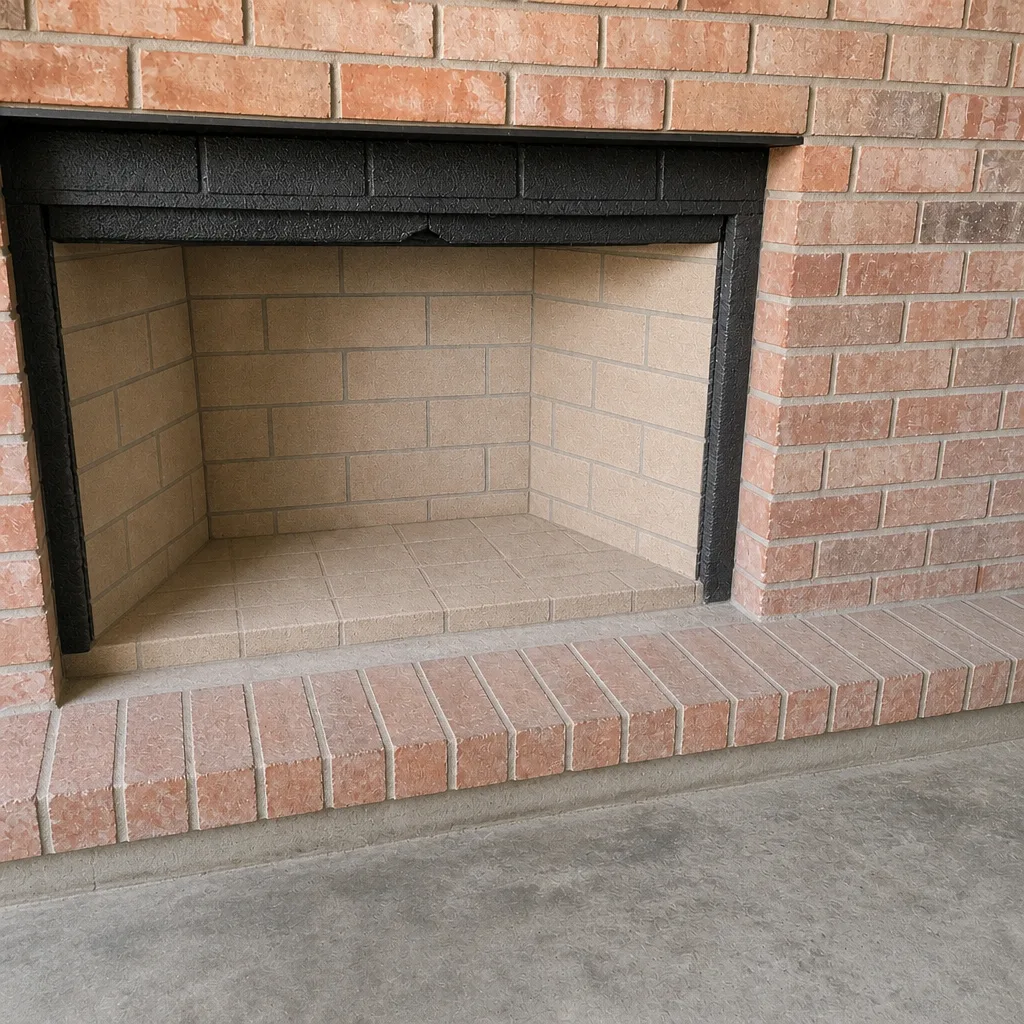
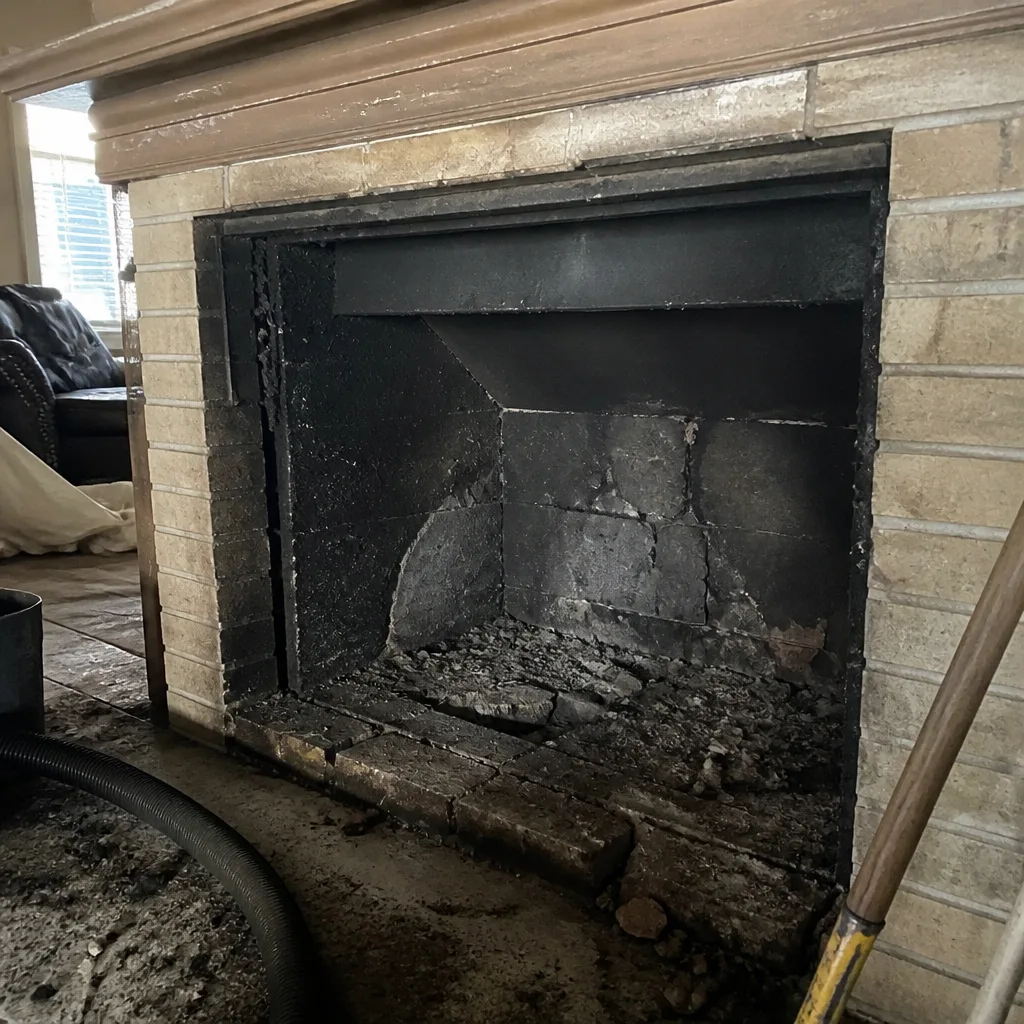
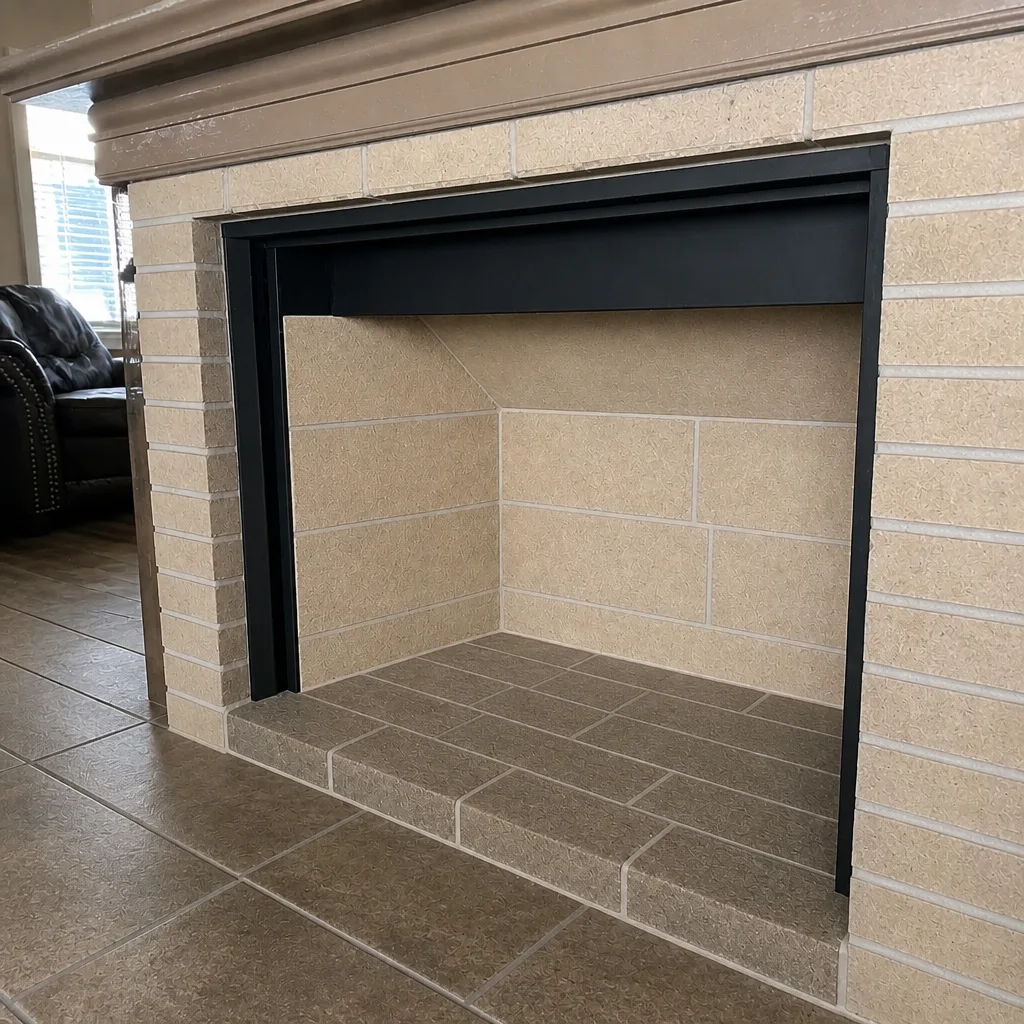
See the difference
 Before
 After
 Before
 After
 Before
 After
When to Call a Professional
Call a professional when the work goes above the damper, when you need documentation, or when anything looks wrong and you’re not sure. Specific scenarios: you see glazed or shiny creosote in the flue; your liner has been in place for years and you don’t know its condition; your damper sticks or won’t seat; your cap or crown is damaged; you’re buying or selling a home in Pearland and need a documented inspection; your fireplace smells smoky when it’s not in use; you’ve had a chimney fire, even a small one; or it’s been more than a year since the last sweep.
Pearland Chimney Cleaning offers free estimates in Pearland. Call (866) 361-9474. We answer 24/7. Fast dispatch from 7am to 7pm, Sunday through Friday. Every recommendation is backed by camera evidence you can see, and if work can safely wait, we’ll tell you that too.
Frequently Asked Questions
A chimney sweep in Pearland is priced per job by a written estimate after the technician inspects the system, so the exact cost depends on the chimney’s condition, the number of flues, and accessibility. The estimate is free. Call (866) 361-9474 for an exact quote.
Not always. A camera inspection determines whether the liner is compromised; some liners can be restored with HeatShield rather than replaced, which costs less and is less invasive. If the liner is failing, the camera footage shows why. Call (866) 361-9474 to book an inspection and see the evidence yourself.
A chimney should be swept at least once a year, and more often if you burn wood regularly or see creosote buildup. In Pearland, early fall is the best time to book, before the burn season starts. Call (866) 361-9474 to schedule before the fall rush.
Skipping a sweep lets creosote build up in stages, and third-stage glazed creosote is the fuel source for chimney fires. A blocked or damaged flue can also let carbon monoxide back into the home. Neither outcome is one you want to discover by accident. Call (866) 361-9474 to book a sweep and inspection.
You can clean the firebox and check the damper and cap yourself; those are homeowner tasks. The upper flue, the liner, and the roof-level components need professional access and equipment, or the work isn’t actually addressing the fire risk. Call (866) 361-9474 when the work goes above the damper.
A chimney inspection isn’t always required to sell a house, but a documented inspection with camera photos strengthens the disclosure and supports negotiation. Buyers and insurers often ask for it. Call (866) 361-9474 to book a documented inspection for a real estate transaction.
The Bottom Line
The DIY vs professional chimney cleaning question isn’t really a capability question. It’s an access question. You can clean your firebox, check your damper, and inspect your cap from the ground, and doing those things between professional visits keeps your chimney in better shape. The upper flue, the liner, and the roof-level components are where fire risk lives, and they need rotary equipment, a camera inspection, and a documented report to assess properly. Build the hybrid routine, respect the boundary at the firebox floor, and keep the professional part on record. That’s the decision that actually keeps a Pearland chimney safe.
If you’re ready to schedule a sweep, inspection, or repair, call Pearland Chimney Cleaning at (866) 361-9474 for a free estimate. We answer 24/7. Fast dispatch from 7am to 7pm, Sunday through Friday.
Written by the team at Pearland Chimney Cleaning.