
Last updated November 15, 2026
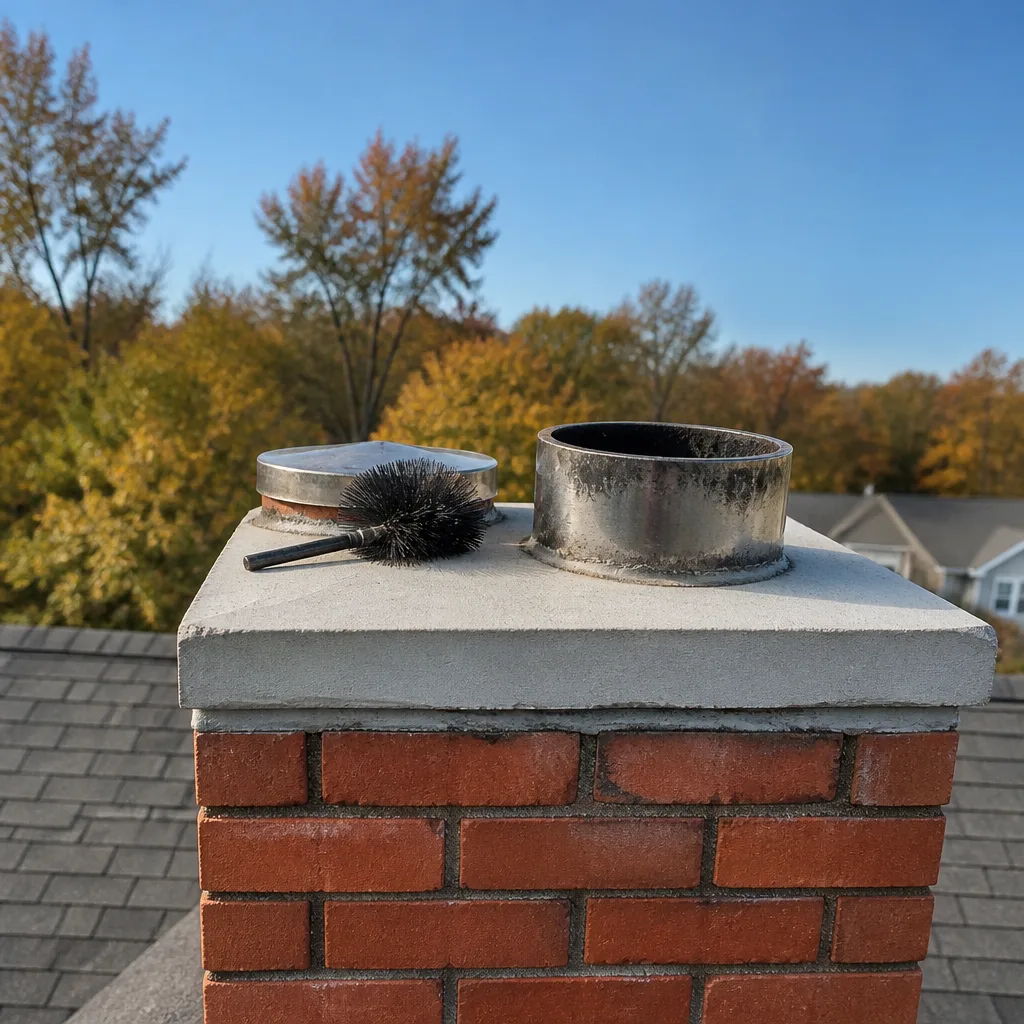 Sweep & inspection
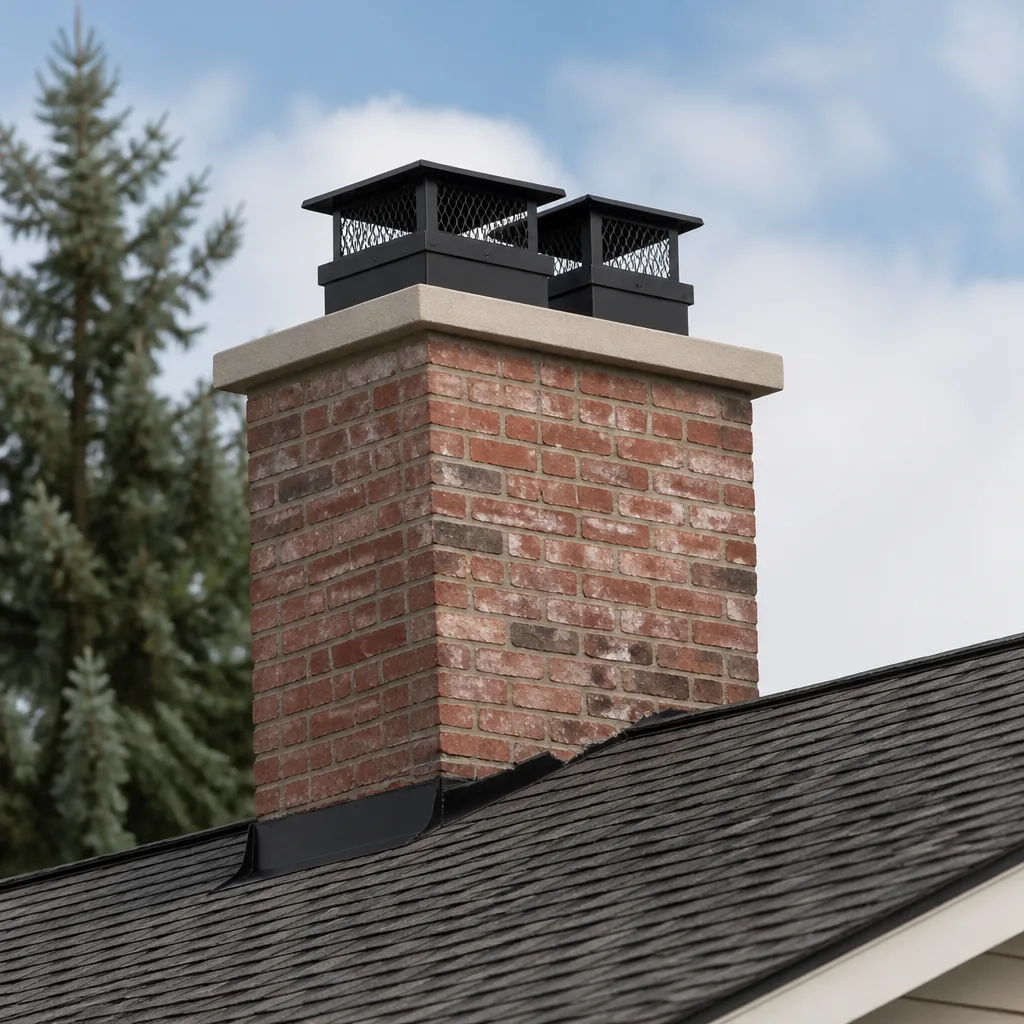 Caps & crowns
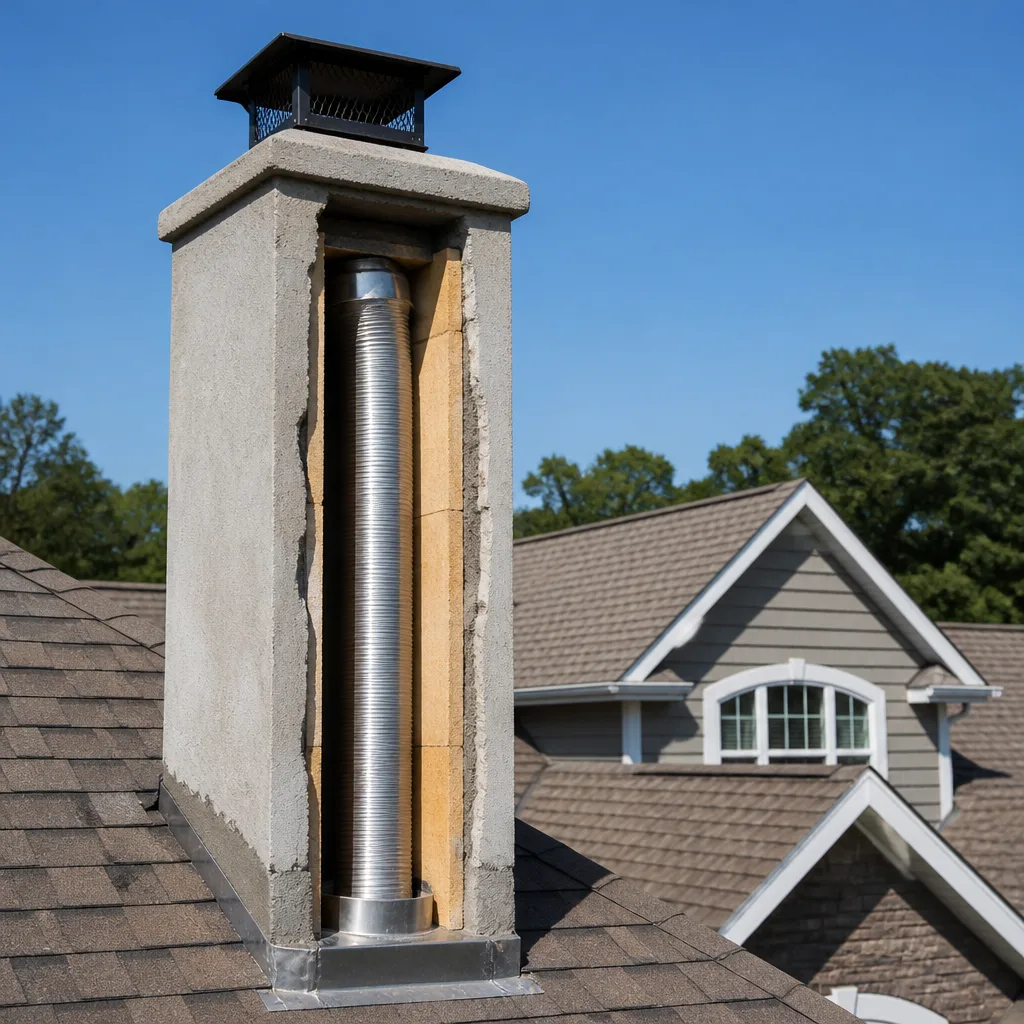 Flue relining
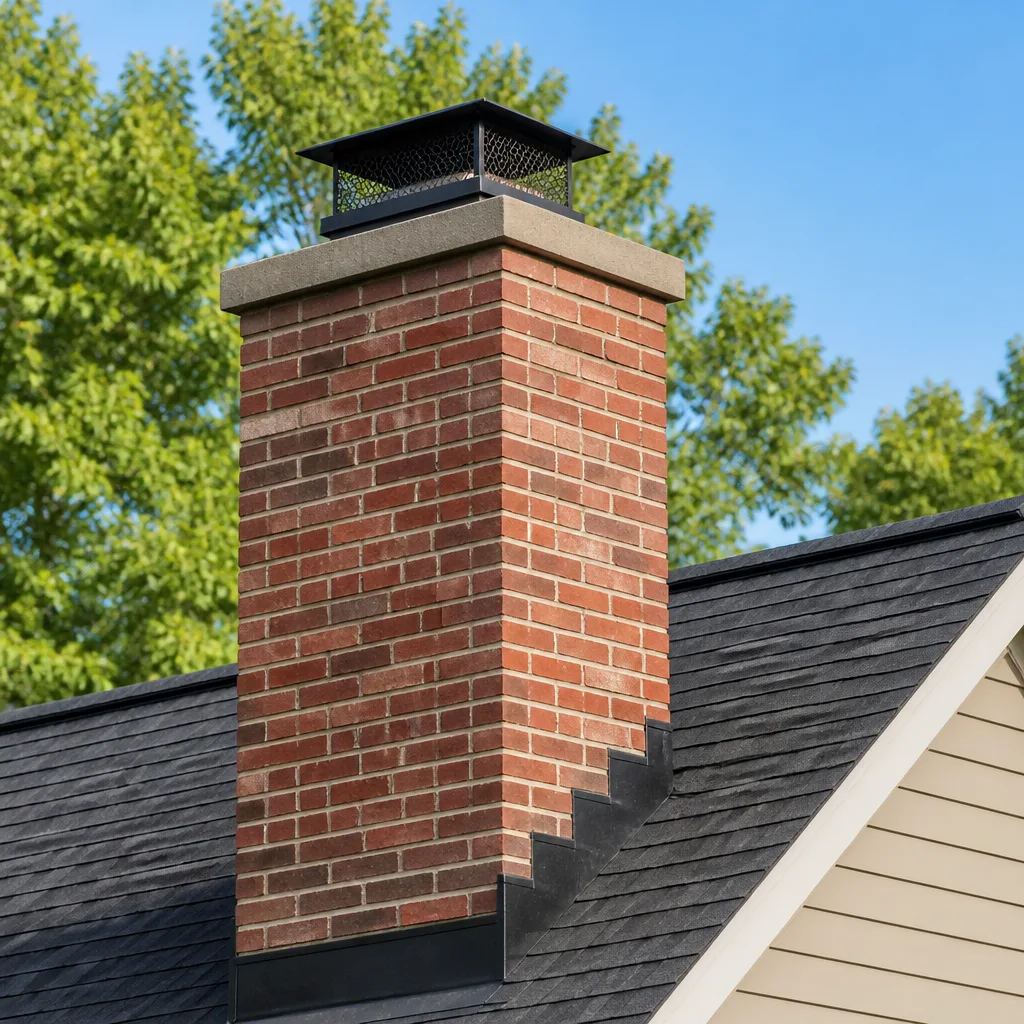 Masonry repair
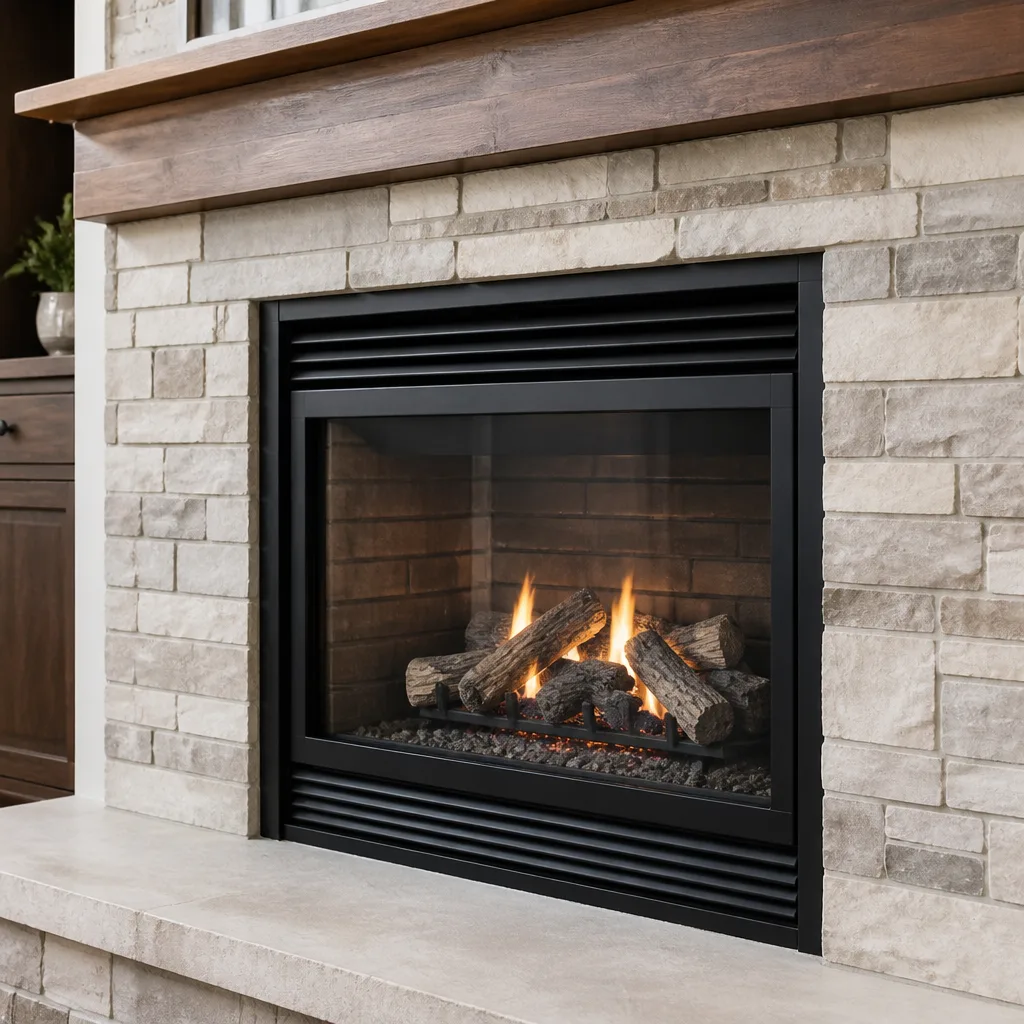 Gas fireplace service
Level 1 sweep and inspection to the NFPA 211 annual standard - flue, crown, cap, and flashing checked and photographed
Chimney sweep logs do not sweep chimneys. They loosen some creosote - which then falls where a brush and vacuum still have to collect it.
Chimney Sweep Maintenance Schedule: What to Do and When
Most chimney care advice you’ll find online was written for four-season climates where the heating season runs from October to April and everything shuts down in summer. Pearland doesn’t work that way. Our burn season is short and mild, sometimes stretching from late November into February and sometimes barely showing up at all, and our real maintenance pressure comes from the other direction: heavy spring pollen, long humid summers, and a storm season that can drop hail and horizontal wind on a chimney cap in a single afternoon. If you follow the generic “inspect it once a year” rule on a Pearland calendar, you’re likely inspecting at the wrong time of year and skipping the two events that actually matter here. This guide gives you a schedule built for this climate, month by month, plus the owner-side checks that make a professional visit worth more when it happens.
Quick Answer
In Pearland, the practical chimney maintenance schedule is: book a professional sweep and Level 1 inspection in early fall, before the first burn (usually late October or early November), do your own visual checks in late winter after the last fire, and treat every significant hail or high-wind storm as a mandatory inspection trigger rather than an optional check-in. Wood-burning owners need a sweep roughly once a year at that fall appointment; gas fireplace owners can stretch cleaning but still need an annual inspection because the venting and cap still take weather. The short version: inspect in fall before you burn, check after storms, and don’t wait for spring.
Styles & brands we work with
- Sweep & inspection
- Caps & crowns
- Flue relining
- Masonry repair
- Gas fireplace service
Table of Contents
- Why the Generic “Inspect Once a Year” Rule Fails in Pearland
- The Pearland Chimney Maintenance Calendar, Month by Month
- Post-Storm Inspections: Mandatory Maintenance, Not Optional
- Level 1 vs. Level 2 Inspection: Which One Do You Actually Need?
- Wood-Burning vs. Gas Fireplaces: Two Different Schedules
- Your Owner-Side Checklist: What to Check Between Visits
- Restocking and Sealing Before Burn Season
- Real Estate and Insurance: Timing Your Inspection Around a Transaction
Why the Generic “Inspect Once a Year” Rule Fails in Pearland
The once-a-year rule isn’t wrong, it’s just underspecified. It tells you how often, not when, and in a climate like ours the “when” carries most of the value. A chimney in a cold climate spends half the year hot and half the year cold, so the timing of an inspection barely matters. A chimney in Pearland spends most of the year idle, humid, and collecting whatever the wind brings, which means the condition of the flue and cap in October is not the same as it was in March. If you inspect in spring, you’re checking a system that’s about to sit unused for eight months. If you inspect in fall, you’re checking the system as it will actually run.
There’s a second difference. Our burn season is short enough that some homeowners light a fire a dozen times a year and some light forty. A fixed annual sweep is a reasonable default, but the real driver should be how much you burned, what you burned, and what happened to the exterior of the chimney since the last visit. Pearland’s storm season is the variable most schedules ignore.
The third piece is humidity. Long, warm, humid months are kind to a masonry chimney in some ways and hard on it in others. Creosote that sat dry all winter can soften and smear in summer heat, and metal components at the cap and in the damper area see far more moisture than they would in a drier climate. That’s why the schedule below front-loads inspection before burn season, not after.
The Pearland Chimney Maintenance Calendar, Month by Month
Here’s the calendar we walk homeowners through when they call Pearland Chimney Cleaning. It’s built around our actual seasons, not a generic template. Dates are approximate and shift with the weather, but the sequence holds year after year.
Late September – Early November: The Main Event
This is your primary service window. Book a chimney sweep and Level 1 inspection before the first fire of the season, ideally in October so you’re not competing for a slot in the first cold week. A professional sweep removes soot and creosote from the flue; the inspection documents the condition of the firebox, damper, flue, and cap. In our experience, doing these together in one visit is what catches problems early, because the same crew that cleans the flue is the one looking at it. That’s the “inspect first, then recommend” approach and it’s the reason we’d rather sweep and inspect in a single call than split them.
November – February: Burn Season Monitoring (Owner-Side)
Once you’re burning, the schedule shifts to light homeowner checks. Weekly, do a quick look at the firebox and the cap from ground level. Monthly, run the damper through its full travel and listen for scraping or stiffness. If you notice anything odd, note the date and the symptom. This log becomes genuinely useful data at your next professional visit.
March – April: Post-Season Visual Check
After the last fire, do a ground-level inspection of the cap, crown, and exterior masonry. Heavy pollen coats everything in Pearland in spring, and a cap screen packed with pollen and debris is a common finding. You don’t need a ladder for this step: binoculars from the yard are enough to spot a missing cap screen, a bent cap, or crumbling mortar at the crown.
May – August: The Quiet Window
This is when most homeowners forget the chimney exists. It’s also the best time for repairs that aren’t urgent, because there’s no fire in the firebox and no rush. If your fall inspection flagged anything that can safely wait, this is when to schedule it. Same for aesthetic or weatherproofing work on the crown and flashing. The system is at rest; take advantage.
Any Month: Post-Storm Trigger
Any hail or high-wind event is an automatic inspection trigger, covered in the next section.
Year-Round: Keep the Log
Everything you note, from a smoky start to a damper that felt stiff, goes in one place. A written log makes each professional visit faster and more accurate.
Post-Storm Inspections: Mandatory Maintenance, Not Optional
Here’s the single biggest gap between the generic advice and what actually works in Pearland. A chimney cap is a piece of metal on a roof, exposed to everything. Hail can dent or crack the cap and the crown. High wind can drive water past the cap, loosen flashing, or shift masonry. The exterior damage is easy to see; the interior damage usually isn’t. A cracked cap lets water into the flue where it can soften mortar joints and rust the damper and firebox components. None of that announces itself. It shows up as a draft problem the next time you light a fire, or as a smell in the summer.
Treat post-storm inspection as a scheduled item, not a judgment call. After a significant hail or wind event, book an inspection before you burn again. If you saw no visible damage from the ground, that’s reassuring but not conclusive; a professional look at the cap, crown, flashing, and the top of the flue is what actually confirms the system is intact. Storm damage doesn’t wait for the calendar, which is exactly why it belongs on the calendar.
This is also where the “one call covers sweep, inspection, and repair” model earns its keep. If a storm inspection finds a damaged cap or a failed crown, you don’t want to be calling a second contractor to fix what the first one found and then a third to verify it. Same company, same visit, clear recommendation.
Level 1 vs. Level 2 Inspection: Which One Do You Actually Need?
A Level 1 inspection is the standard annual check. It’s a visual inspection of the readily accessible parts of the chimney and venting: firebox, damper, flue, cap, and visible exterior. It doesn’t require any special tools or access. For most Pearland homeowners in a routine year, this is the right call.
A Level 2 inspection is more thorough. It adds access to concealed areas, and in practice that means a camera inspection of the flue interior and a closer look at things a Level 1 can’t see. In our experience, there are specific situations where a Level 2 is the correct choice, and it’s better to know them in advance than to be told at the door:
- You’ve just bought or are selling a home. A real estate transaction is the classic Level 2 trigger. Buyers want documented evidence of the flue’s condition before closing.
- You’ve had a chimney fire or a sudden change in draft. Something changed, and the flue needs to be seen from the inside.
- You’ve had storm damage or a repair on the exterior. Confirming no debris entered the flue is part of the work.
- You’re changing what you burn. Switching fuel type or adding a new appliance changes the venting load.
- It’s been years since any inspection. If there’s no recent baseline, a Level 2 establishes one.
For everyone else, a Level 1 with a sweep is the honest default. We don’t push a Level 2 on a routine annual visit, and we don’t skip one when the situation calls for it. Inspection first, then a recommendation you can actually see the evidence for.
Wood-Burning vs. Gas Fireplaces: Two Different Schedules
The calendar above assumes a wood-burning fireplace. If you have a gas fireplace or a gas log set, the schedule changes in a few important ways.
Wood-burning fireplaces produce creosote, soot, and ash. The annual fall sweep is non-negotiable if you burn regularly, and it’s the visit where creosote buildup gets measured and removed. Firebox and damper condition matter year to year. Our technicians have up to 15 years of experience, and most of that work is on wood systems.
Gas fireplaces produce far less residue, so the annual cleaning need is lower. The annual inspection is not. Gas venting components, the cap, and the exterior still take weather all year, and a gas fireplace that hasn’t been looked at in two years can have a cap or vent issue you’d never notice from the couch. Gas systems also come with a safety dimension that wood systems don’t, and we recommend a trained professional inspect and service the venting and components rather than a homeowner trying to handle it. The fall inspection stays on the schedule; the sweep becomes an as-needed item.
If you’re not sure which category you’re in, that’s a question for the inspection visit. We’ll tell you what schedule fits the system you actually have.
Your Owner-Side Checklist: What to Check Between Visits
The best professional visits start with good information. Here’s a simple checklist you can run between visits. None of it involves climbing on the roof or opening anything you shouldn’t. It’s about collecting facts.
- Test the damper. Open and close it through its full travel. It should move smoothly and seat fully. Note any scraping, stiffness, or a damper that won’t stay open or closed.
- Do a visual cap check from the ground. Binoculars from the yard. Look for a missing or clogged screen, a dented or cracked cap, or anything that looks bent or displaced.
- Look for water evidence inside. After heavy rain, check the firebox and damper area for dampness, rust streaks, or mineral staining on the masonry.
- Start an odor log. Note the date and the conditions whenever you smell smoke in the room, a musty smell from the firebox, or a chemical smell when it’s not burning. These patterns are diagnostic.
- Record your burns. Roughly how many fires, and what you burned. That number tells us more about your flue than any other single fact.
- Note any draft change. If the fireplace suddenly smokes or the draft weakens, write down when it started.
Bring that log to your next appointment. It turns a routine visit into a targeted one.
Restocking and Sealing Before Burn Season
October is also when the soft items on your list get handled: the ones that are easy to forget and cheap to fix when done in advance. A few worth putting on the fall list:
- Stock up on firewood and store it correctly. Seasoned wood, kept dry and covered, well away from the house. Wet wood is the single biggest driver of creosote problems.
- Check the cap screen. A torn or clogged screen lets debris in and slows draft. It’s an easy fix at the fall visit.
- Look at the crown and flashing. Any cracked mortar or lifted flashing at the crown is a fall repair, not a spring project. Water damage accelerates once the wet season arrives.
- Seal what’s sealing. The damper, the cap, and the crown all benefit from being checked and, where needed, addressed before the burn season starts.
This is where professional-grade parts matter. A cap or crown repair done with the right materials from a recognized chimney supply brand holds up differently than a hardware-store substitute. We work with brands like Copperfield and DuraFlex for exactly this reason, and with HeatShield for liner restoration work, because the point of a repair is that it lasts. If your fall inspection finds a liner issue, a restoration approach from HeatShield is often the less invasive, more cost-effective path compared to full liner replacement.
Real Estate and Insurance: Timing Your Inspection Around a Transaction
If you’re buying or selling a home in Pearland, the inspection timing shifts entirely. In a transaction, you don’t want a “sometime in the fall” appointment, you want a documented inspection before the deadline on the contract, and that means a Level 2 with a camera inspection so the report shows the flue interior, not just the accessible parts. This is one of the most common calls we take, and the difference between a clean report and a flagged one can change a negotiation. Get the inspection scheduled early in the process, not in the final week.
The same logic applies to insurance documentation. An inspection report that documents the condition of the system is useful when you need to show an insurer what’s actually there. We structure inspections so the report is usable for a transaction, an insurance file, or an annual safety record, rather than being something only a chimney professional can read.
Common Mistakes to Avoid
- Inspecting in spring instead of fall. You check the system right before it sits idle for eight months and right after a full burn season. Fall inspection checks the system as it will actually run.
- Skipping post-storm inspections because the roof looks fine. Visible damage from the ground tells you almost nothing about the cap interior, the crown, or the flue. Storm damage hides in places you can’t see.
- Treating the annual rule as a substitute for knowing your own system. Gas and wood fireplaces have genuinely different schedules. One number doesn’t cover both.
- Letting the owner-side log go unwritten. Most useful diagnostic clues come from the homeowner, and they’re gone if nobody wrote them down.
- Assuming a hardware-store cap is the same thing. Professional-grade parts from brands like Gelco and Olympia Chimney are built for the job; a big-box substitute often isn’t. The price difference is small compared to the problem it prevents.
- Waiting for a repair to become urgent. The quiet window in summer is when non-urgent repairs are cheapest and easiest. In the fall, everything is a rush.
- Calling a sweep-only company and then a separate repair contractor. That’s how findings get lost between contractors. One company for sweep, inspection, and repair keeps everything in one report.
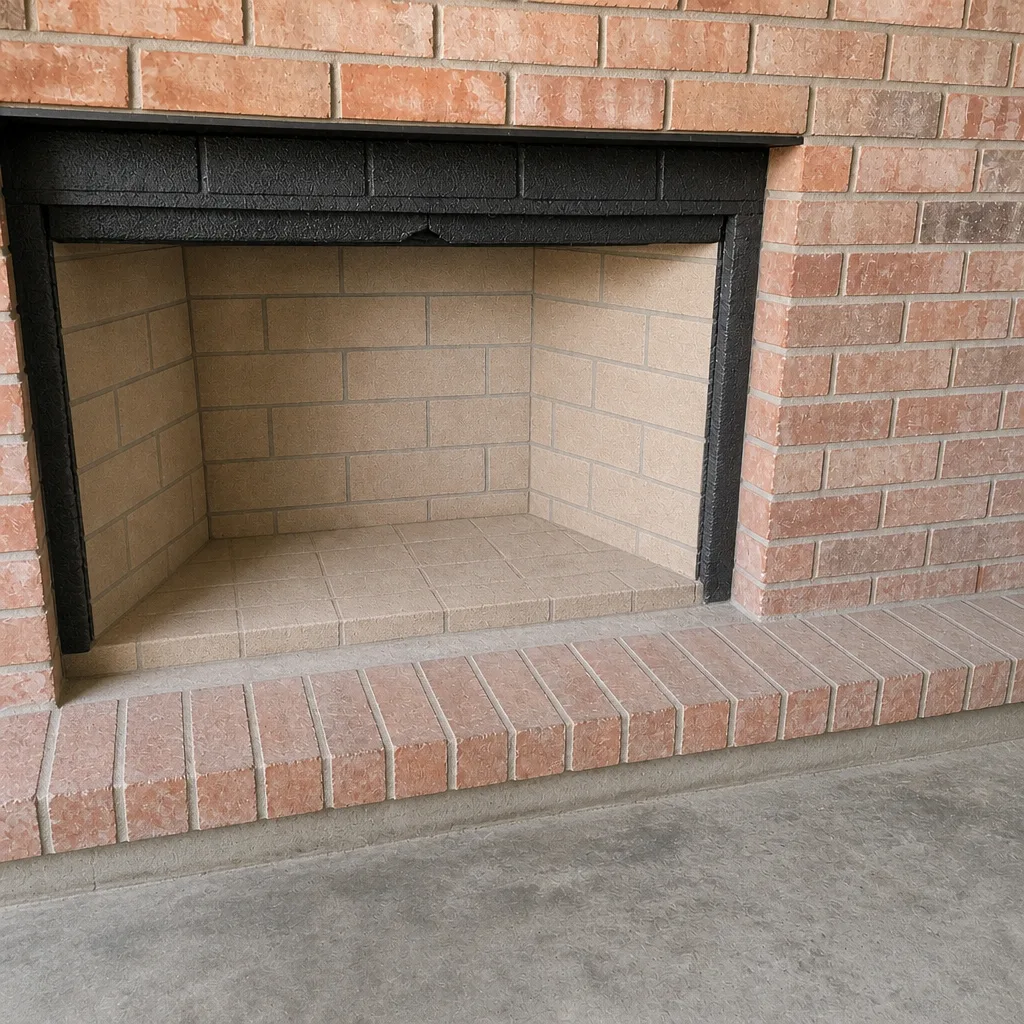
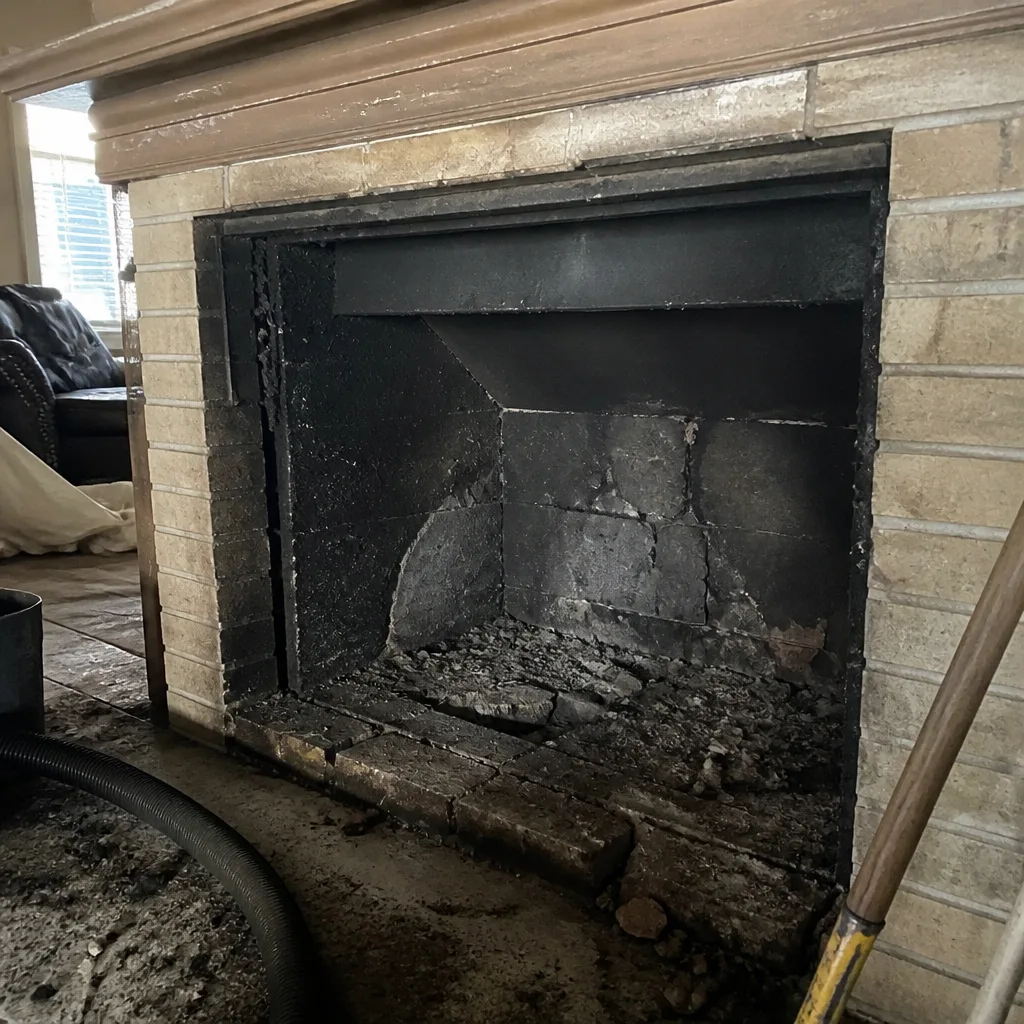
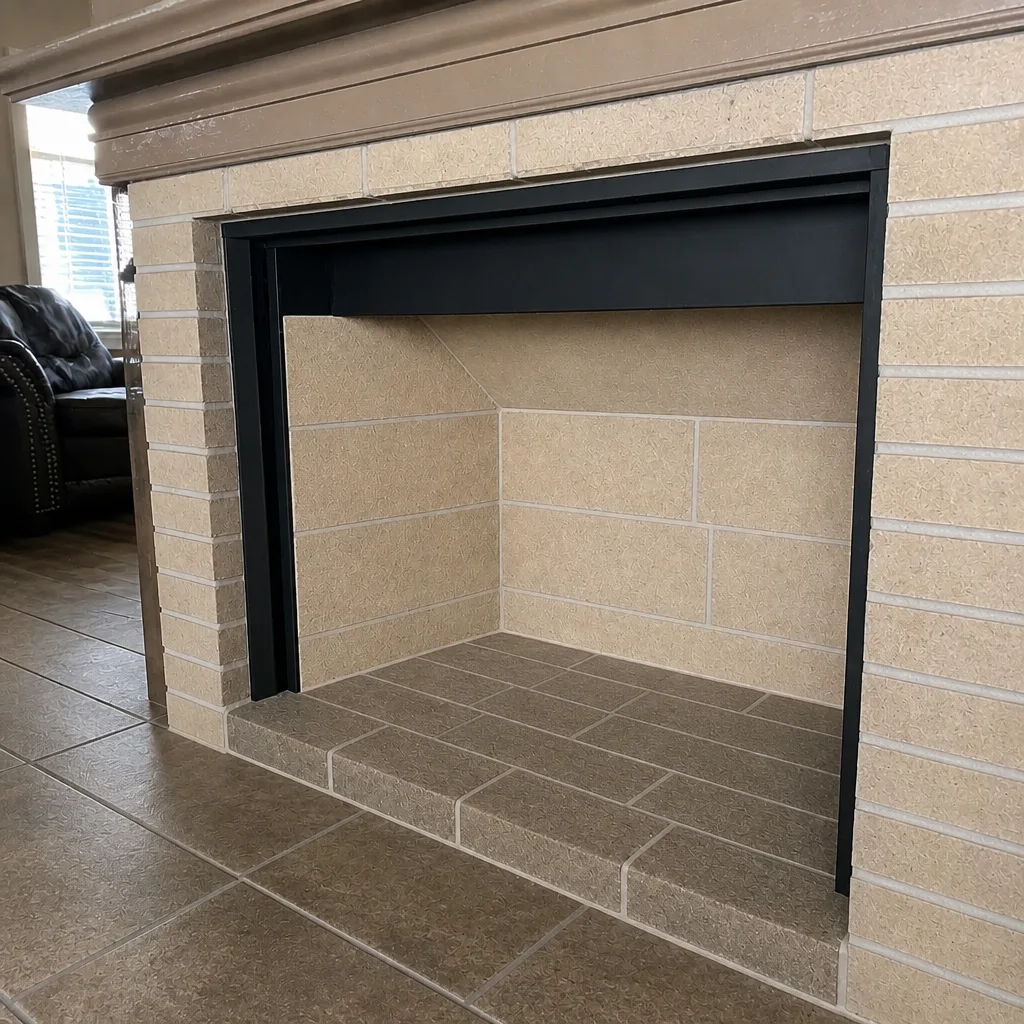
See the difference
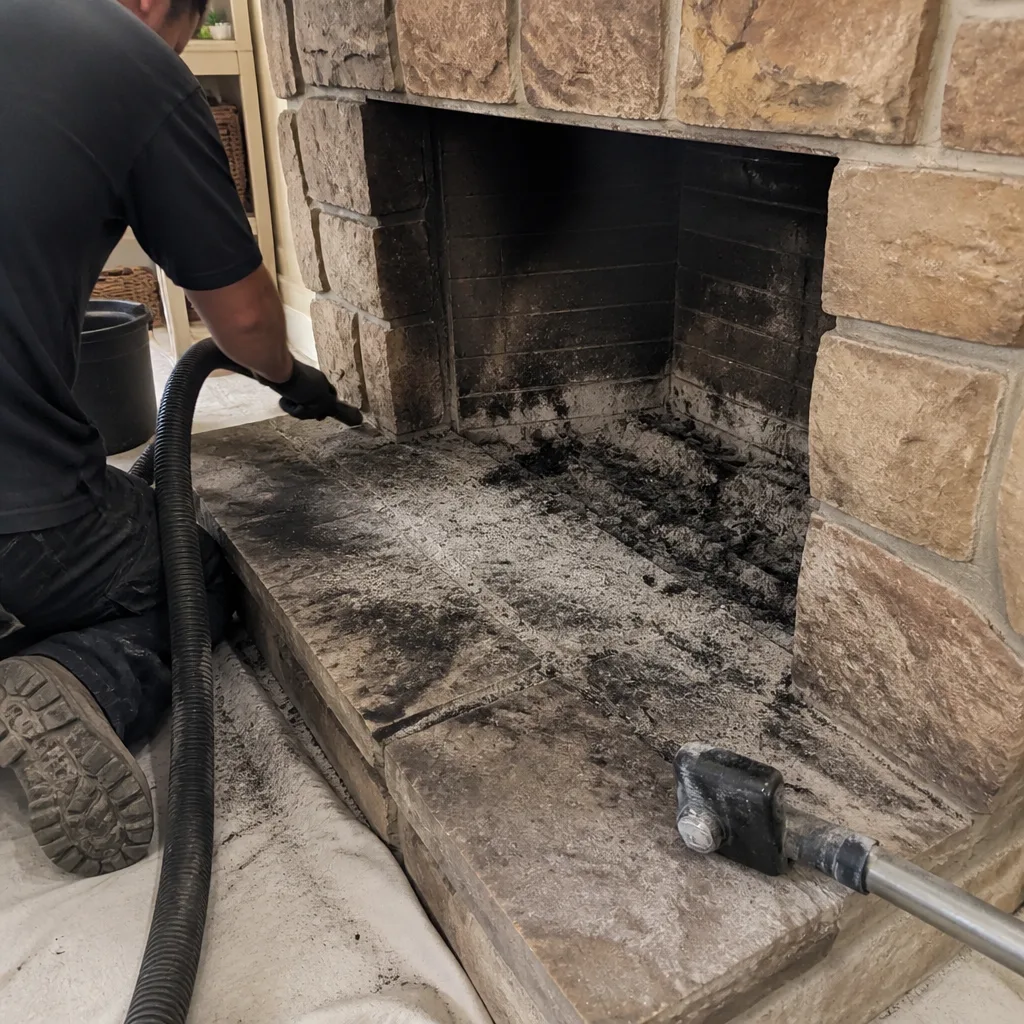 Before
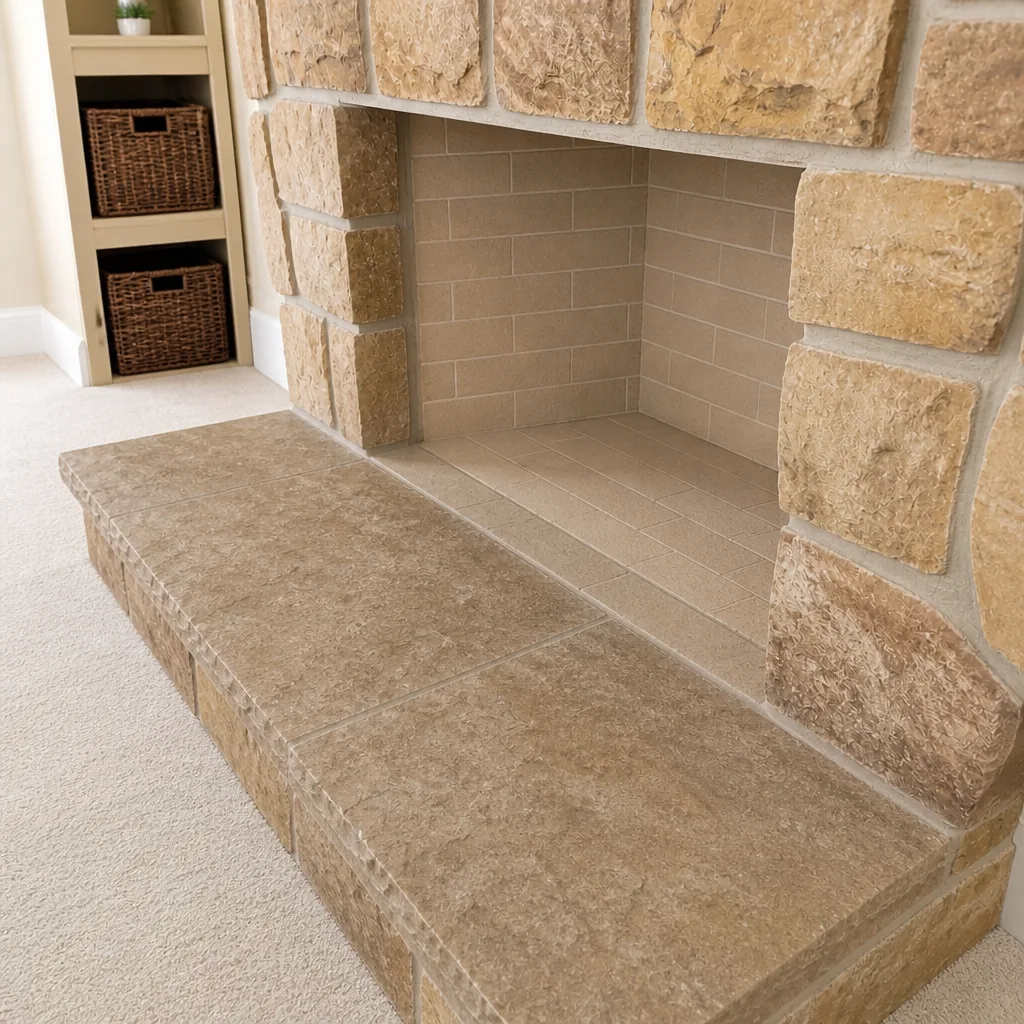 After
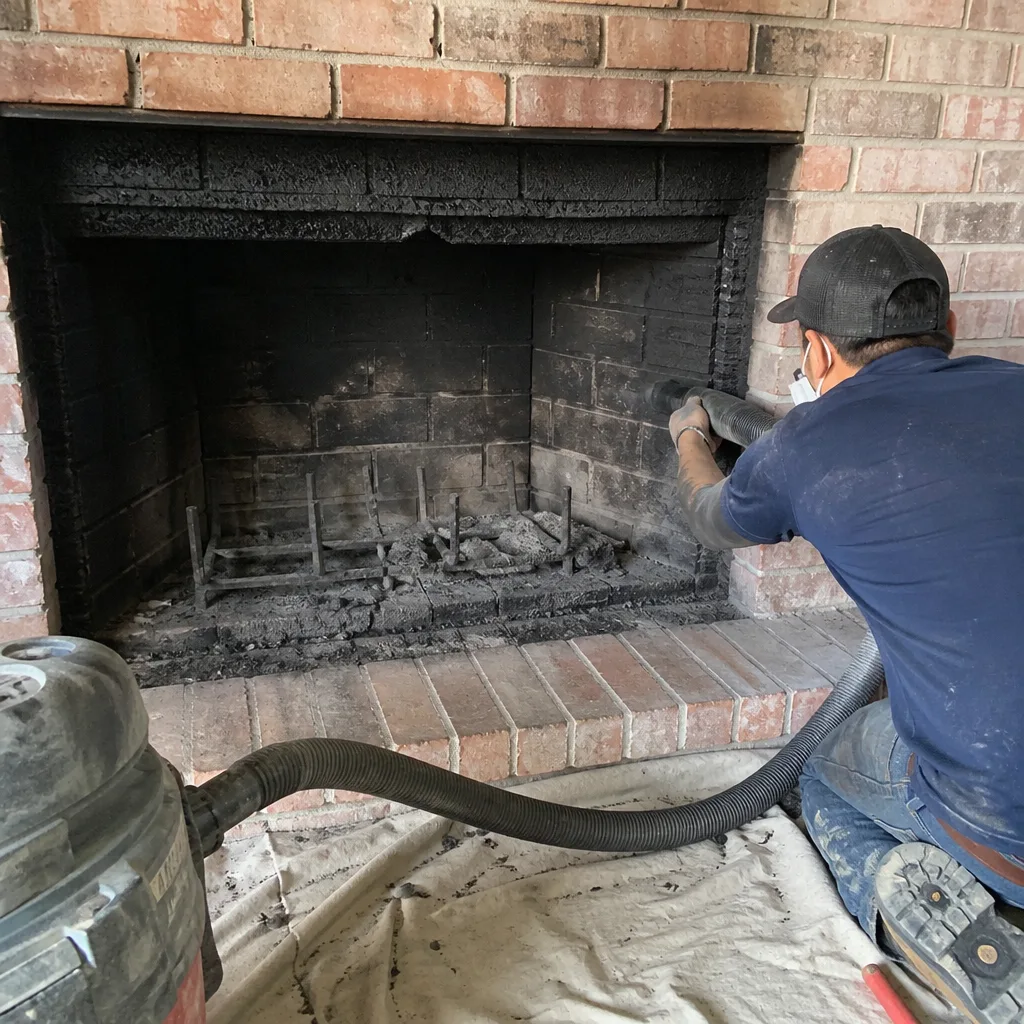 Before
 After
 Before
 After
When to Call a Professional
Some things are owner-side checks. Others genuinely need a trained professional, and it’s worth knowing the line. Call a professional if you’ve had a chimney fire, if the draft changes suddenly, if you see water stains in the firebox, if your cap looks damaged after a storm, if you smell smoke in the room while burning, or if you’ve burned a full season and haven’t had the flue looked at. Call before your first fire of the season if it’s been more than a year since the last sweep. And don’t put off an inspection because a problem “seems minor”; the whole point of an inspection is finding the things you can’t see from the living room. Pearland Chimney Cleaning offers free estimates in Pearland. Call (866) 361-9474. We answer 24/7. Fast dispatch from 7am to 7pm, Sunday through Friday.
Frequently Asked Questions
For a wood-burning fireplace used regularly, once a year at the fall visit is the right baseline. Our burn season is short, so many Pearland homeowners can go a full calendar year between sweeps, but the inspection should happen every year regardless of whether a sweep is due. The right frequency depends on how much you burn and what you burn. Call (866) 361-9474 for an exact quote. Estimates are free.
Only if there’s a specific reason for one: a real estate transaction, a past chimney fire, storm damage, a change in fuel or draft, or a long gap since any inspection. For a routine annual check, a Level 1 with a sweep is the honest recommendation. We don’t push a Level 2 on a routine visit, and we’ll tell you plainly when a Level 1 is enough. Call (866) 361-9474 to book the right one. Estimates are free.
Rates vary by the condition of the flue and whether an inspection is bundled in, so we set the price per job by written estimate after a look at the system. That’s the honest way to price it; a flat number quoted over the phone can be wrong in either direction. Call (866) 361-9474 for an exact quote. Estimates are free.
Often nothing visible; that’s the problem. Creosote can build up quietly, a cap can crack without obvious sign, and a draft issue can develop slowly. A skipped year mostly means you’re inspecting later with less information, and repairs found later cost more than repairs caught early. A single skipped year is usually recoverable. Call (866) 361-9474 to schedule the next one. Estimates are free.
Yes. The cleaning need is lower because gas produces far less residue, but the venting components, cap, and exterior are exposed to weather all year, and a gas system issue isn’t something a homeowner should be diagnosing alone. The annual inspection stays on the schedule even when the sweep doesn’t. For anything involving the venting or gas components, we recommend a trained professional. Call (866) 361-9474 to book it. Estimates are free.
Late September through early November is the best window, before the first fire and before the fall rush. Summer is the second-best time for non-urgent repairs, because the system is at rest and there’s no rush. Post-storm inspections are booked whenever the storm happens; those don’t wait for the calendar. Call (866) 361-9474 to get on the schedule. We answer 24/7. Fast dispatch from 7am to 7pm, Sunday through Friday.
The Bottom Line
The right chimney schedule for Pearland looks different from the generic one. Inspect in fall before you burn, not in spring after. Add post-storm inspections as a mandatory item, because that’s where our climate does its real damage. Know whether your fireplace is wood or gas, because the schedules diverge. And keep the owner-side log; it’s the cheapest diagnostic tool you have. For the professional side, our approach is simple: inspect first, recommend from evidence, and handle sweep, inspection, and repair under one roof so nothing falls between contractors. From the firebox to the crown, one call covers it. Call (866) 361-9474. We answer 24/7. Fast dispatch from 7am to 7pm, Sunday through Friday. We serve homeowners across Pearland and the surrounding area.
Explore our chimney sweep and chimney repair services, or read more about our work in Pearland. For the full picture of what we do, start with Pearland Chimney Cleaning.
Written by the team at Pearland Chimney Cleaning.