
Last updated November 15, 2026
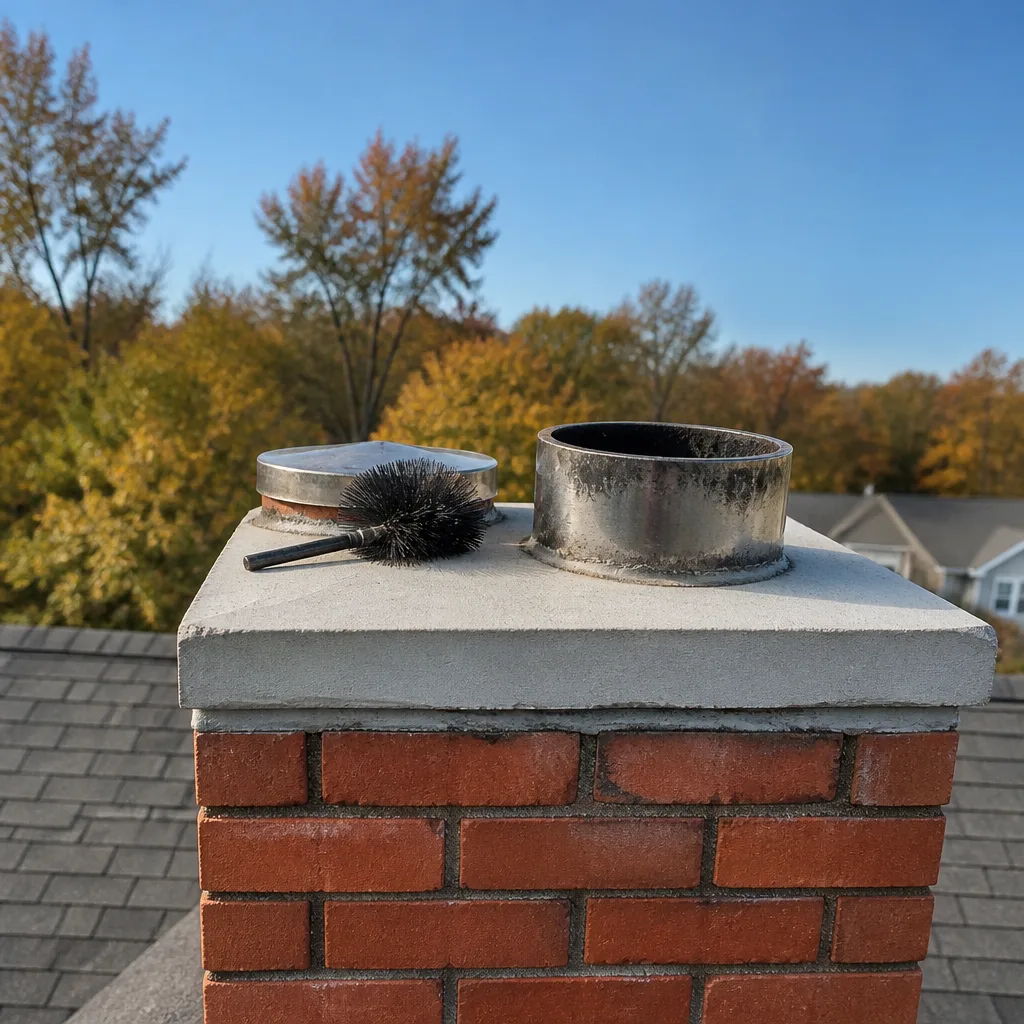 Sweep & inspection
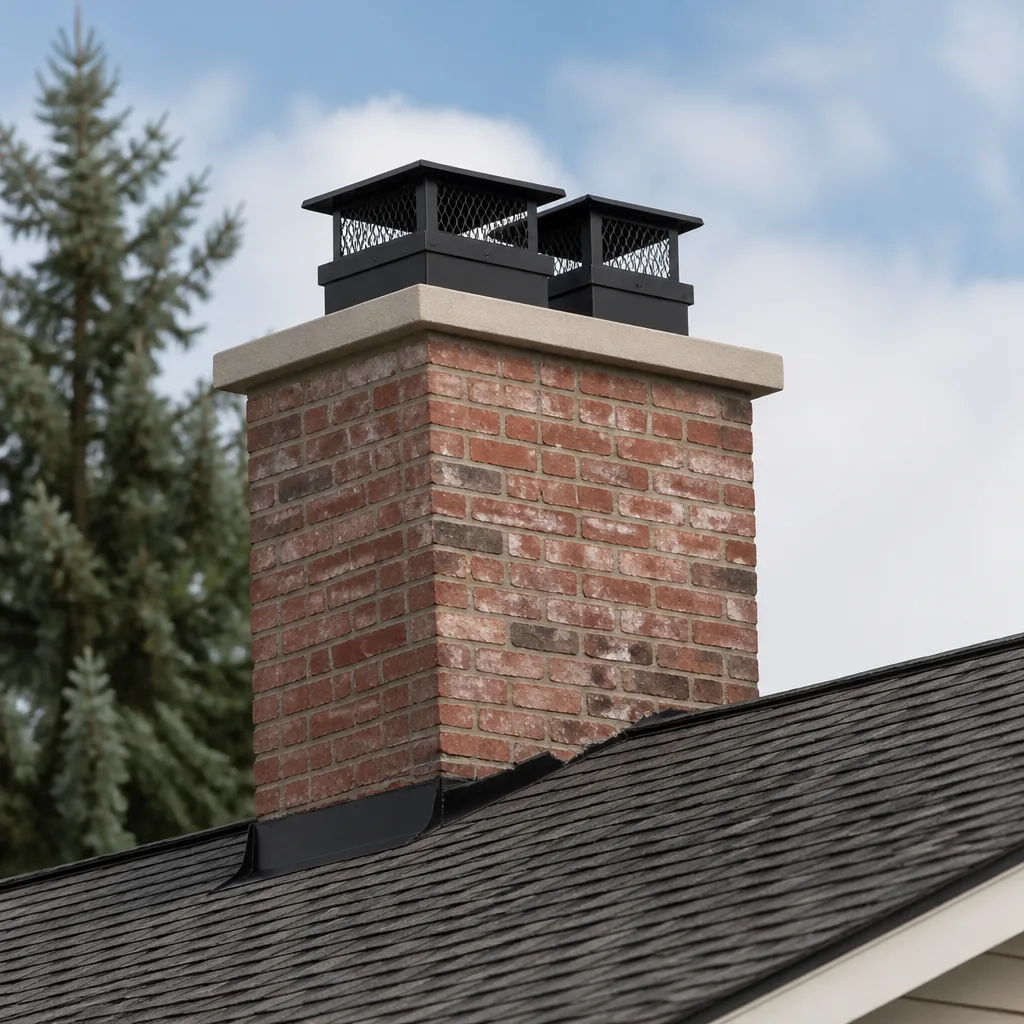 Caps & crowns
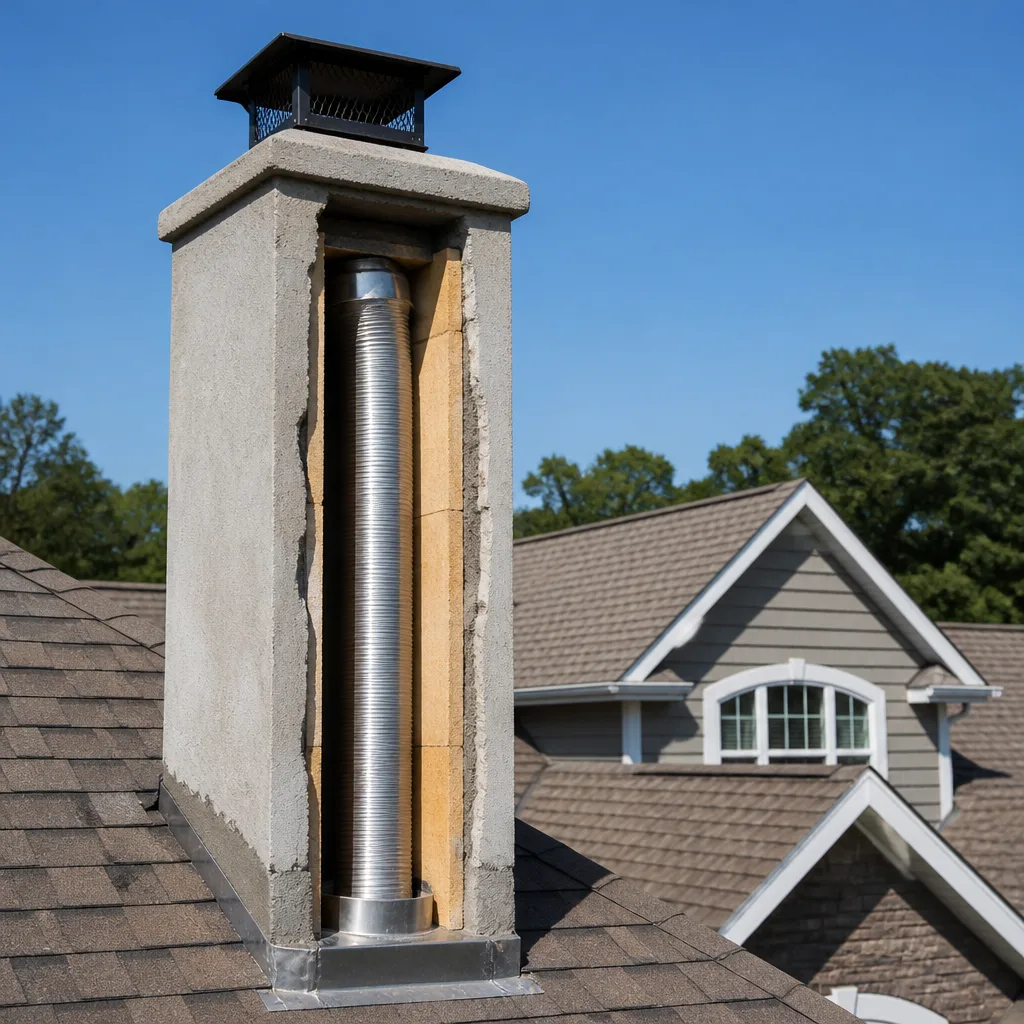 Flue relining
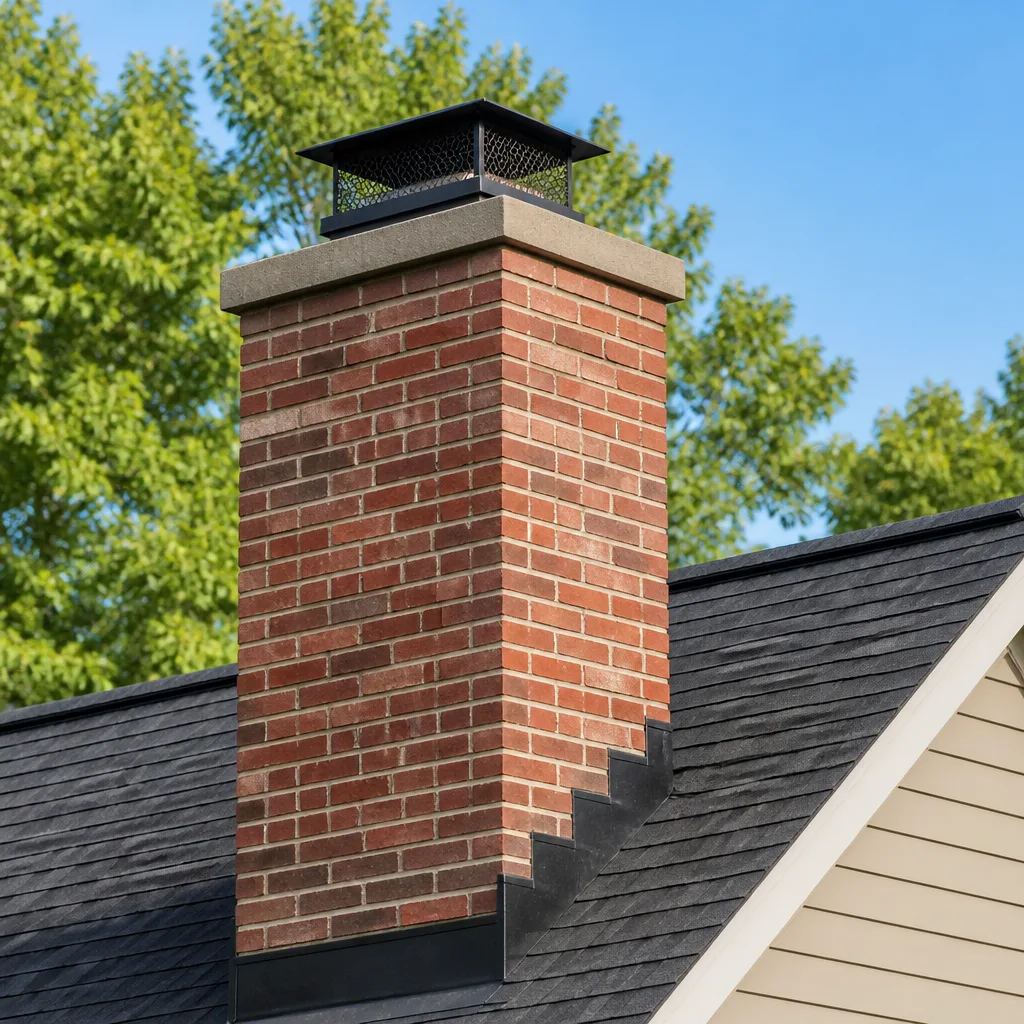 Masonry repair
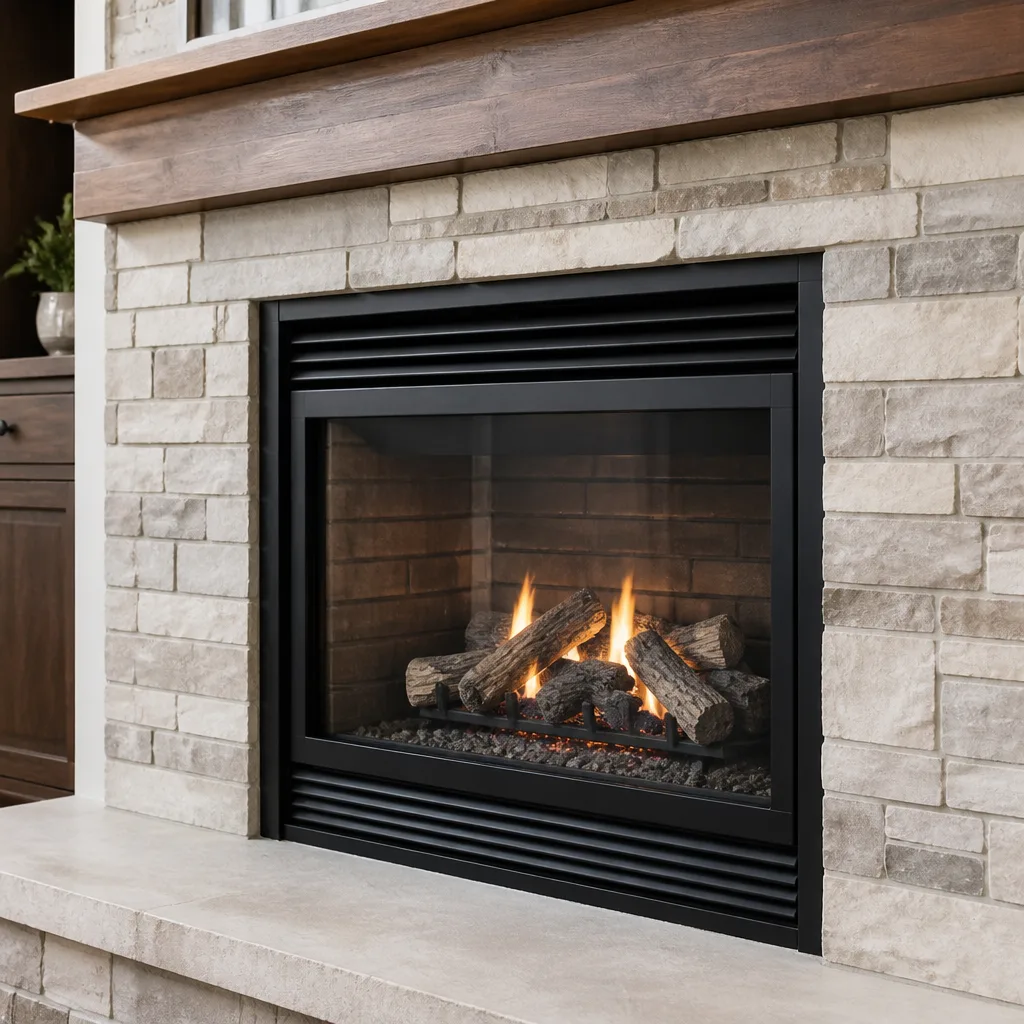 Gas fireplace service
Level 1 sweep and inspection to the NFPA 211 annual standard - flue, crown, cap, and flashing checked and photographed
Chimney sweep logs do not sweep chimneys. They loosen some creosote - which then falls where a brush and vacuum still have to collect it.
Chimney Cleaning Cost Breakdown: The Pearland Homeowner’s Reference for 2026
A $99 chimney cleaning quote and a $299 quote for the same home are rarely offering the same thing. The difference usually sits in what gets inspected, what gets documented, and what gets addressed before anyone leaves. A cheap sweep that skips the inspection can cost more by the second visit, because the cracked flue tile or the glazed creosote nobody wrote down is still there, quietly getting worse. In Pearland, where plenty of homes run a fireplace through the short cool season and then sit idle for months, that gap between quotes is worth understanding before you book. This guide breaks chimney cleaning pricing into its actual components so you can compare quotes line by line instead of guessing why one number is three times another.
Quick Answer
A standard chimney sweep in Pearland typically runs $150 to $350, and a Level 2 inspection (the camera-based one most real estate and insurance situations call for) usually adds $100 to $250. Minor repairs like a crown crack or a damper fix generally land between $150 and $600, while liner work is a separate conversation that starts higher. The written estimate you receive after an inspection sets the final price, and the estimate itself should be free.
Styles & brands we work with
- Sweep & inspection
- Caps & crowns
- Flue relining
- Masonry repair
- Gas fireplace service
Table of Contents
- Component-Level Pricing: Inspection, Sweep, and Repair Priced Separately
- What Legitimately Drives a Higher Quote
- Prefab Versus Masonry: Why the Same Scope Prices Differently
- The Real Cost of Deferred Cleaning
- What Documentation You Should Receive
- How to Read a Chimney Quote Line by Line
- The Three Inspection Levels and When Each Applies
Component-Level Pricing: Inspection, Sweep, and Repair Priced Separately
The fastest way to understand a chimney quote is to pull it apart. Most companies bundle a sweep and a basic inspection into one number, which is fine, but it hides the individual costs. When you know what each piece typically runs in the Pearland market, you can tell whether a quote is reasonable or padded.
Here’s how the components usually price out in 2026 for a Pearland home:
| Component | Typical Pearland Range | What It Covers |
|---|---|---|
| Level 1 inspection (visual) | $75 – $150 | Accessible portions of firebox, flue, and cap checked visually |
| Level 2 inspection (camera) | $175 – $400 | Video scan of the full flue interior, photo report included |
| Standard sweep | $150 – $350 | Creosote and soot removed from flue, firebox cleaned |
| Sweep plus Level 2 inspection (bundled) | $275 – $600 | The most common combined service for a well-used fireplace |
| Minor repair (crown crack, damper, cap) | $150 – $600 | Targeted fixes identified during inspection |
| Liner restoration | Quoted per job | Depends on flue length, damage extent, and liner type |
Bundling usually saves money compared to buying each piece separately, and that’s normal. What matters is that the bundle includes the inspection. A sweep without inspection is cleaning blindfolded. You’ll know the flue is cleaner, but not whether it’s safe.
For a fuller picture of what a standalone cleaning involves, our chimney sweep page walks through the process step by step. If the inspection turns up something structural, that moves into the repair column, which is priced differently and should always come with its own written estimate. For those jobs, see chimney repair.
Prefab and masonry chimneys are quoted on the same components, but the sweep time and repair materials differ, and that’s the next thing to understand. Knowing which system you have before you call makes every quote easier to read.
What Legitimately Drives a Higher Quote
Not every higher quote is an upsell. Some homes genuinely take more time, more equipment, or more care. Here are the legitimate cost drivers, so you can separate real variables from padding:
- Chimney height and roof access. A tall flue or a steep roof pitch takes longer to access safely, and that time shows up in the price. A single-story ranch with an easy roofline is a faster job than a two-story with a complicated cap.
- Flue configuration. An offset flue or a flue with a bend takes longer to sweep properly because the brush has to navigate turns. Straight flues sweep fastest.
- Degree of creosote buildup. Light soot is a quick sweep. Glazed, hardened creosote (the third-degree stage) is harder to remove, sometimes requires chemical treatment, and always takes longer.
- Liner type and condition. A sound liner is simple to clean. A damaged or unlined flue needs inspection-first diagnosis before anyone sweeps, because sweeping a compromised liner can dislodge material.
- Appliance type. A wood stove or insert usually takes more careful work than an open fireplace, and a pellet appliance is different again.
What isn’t a legitimate driver: vague “premium” language, a much higher price for the same visual result with no inspection attached, or a quote that climbs after the work starts without a written change. That last one is the most common complaint we hear from Pearland homeowners. The written estimate should be set after the inspection, not adjusted upward mid-job.
In our experience, the honest variable is creosote stage. Everything else is roughly predictable. If a company can’t tell you which stage your creosote is in and what that means for the price, they haven’t looked closely enough.
Prefab Versus Masonry: Why the Same Scope Prices Differently
Two Pearland homes can need the same “clean and inspect” service and get quotes hundreds of dollars apart, and the system type is often why. Prefab and masonry chimneys are built differently, and that changes both cleaning time and repair options.
A masonry chimney is built from brick and mortar with a clay tile liner. Sweeping is straightforward, but repairs involve mortar, crown work, and possibly tile. A prefab (factory-built) chimney is a metal system with a stainless liner and a listed venting assembly. Sweeping is usually faster, but repairs are often about replacing components rather than rebuilding masonry, and the parts have to match the system. That’s where professional-grade parts matter. We work with brands like DuraFlex, Olympia Chimney, and Famco so a prefab repair uses components that fit the assembly, not a hardware-store substitute that may not be rated for the application.
The practical difference for pricing:
- A masonry chimney with a cracked crown is a small masonry job, priced by the crown repair.
- A prefab chimney with a damaged liner section is a component replacement, priced by the part plus labor.
- A masonry chimney that needs relining is often the bigger line item, because the scope is larger.
- A prefab system that needs a new liner may be priced differently again, because the assembly is designed for a specific liner type.
This is where liner restoration comes in. Rather than jumping straight to full replacement, HeatShield restoration can sometimes seal and resurface a damaged liner from the inside, which is often less invasive and less expensive than a full reline. Not every liner qualifies, and that’s a decision made after inspection, not before. Our team at Pearland Chimney Cleaning uses HeatShield and Gelco materials because they’re made for professional restoration work, not retail patching.
If you’re not sure which system you have, a Level 2 inspection tells you. That’s the most useful $200-ish you’ll spend before any repair conversation.
The Real Cost of Deferred Cleaning
Skipping one season of cleaning is easy to justify when the fireplace still draws and nothing looks wrong. The problem is that creosote doesn’t announce itself. It builds in layers, and the longer it sits, the harder and more expensive it gets to deal with.
Here’s what deferral usually costs in practical terms:
- Skipping one season. Creosote moves from light soot to a thicker, harder layer. The sweep itself takes longer and may cost more because of the stage. A stage-one creosote removal is quick. A stage-two layer takes more brush time and careful handling.
- Skipping two seasons or more. Creosote can glaze and harden to the point where standard brushing won’t remove it. That pushes the job into chemical treatment or, in worse cases, into liner assessment because the buildup has stressed the flue. This is where a routine $200 sweep can turn into a liner conversation that starts in the thousands.
- The hidden repair. A small crown crack or a loose cap lets water in. Left alone through a couple of mild, wet Pearland winters, that moisture works into masonry and mortar. The repair that would have been a few hundred dollars becomes a much larger masonry job.
The math is simple: a sweep every year is a fixed, predictable cost. A deferred cleaning is a variable cost that you don’t control, because you find out what’s wrong only after the flue is opened up.
In our experience, the homeowners who call after two or three skipped seasons are usually the ones facing the bigger quotes, and it’s rarely because anything dramatic happened. It’s just accumulation over time. Regular cleaning is the cheapest line item in chimney ownership, and it’s the one that protects every other line item.
If you’re not sure how long it’s been, that’s a good reason to book an inspection before the next burn season. Call (866) 361-9474 for a free estimate and we’ll tell you honestly what stage you’re in.
What Documentation You Should Receive
What you get on paper matters as much as what gets cleaned. Documentation is how you hold a contractor accountable, how you compare future quotes, and how you prove the condition of your chimney if you ever sell the house or file an insurance claim.
After a proper sweep and inspection, you should receive:
- A written inspection report. This states the condition of the firebox, damper, flue, liner, crown, cap, and any accessible exterior components, with the inspection level noted.
- Photos or video of the flue interior. A camera inspection should produce still images or a video clip showing the flue lining. This is the evidence behind any recommendation. If a company recommends liner work without showing you the inside of the flue, ask why.
- A written estimate for any recommended repair. Itemized, with the scope and the price, not a verbal range. The written estimate sets the final price.
- A record of the service date and what was done. Useful for your own file and for future inspections, because it establishes a maintenance history.
This documentation is what lets you compare quotes fairly. Two companies quoting a liner job look very different when one has a camera report showing a specific defect and the other has a verbal opinion. The one with evidence is the one you can evaluate.
For real estate transactions, insurance documentation, and annual safety compliance, a Level 2 inspection report is usually what’s needed, because it shows the full flue interior rather than just the accessible portions. If you’re buying or selling a home in Pearland, having that report before closing saves arguments later.
At Pearland Chimney Cleaning, every inspection comes with a camera scan and photo report, and nothing is recommended without evidence you can see for yourself. That’s the standard we hold to, and it’s the standard you should expect from anyone you hire.
How to Read a Chimney Quote Line by Line
A chimney quote should read like a short, clear list, not a paragraph of vague language. Here’s how to parse one quickly:
- Find the inspection level. Is it Level 1 (visual) or Level 2 (camera)? The price difference tells you a lot, and the level should match the reason for the visit.
- Check whether the sweep and inspection are separate or bundled. Bundled is normal and usually cheaper. Separate is fine too, as long as the inspection is actually included.
- Look for itemized repairs. Each repair should have its own line, scope, and price. A single “miscellaneous repairs” line is a red flag.
- Confirm the estimate is written. Verbal estimates drift. The written estimate is the one that sets the final price.
- Ask what happens if the inspection finds something. A good answer is “we show you the photos and give you a written estimate before any repair.” A bad answer is “we’ll just take care of it.”
One more thing worth knowing: a quote that seems too low often excludes the inspection entirely, or includes only a brief visual check. That’s the $99-versus-$299 gap in a nutshell. The cheap quote isn’t necessarily dishonest, it’s just a smaller scope. The question is whether that smaller scope is enough for your situation. For a lightly used fireplace with a clean history, a visual check may be fine. For a heavily used wood stove or a home you just bought in Pearland, you want the camera.
Our team offers both, priced separately or bundled, so you can choose the scope that fits. The important thing is that you know what you’re choosing.
The Three Inspection Levels and When Each Applies
Chimney inspections are standardized into three levels, and matching the level to the situation is how you avoid both overpaying and under-inspecting.
- Level 1 (visual). Covers the readily accessible portions of the chimney: firebox, damper, flue from the top, and visible exterior parts. It’s the right choice for a routine annual check on a fireplace with no known problems and no changes since the last inspection. It’s the least expensive level.
- Level 2 (camera). Adds a video scan of the entire flue interior and is the standard for real estate transactions, after a chimney fire, after any change to the system, or when you’ve moved into a home and don’t know its history. This is the level most Pearland buyers and sellers need, and it’s the one that produces the photo report you can use as documentation.
- Level 3 (specialized). Involves opening up parts of the chimney structure when a Level 2 reveals a hidden problem that needs direct access to diagnose. It’s rarely the first step and usually follows a specific finding.
Most homeowners need Level 1 or Level 2. The Level 3 conversation should only come up after a camera inspection has shown something specific. If a company jumps straight to Level 3 pricing without a Level 2 first, ask questions.
For a Pearland home you’ve lived in for years with regular maintenance, Level 1 plus a sweep is usually enough. For a home you just bought, or one that’s had a chimney fire, or one where the liner type is unknown, Level 2 is the sensible starting point. Getting the level right is the single biggest factor in whether your chimney bill is reasonable. Our Pearland Chimney Cleaning team can help you figure out which level your situation calls for.
Common Mistakes to Avoid
- Comparing quotes without checking whether inspection is included. A sweep-only quote and a sweep-plus-inspection quote are different products. Compare them on scope first, price second.
- Accepting a repair recommendation with no evidence. If a company recommends liner work, ask to see the camera images. In a Pearland home, a liner recommendation should always come with photos of the defect.
- Letting a low quote climb mid-job. The written estimate should be set after the inspection. A price that changes once work begins, without a written revision, is a warning sign.
- Skipping the inspection because the sweep “looked fine.” A clean flue and a safe flue aren’t the same thing. The inspection is what checks the liner, crown, and joints.
- Assuming all liner repairs mean full replacement. In some cases, HeatShield restoration can address the problem without a full reline, and a company that only offers replacement may be selling the bigger job by default.
- Ignoring the documentation afterward. The inspection report and photos are your maintenance record. Keep them, because they make the next quote easier and faster to evaluate.
- Using a generalist for a chimney-specific problem. Chimneys need specific parts and specific knowledge. Professional-grade components from a brand like Copperfield are made for the application; a hardware-store substitute may not be rated for it.
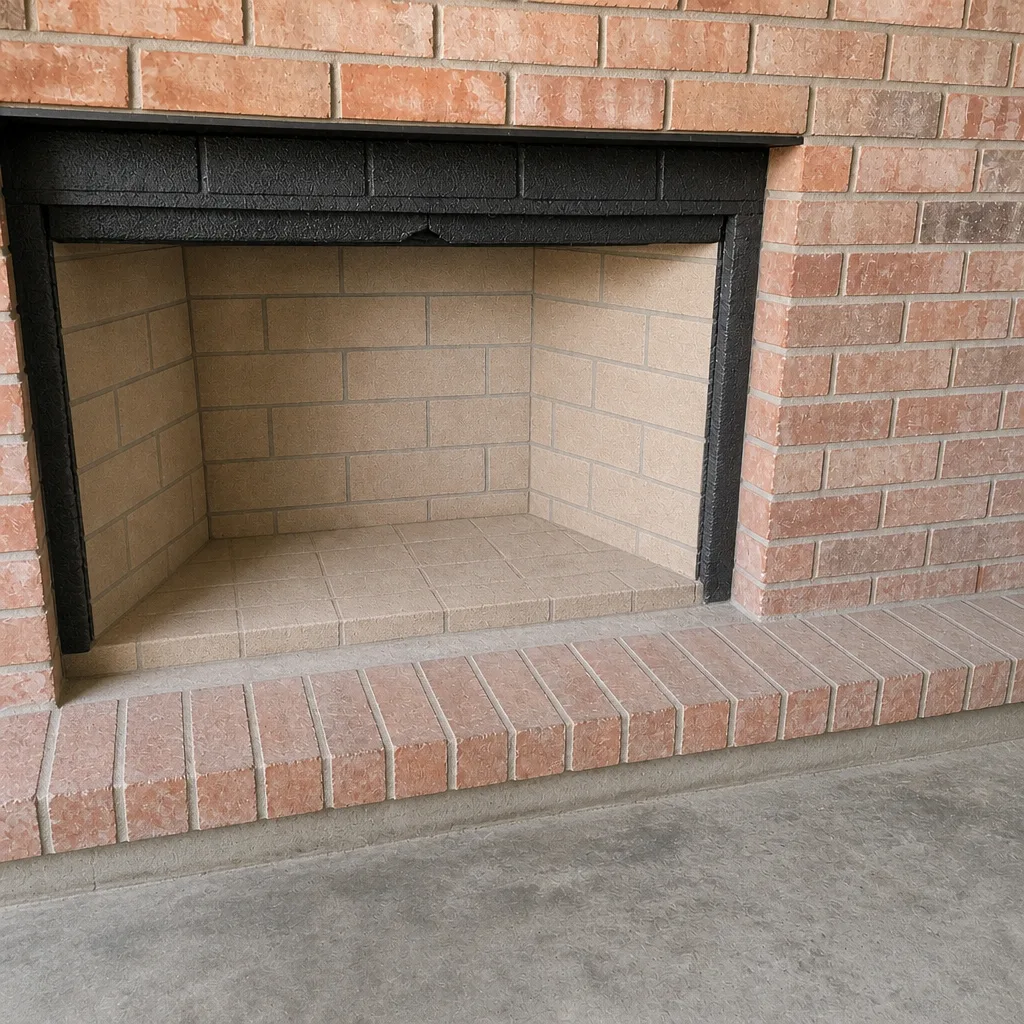
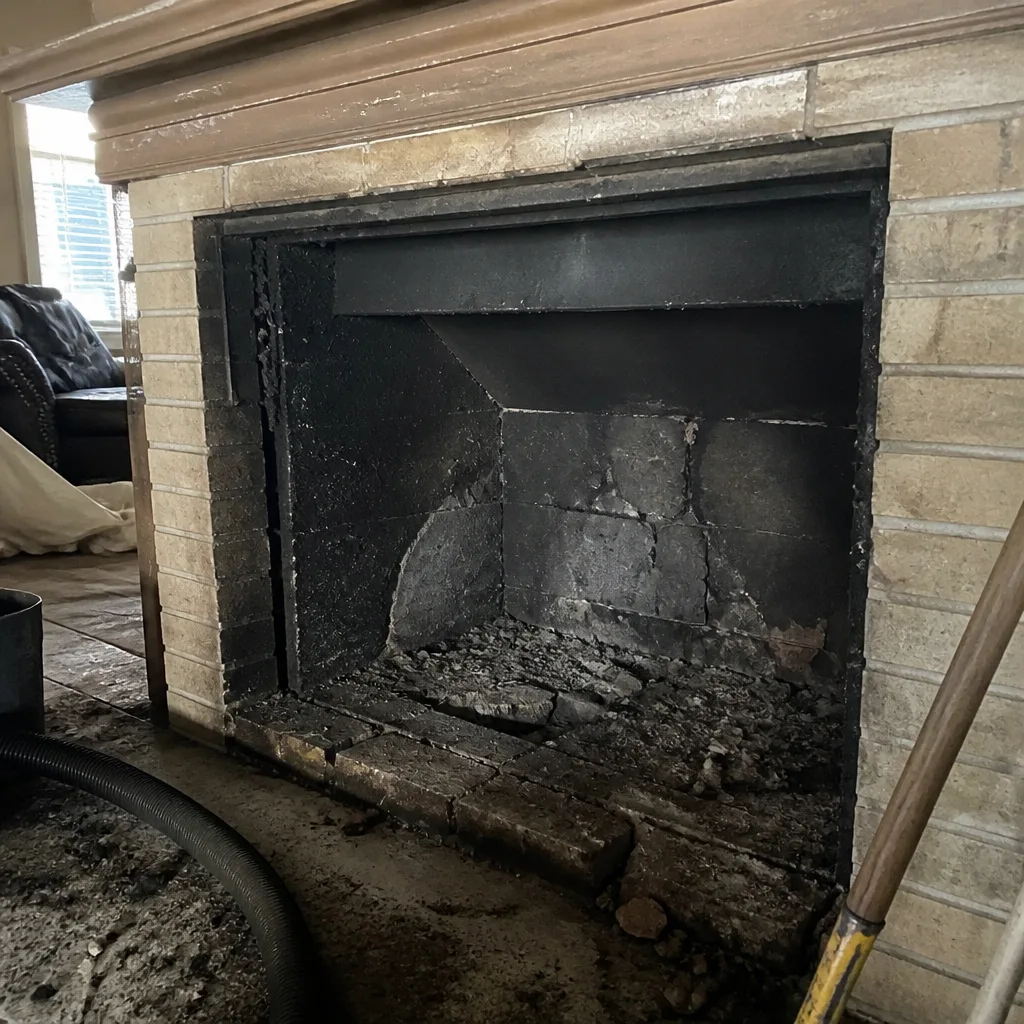
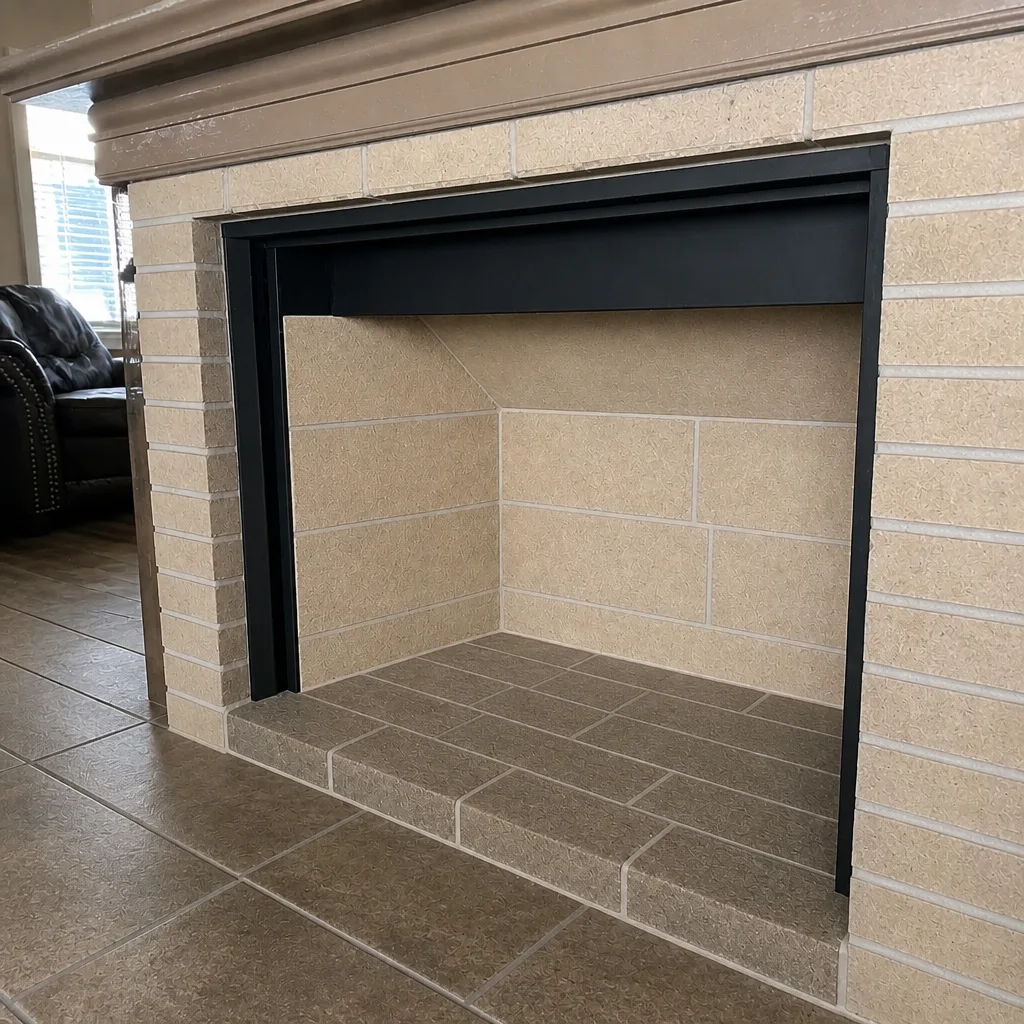
See the difference
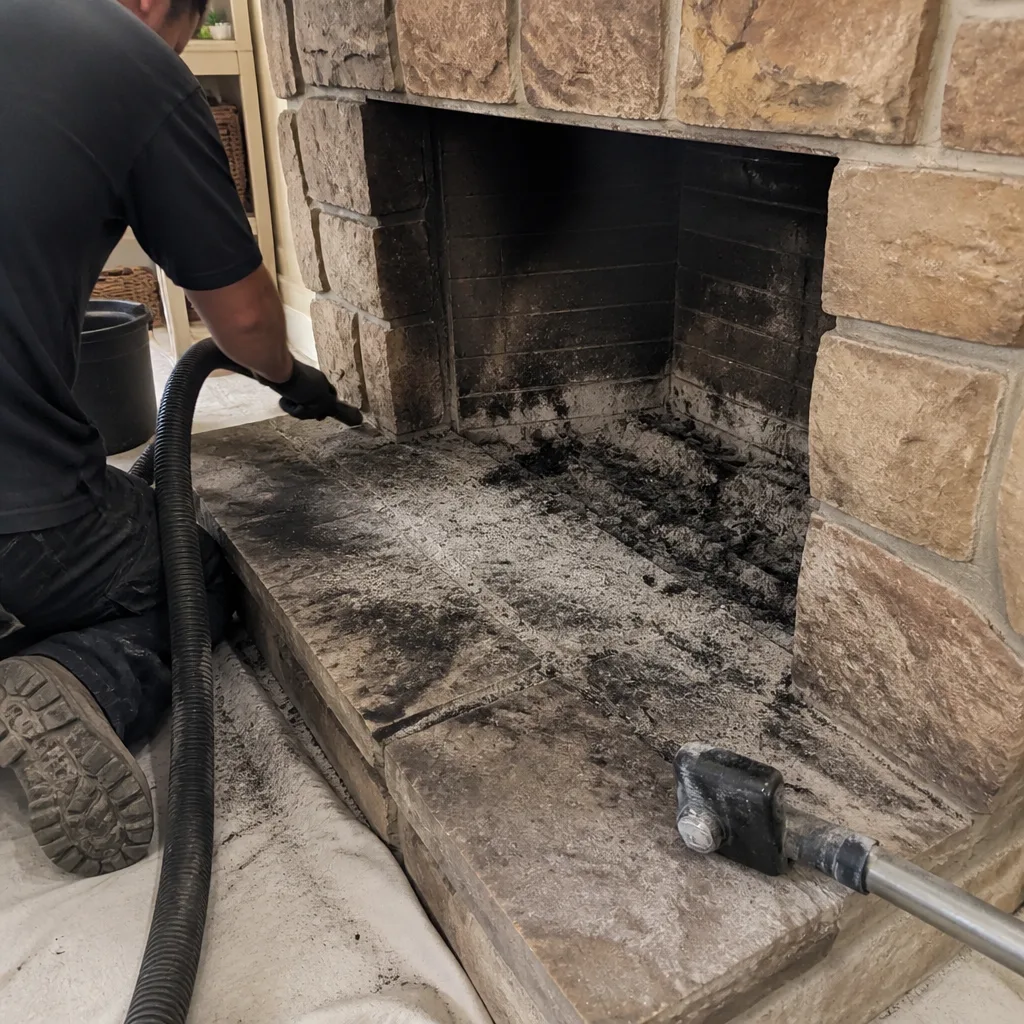 Before
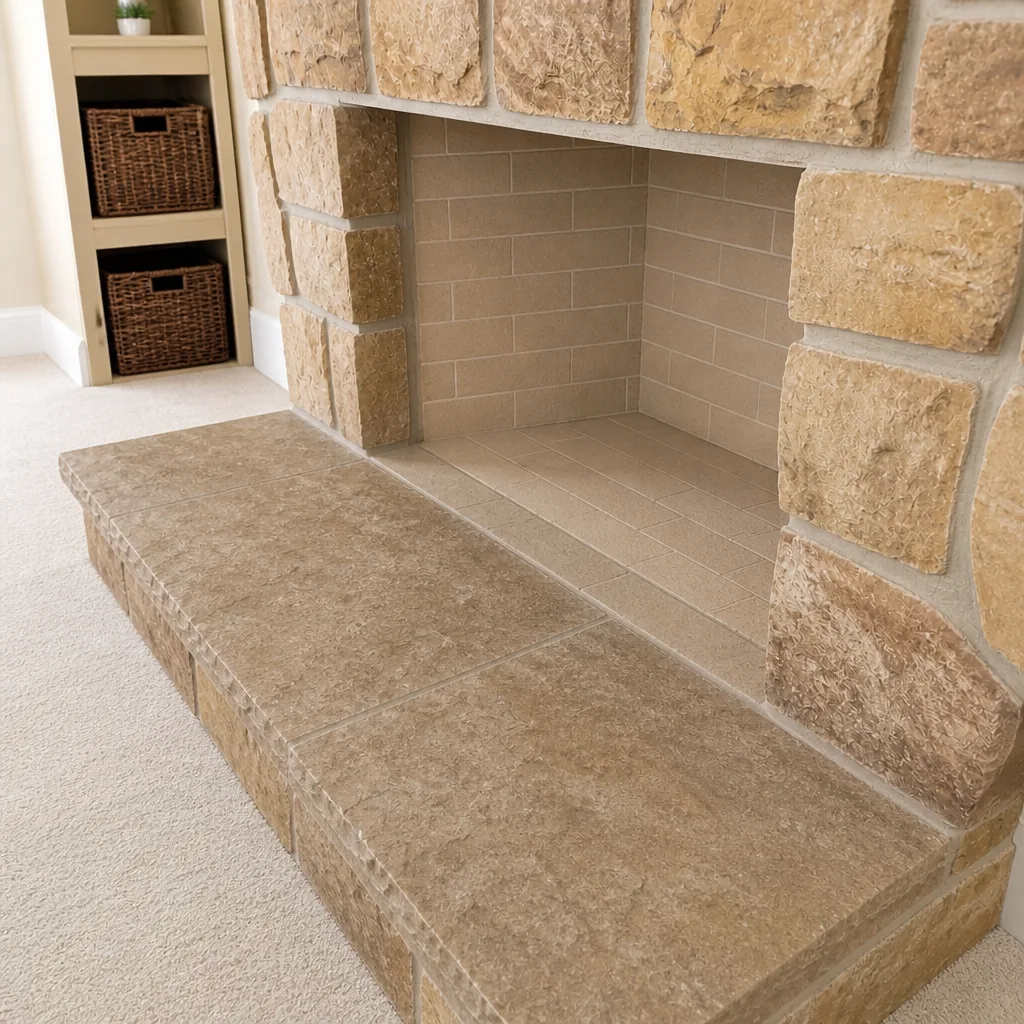 After
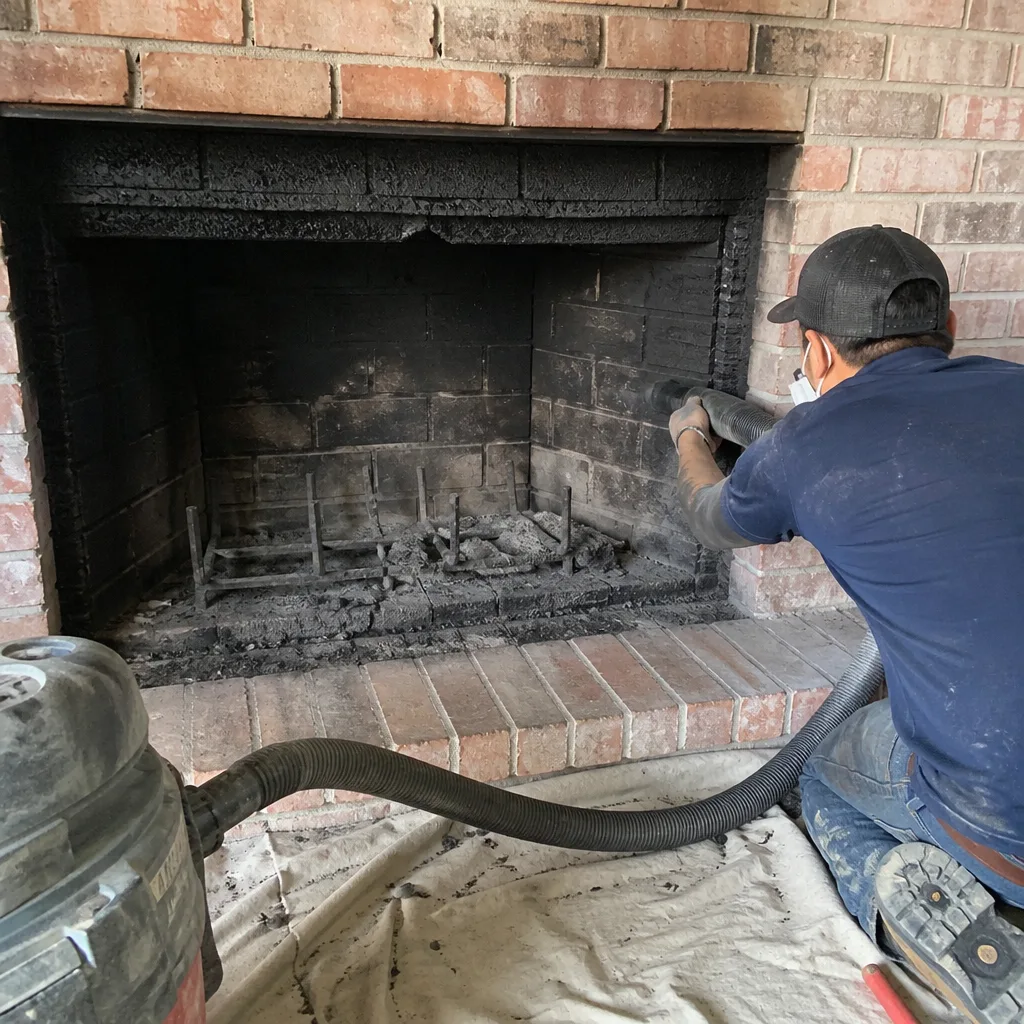 Before
 After
 Before
 After
When to Call a Professional
Some situations are clearly a job for a trained chimney technician, not a general handyman and not a do-it-yourself project. If you smell creosote or smoke inside the home when the fireplace isn’t in use, that’s a sign to call before you burn again. If the damper doesn’t open or close smoothly, if the firebox shows cracked or deteriorated material, or if you’ve had a chimney fire, even a small one, those are all inspection-first situations. Buying or selling a home in Pearland is another clear trigger, because a Level 2 inspection is what buyers and insurers usually want to see. And if it’s simply been more than a season since your last cleaning, that’s reason enough. The flue interior is a dangerous place to work, and a camera scan tells you what brushing alone cannot. Pearland Chimney Cleaning offers free estimates in Pearland. Call (866) 361-9474. We answer 24/7. Fast dispatch from 7am to 7pm, Sunday through Friday.
Frequently Asked Questions
A standard chimney sweep in Pearland typically costs $150 to $350, and a sweep bundled with a camera inspection usually lands between $275 and $600. The written estimate sets the final price, and the estimate itself is free. Call (866) 361-9474 for an exact quote, and we’ll tell you which scope fits your flue.
Not always. A liner recommendation should come with camera evidence of a specific defect, not a general opinion, and in some cases restoration can address the problem without full replacement. Ask to see the photos before you agree to anything. If a company can’t show you the inside of the flue, get a second inspection. Call (866) 361-9474 and we’ll walk you through what the images actually show.
A chimney used regularly should be swept once a year, and a fireplace used only occasionally still benefits from an annual inspection to catch problems early. The right interval depends on how much you burn and what you burn. If you’re not sure when yours was last cleaned, book an inspection before the next burn season. Call (866) 361-9474 for a free estimate.
Creosote builds in layers, so skipping a season means a harder, thicker layer the next time around, and skipping two or more can turn a routine sweep into a liner assessment. Small defects also go unnoticed and worsen over time. The cost of deferral is always higher than the cost of a sweep. Call (866) 361-9474 and we’ll tell you honestly where you stand.
A Level 2 camera inspection is what most buyers and insurers expect in a real estate transaction, because it documents the full flue interior rather than just the accessible parts. It’s not always a legal requirement, but it’s the report that prevents arguments at closing. Call (866) 361-9474 to schedule one before your transaction.
A cheaper quote often excludes the inspection, which means you’re paying less for a smaller scope, not for the same job at a better price. The savings usually disappear by the second visit, when the uninspected problem shows up. Compare quotes on scope first, then price. Call (866) 361-9474 and we’ll help you read the difference.
The Bottom Line
Chimney cleaning pricing in Pearland makes sense once you pull it apart. A sweep is one component, the inspection is another, and repairs are quoted on their own. A quote is fair when the scope is clear and the estimate is written. It’s worth questioning when the inspection is missing, the price moves mid-job, or a repair recommendation comes without camera evidence. Document everything you’re given, because those photos and reports are what let you compare future quotes and hold any contractor accountable. The cheapest chimney bill is the one you understand before you agree to it. From the firebox to the crown, we inspect first, then recommend, and we identify it and fix it under one roof. To get started in Pearland, call (866) 361-9474 for a free estimate. We answer 24/7. Fast dispatch from 7am to 7pm, Sunday through Friday. Our technicians have up to 15 years of experience.
Written by the team at Pearland Chimney Cleaning.